

By Aaron Miller-
The global chess community is currently gripped by profound shock and sorrow following the sudden death of American Grandmaster Daniel Naroditsky this week at the age of 29.
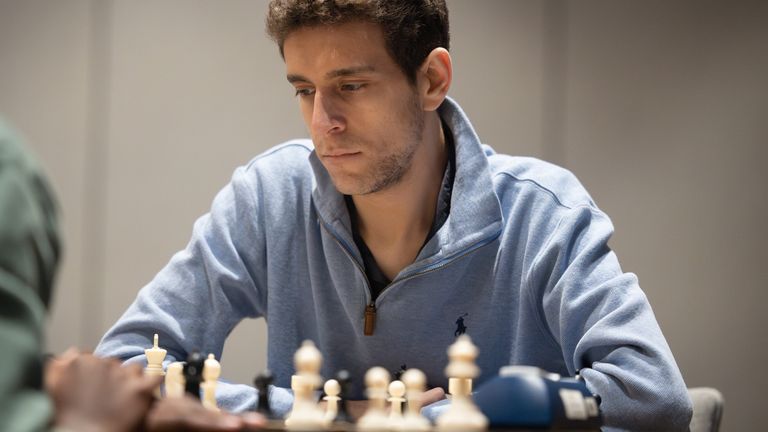
The cause of Naroditsky’s death has not been publicly disclosed. Pic: AP
Found deceased at his North Carolina home, the cause of his passing has not been publicly disclosed. Attention has rapidly turned toward the intense online conflict that shadowed his final year: a bitter feud with former World Chess Champion Vladimir Kramnik. Naroditsky’s supporters are now claiming he was “bullied relentlessly online” by Kramnik, and the seriousness of the situation has prompted the international chess federation (FIDE) to intervene.

AD: Capeesh Restaurant
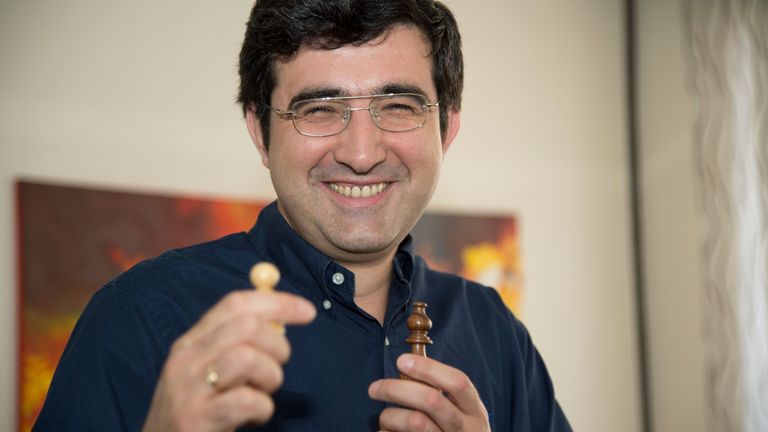
Vladimir Kramnik. Pic: AP
FIDE is now referring Kramnik’s documented public statements and behaviour to its Ethics and Disciplinary Commission for urgent consideration. This unprecedented action signals an attempt to address the toxic atmosphere of cheating accusations that plagued the game’s highest levels.
Russian player Kramnik, who routinely posted online about his younger rival, had relentlessly called for an official investigation into Naroditsky’s highly successful online play. He frequently appeared to threaten legal action against the American grandmaster. This sustained campaign of public scrutiny contributed directly to the tragic Naroditsky Death Chess Feud.
The dispute was sparked last year when Kramnik first voiced “concerns” about the integrity of Naroditsky’s online matches, suspicions the American consistently and fiercely denied.

AD: Oysterian Sea Food Restaurant And Bar
Vladimir Kramnik, the 50-year-old retired champion, has accused numerous world-class players of cheating in high-stakes online games. His focus, however, narrowed sharply on Daniel Naroditsky, leading to a long-running and emotionally draining rivalry between the two elite players. Detailing the devastating personal toll of the sustained attacks, Naroditsky characterized Kramnik’s efforts in an October 2024 interview as “a sustained, evil and absolutely unhinged attempt to destroy my life.”
The intensity of this conflict, which played out publicly across social media and streaming platforms, brought the issue of online harassment to the forefront of chess governance. Accusations of cheating carry immense weight within the professional chess world, directly threatening a player’s reputation and livelihood.
Responding to the rising tide of condemnation, Kramnik has strongly denied any wrongdoing, claiming he himself has been unfairly bullied by members of the chess community, even receiving death threats. “I have not bullied Daniel Naroditsky, nor ever made personal insults towards him,” Kramnik told Reuters, defensively challenging the widespread public perception of his conduct.
He questioned the basis for the formal referral, asking which public statement made after Naroditsky’s death was deemed incorrect. Yet, the consensus among many prominent grandmasters and commentators directly contradicts Kramnik’s claims.
Many inside the professional circuit believe the former champion must be held accountable for his actions. The unrelenting hostility that defined the Naroditsky Death Chess Feud now requires the highest level of investigation by FIDE’s ethics body.
The international governing body for chess did not hesitate to act following the tragic news. FIDE President Arkady Dvorkovich confirmed the immediate and formal referral. Dvorkovich stated that he, alongside the FIDE management board, would formally refer all relevant public statements made by Grandmaster Vladimir Kramnik—including those made both before and after the tragic death—to the Ethics and Disciplinary Commission for independent consideration.
This clear stance by FIDE signals an overdue reckoning with the standards of conduct expected from elite players, particularly those who leverage their status to attack others. Such a move is rare, emphasizing the seriousness with which FIDE is treating the fallout from the toxic Naroditsky Death Chess Feud.
Public reaction from top players was swift and overwhelmingly critical of Kramnik’s behavior toward his rival. Former World Champion Magnus Carlsen publicly described Kramnik’s treatment of Naroditsky as “horrible,” signaling the condemnation of the game’s highest authority. Indian grandmaster Nihal Sarin went further, demanding that the retired player “needs to pay for what he’s doing.” Such widespread condemnation from within the tightly knit professional community underscores the severity of the alleged bullying and harassment.
Naroditsky, a former world youth champion, was one of America’s most recognizable chess figures, known for his ability to educate followers through engaging livestreams on Twitch and YouTube. He even published a book on the game at just 14 years old, demonstrating his extraordinary talent.
During his final Twitch broadcast last weekend, in a now-deleted video, Naroditsky appeared visibly distressed, openly referring to the crushing toll the controversy had taken on him. The official investigation into the toxic Naroditsky Death Chess Feud will certainly establish a precedent for how FIDE handles online conduct and bullying moving forward.

AD: Heritage And Restaurant Lounge Bar
