
By Ben Kerrigan-
A senior Russian military officer has died after an explosive device detonated beneath his vehicle in Moscow on Monday morning, officials reported, raising urgent questions about security in Russia’s capital and the broader implications for the ongoing Russia-Ukraine conflict.

AD: Capeesh Restaurant
Russian investigators said the improvised explosive device was placed under Sarvarov’s car, and authorities have opened a criminal case into the incident.
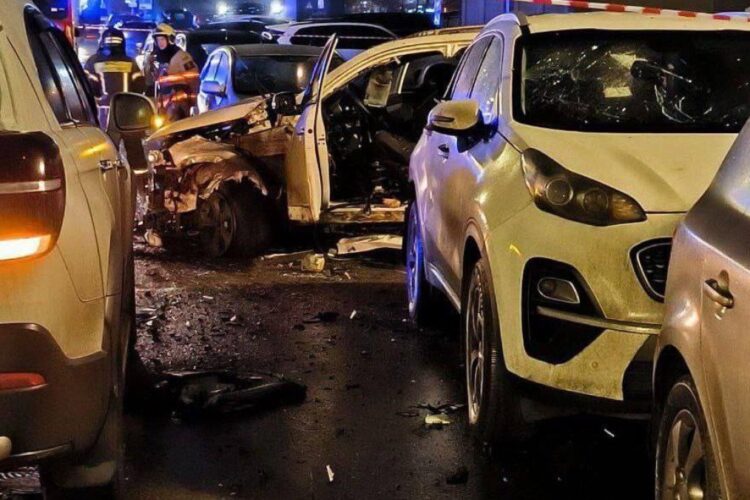
The explosion came shortly before the start of the working day, injuring at least one other individual and causing visible destruction to the vehicle. Video and photographic footage released by investigative authorities showed the wreckage and the immediate aftermath.
Law enforcement officials are exploring multiple lines of inquiry, including whether foreign intelligence was involved in the attack, though no conclusion has yet been reached and Ukraine has not commented publicly.

AD: Oysterian Sea Food Restaurant And Bar
This incident marks a stark moment in a series of high-profile attacks on senior Russian officers both inside and outside the country’s borders, heightening tensions in a conflict that has now stretched into its fourth year and drawing fresh scrutiny on domestic security challenges facing Russia’s leadership.
According to statements from the Investigative Committee of the Russian Federation, Sarvarov was exiting a parking space when the device hidden under his Kia Sorento detonated, fatally wounding him. Investigators are treating the explosion as a deliberate act and are pursuing a criminal investigation into the circumstances surrounding the attack.
Officials have said forensic teams are examining the scene to determine the exact nature of the explosive and how it was triggered.
Authorities confirmed that Sarvarov suffered fatal injuries at the scene and was later pronounced dead by emergency responders. The crime scene, located on a street in the capital’s southern residential district, was secured by law enforcement, and several neighbouring vehicles showed signs of damage from the blast.
Sarvarov, aged in his mid-50s, had a long career in the Russian military. As head of the Operational Training Directorate of the General Staff, he held responsibility for aspects of strategic readiness and training across the armed forces, a role that placed him close to Russia’s military planning apparatus.
His death represents a significant loss for the military hierarchy and underscores vulnerabilities in what Moscow has traditionally regarded as a highly secure environment.
Officials have not publicly disclosed any suspects or identified a motive, but state media and government spokespeople have alluded to the possibility of foreign intelligence involvement. One senior investigative source referenced in Russian outlets noted that the device may have been remotely detonated and placed under the vehicle in a pre-meditated operation.
Such suggestions, however, remain unverified, and investigators caution that all potential leads must be explored before official conclusions are drawn.
Monday’s blast evoked memories of earlier targeted attacks on senior military figures that have occurred in recent years. While the Kremlin has in the past linked such incidents to intelligence operations related to the Russia-Ukraine conflict, no definitive responsibility for those events was ever officially confirmed by independent or international authorities.
The killing of Sarvarov comes at a time of heightened tension in the protracted conflict between Russia and Ukraine, where incidents beyond the frontlines continue to reverberate politically and militarily.
If investigators determine that state or non-state actors were behind the explosion, the ramifications could significantly strain diplomatic and intelligence relations and prompt renewed rhetoric in an already embittered geopolitical climate.
Domestic reactions to the explosion have been swift. Russian state media outlets described the death of a high-ranking officer in the heart of Moscow as a “brazen act,” with some commentators arguing that it reflects deeper security challenges within the nation.
Internationally, analysts say the blast highlights the multifaceted risks that surround top military officials engaged in prolonged conflict. Outside experts note that assassinations or targeted killings of senior officers whether overseas or inside a capital city can have destabilising effects on morale, command cohesion, and strategic planning.
They also say that even unverified allegations of foreign involvement can be used domestically to justify tighter security measures or to rally public opinion.
The broader pattern of attacks on Russian military leadership over the past two years has contributed to an atmosphere of suspicion and heightened alert within Russia’s security establishment.
Foreign policymakers and defence strategists watching the latest incident say that Moscow’s response could shape the next phase of both internal security policy and military operations.
If the attack is formally attributed to foreign sabotage or covert action, it could fuel nationalist sentiment and be used to justify a more aggressive posture in both domestic and international arenas.
Observers also caution that if the internal security situation is seen as deteriorating, it could prompt changes in how Russia protects key personnel and infrastructure. The optics of a senior officer being killed in the nation’s capital could spur broader defensive reviews and tighten restrictions on movements of high-ranking officials.
Importantly, until investigators release conclusive findings, speculation about motives and responsibility should be treated with caution. Early reports emphasise that inquiries are at an initial stage, and evidence must be carefully analysed before attributing blame.
Investigative authorities have pledged transparency in the probe, but the pace of the investigation and the degree to which findings are shared publicly remain uncertain.
In a conflict narrative that has so far been fashioned by developments on the battlefield and diplomatic deadlocks, Lieutenant General Fanil Sarvarov’s death in the Moscow explosion represents a dramatic event. Governments, security analysts, and military observers worldwide will keep a careful eye on the investigation’s progress as well as any potential political ramifications.
This most recent high-profile attack may have a lasting impact on military policy and how future attacks against important figures are predicted and managed as Russia continues to face internal and global challenges.
Authorities attempt to find the truth behind one of the most shocking incidents to hit Moscow in recent memory, public expectations for accountability and answers are rising.

AD: Heritage And Restaurant Lounge Bar