
By Ben Kerrigan-
Senior diplomats from Southeast Asia gathered in Malaysia on Monday in an effort to stem a sudden and deadly escalation in fighting between Thailand and Cambodia that has displaced hundreds of thousands of civilians and claimed dozens of lives over the past fortnight.
The special meeting under the banner of the Association of Southeast Asian Nations (ASEAN) aimed to revive fragile ceasefires and forge a diplomatic path forward, even as hostilities continued along the disputed border.

AD: Capeesh Restaurant
The flare-up, which reignited in early December along an 817-kilometre stretch of jungle and rural frontier, has been among the most severe bouts of violence between the neighbouring countries in decades.
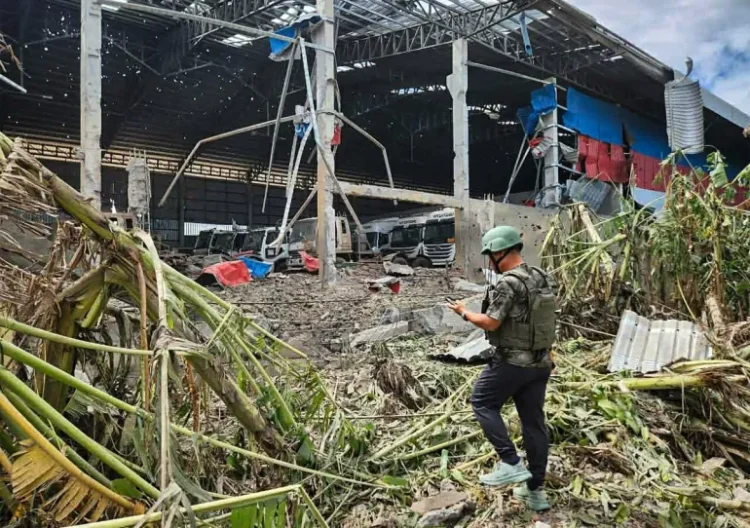
Local authorities in both Bangkok and Phnom Penh report artillery exchanges, rocket fire, and airstrikes in contested areas, despite repeated appeals by the international community for restraint. Civilians have borne the brunt of the fighting, with entire communities forced to flee their homes and seek shelter away from the frontlines.
In response, ASEAN foreign ministers convened in Kuala Lumpur, Malaysia’s capital, to chart ways to de-escalate the conflict and prevent further loss of life. Malaysia, the current chair of ASEAN, hosted the talks with the objective of encouraging both sides to uphold previously brokered peace agreements, strengthen regional cooperation, and negotiate in good faith.

AD: Oysterian Sea Food Restaurant And Bar
Thai and Cambodian diplomatic representatives attended the special meeting, marking the first face-to-face engagement between the two governments since fighting resumed earlier this month.
Diplomacy Amid Renewed Clashes
The border tensions between Thailand and Cambodia revolve around long-standing territorial disputes rooted in colonial maps, historical claims, and competing interpretations of sovereignty.
Although intermittent skirmishes have sporadically occurred over the years, recent fighting has been unusually intense, leading to substantial casualties and displacement on both sides of the border.
The ASEAN meeting in Kuala Lumpur came against the backdrop of renewed clashes that erupted just hours before negotiations were set to begin, threatening to undermine diplomatic efforts.
Malaysia’s prime minister and ASEAN chair, Anwar Ibrahim, underscored the urgency of ending combat and called on both nations to engage constructively in talks. He emphasised dialogue, mutual respect, and adherence to ASEAN principles as crucial foundations for peace and stability in the region.
Malaysia’s foreign ministry highlighted that the meeting would not only focus on restoring a ceasefire but also consider broader steps ASEAN could take to help de-escalate the crisis and ease humanitarian suffering.
An ASEAN delegation supported by satellite monitoring data provided by the United States laid out information to help ministers assess conditions on the ground. This collaborative effort demonstrates an increased willingness among regional partners to combine technical resources with diplomacy in confronting complex security challenges.
Despite the renewed diplomatic push, fault lines remain deep. Thailand and Cambodia have accused one another of violating past ceasefires, including allegations of deploying landmines, using heavy artillery in civilian areas, and failing to withdraw forces from contested zones.
Each side’s narrative reflects entrenched mistrust and competing strategic interests that have complicated efforts to implement lasting agreements.
The present ASEAN meeting sought not only to reaffirm previous ceasefire accords but also to open space for both countries to articulate conditions that might pave the way for a more durable peace. Thailand’s foreign ministry expressed a commitment to engaging positively, while Cambodian officials reiterated their interest in using peaceful means to settle differences.
The conflict has heightened attention on ASEAN’s role in mediating disputes among its member states and the ability of the bloc to balance sovereignty concerns with collective responsibility for regional security.
The Human Cost and Wider Implications
Beyond diplomatic corridors and ministerial statements, the human toll of border clashes has become increasingly tangible. The violence has forced more than half a million people from their homes, creating a substantial humanitarian challenge that requires coordinated aid and protection efforts.
Shelters have filled with families escaping artillery barrages, and local authorities in both Thailand and Cambodia are grappling with the logistics of providing food, shelter, and medical care to displaced populations.
The economic impact has been significant as well. Border closures have disrupted trade routes that are critical to local economies on both sides of the frontier. Small businesses that depend on cross-border traffic have faced financial strain, and agricultural communities that rely on access to markets in neighbouring regions have suffered losses.
Aid organisations and regional partners are now preparing to respond to the immediate humanitarian needs while assessing longer-term recovery requirements.
International actors have also taken an interest in the unfolding crisis. The United States has called for both sides to end hostilities and implement ceasefire measures, while China, Japan, and other regional partners have expressed support for peaceful resolution through dialogue and restraint.
These external voices emphasise the importance of ASEAN unity and collective action in resolving disputes that could otherwise escalate beyond bilateral dimensions.
Past efforts at conflict resolution demonstrate that negotiation and mediation can yield temporary respites in fighting. Earlier in 2025, ASEAN-facilitated talks led to ceasefire agreements that paused hostilities and established frameworks for engagement.
Malaysian mediation, alongside support from international partners, played a key role in those accords. However, the failure to sustain them highlights the fragility of peace in contexts where underlying issues remain unresolved.
Amid the current talks, ASEAN foreign ministers reiterated statements made in previous gatherings that called for maximum restraint, respect for international law, and a swift return to peaceful dialogue.
The ASEAN Charter and the Treaty of Amity and Cooperation in Southeast Asia provide normative bases for diplomatic engagement, emphasising peaceful dispute settlement and mutual support among member states.
The Kuala Lumpur meeting will not immediately end the fighting, but regional diplomats hope it will help create conditions for future ceasefires and confidence-building measures.
The challenge now lies in translating declarations and expressions of goodwill into concrete actions that address the root causes of the dispute. Continued exchanges of fire, if unaddressed, risk eroding trust and deepening animosities that could make peace even harder to attain.
ASEAN’s intervention underscores the bloc’s evolving role in regional security, beyond its traditional focus on economic cooperation and integration. Member states increasingly recognise that sustainable development and prosperity cannot be separated from peace and stability.
The ability of ASEAN to navigate internal tensions and bring conflicting parties toward compromise will be tested in the weeks and months ahead.
For now, the ministers’ meeting represents a concerted effort by Southeast Asian nations to confront a crisis that threatens not just bilateral relations but the cohesion and credibility of the regional bloc itself.
While no definitive solution emerged from the Kuala Lumpur talks this week, the emphasis on dialogue, shared commitment to peace, and regional cooperation offers a glimmer of hope that diplomacy can eventually overcome the spectre of renewed conflict.

AD: Heritage And Restaurant Lounge Bar