
By Sammy Jones-
An important land deal has been finalised between a major NHS trust and a local council that could reshape the future of healthcare and community infrastructure in the region.
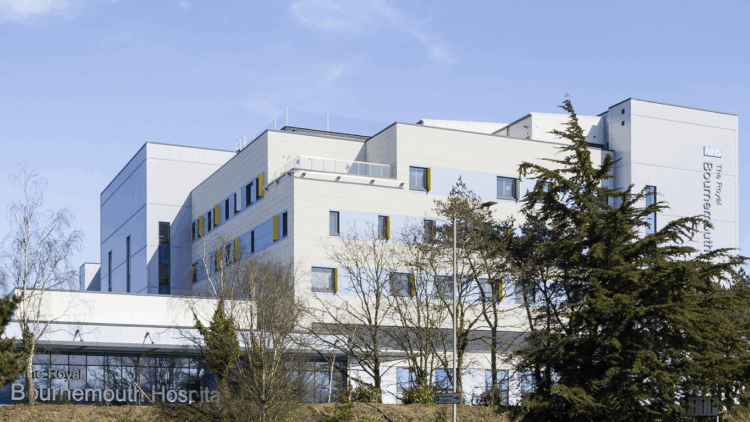
University Hospitals Dorset NHS Foundation Trust has acquired several hectares of land adjoining Royal Bournemouth Hospital from Bournemouth, Christchurch and Poole (BCP) Council in a transaction officials say will support both immediate operational needs and longer-term strategic plans.

AD: Capeesh Restaurant
The move reflects broader trends in the NHS estate strategy as healthcare providers seek to optimise their facilities, enhance services, and respond to pressures from rising patient demand, workforce shortages, and the need to modernise ageing infrastructure.
Negotiations between the trust and council began with extensive council deliberations in 2024, eventually culminating in the approval of the land disposal by a substantial majority of councillors.
The council agreed to sell the Wessex Fields site on a freehold basis to the NHS trust, explicitly recognising the trust’s intention to use the land for medical, health technology, research developments, and housing for key workers.

AD: Oysterian Sea Food Restaurant And Bar
A Strategic Boost for Hospital Capacity and Services
In immediate terms, the newly acquired land will be used to expand parking capacity at Royal Bournemouth Hospital a practical measure aimed at alleviating chronic parking shortages that have long affected patients, staff, and visitors.
Hospital officials say these additional spaces will support smoother operations and reduce congestion for those accessing emergency and outpatient services.
Beyond short-term operational improvements, the Trust has outlined ambitious plans to explore additional uses for the land. This includes feasibility work scheduled for 2026 to assess the potential for a geothermal energy system that could supply low-carbon heat to hospital buildings, aligning with sustainability goals and efforts to reduce long-term energy costs.
The Trust has also identified the site as a potential location for homes for key NHS workers, alongside educational and research facilities. Such components are designed to foster stronger links between clinical practice, academic research, and workforce development, creating a more integrated and future-ready healthcare campus.
The Chief Executive of University Hospitals Dorset welcomed the acquisition, framing it as a strategic investment in the health and wellbeing of the local population. According to executives, the expanded site will support improved emergency and planned care and enable the trust to deliver greater benefits to the communities it serves.
BCP Council’s deputy leader and cabinet member for finance described the sale as a “great opportunity” that will attract investment to the area and help deliver critical services. Council officials have emphasised that the sale aligns with local development objectives while ensuring that land use supports public benefit and community growth.
Balancing Immediate Needs and Long-Term Vision
While the initial use of the land focuses on parking expansion, observers point out that the deal represents a broader shift in how NHS trusts manage and develop their physical estates.
Across the UK, trusts are under increasing pressure to adapt to a range of challenges: replacing ageing buildings, meeting climate commitments, and creating environments that support modern medical practice.
Nationally, there have been significant land acquisitions by NHS trusts aimed at future hospital expansions. In Cheshire, for example, Mid-Cheshire Hospitals NHS Foundation Trust has secured approximately 24 acres of land near the existing Leighton Hospital site to enable a new hospital campus development under the government’s New Hospitals Programme.
These instances illustrate a strategic approach within the NHS to secure land early in development cycles, providing flexibility and reducing barriers to delivering large-scale infrastructure projects.
While obtaining land sooner rather than later, trusts can avoid the risks of land cost inflation and competition for sites, particularly in urban and suburban settings where available land is limited.
At the local level in Dorset, the council’s decision to sell the land has not been without debate. Some councillors and community stakeholders raised questions during the deliberation phase about whether alternative uses or developers might have offered higher immediate returns.
However, the majority view held that prioritising long-term public health benefits and partnership with the NHS outweighed potential short-term financial gains.
Supporters of the deal argue that bringing key worker housing and research facilities closer to the hospital will help address recruitment and retention challenges that have plagued the health service.
When offering staff the opportunity to live and work within the same community, the trust hopes to foster stronger workforce stability while creating a vibrant medical and academic precinct.
The geothermal energy feasibility study also highlights how the healthcare sector is increasingly seeking innovative solutions to tackle climate change and drive down operational costs. If successful, the project could position Royal Bournemouth Hospital as a leader in sustainable healthcare infrastructure, setting a model for other trusts.
Nevertheless, some local residents and advocacy groups have called for clearer communication about how the land will be developed beyond parking, expressing concerns about potential impacts on green spaces, traffic, and local planning priorities.
Trust officials have responded by committing to ongoing engagement with the community and transparency throughout the planning process.
Ultimately, the land sale reflects the complex interplay between public agencies, healthcare planners, and local authorities. As the NHS continues to adapt to evolving demands, land deals of this nature highlight the importance of strategic foresight, community involvement, and collaboration across sectors.
The expanded site at Royal Bournemouth Hospital stands to deliver tangible improvements in service capacity in the near term, while also laying the groundwork for a broader vision of healthcare-led development that integrates clinical excellence, workforce support, and sustainability.
Once plans develop, observers will keep a careful eye on how these goals are translated into tangible results for patients, employees, and the local communities.

AD: Heritage And Restaurant Lounge Bar