

By Frank Offiong-
Sainsbury’s issued a precautionary recall for two varieties of its own-brand hummus. The supermarket is pulling the products from shelves due to fears of an E.coli hummus recall. The affected items include 315g tubs of JS Classic Houmous with a use-by date of September 13. Additionally, 200g packets of JS Lemon & Coriander Houmous with a use-by date of September 14 are also affected. The Food Standards Agency confirmed that these specific batches could contain shiga toxin-producing E.coli (STEC).
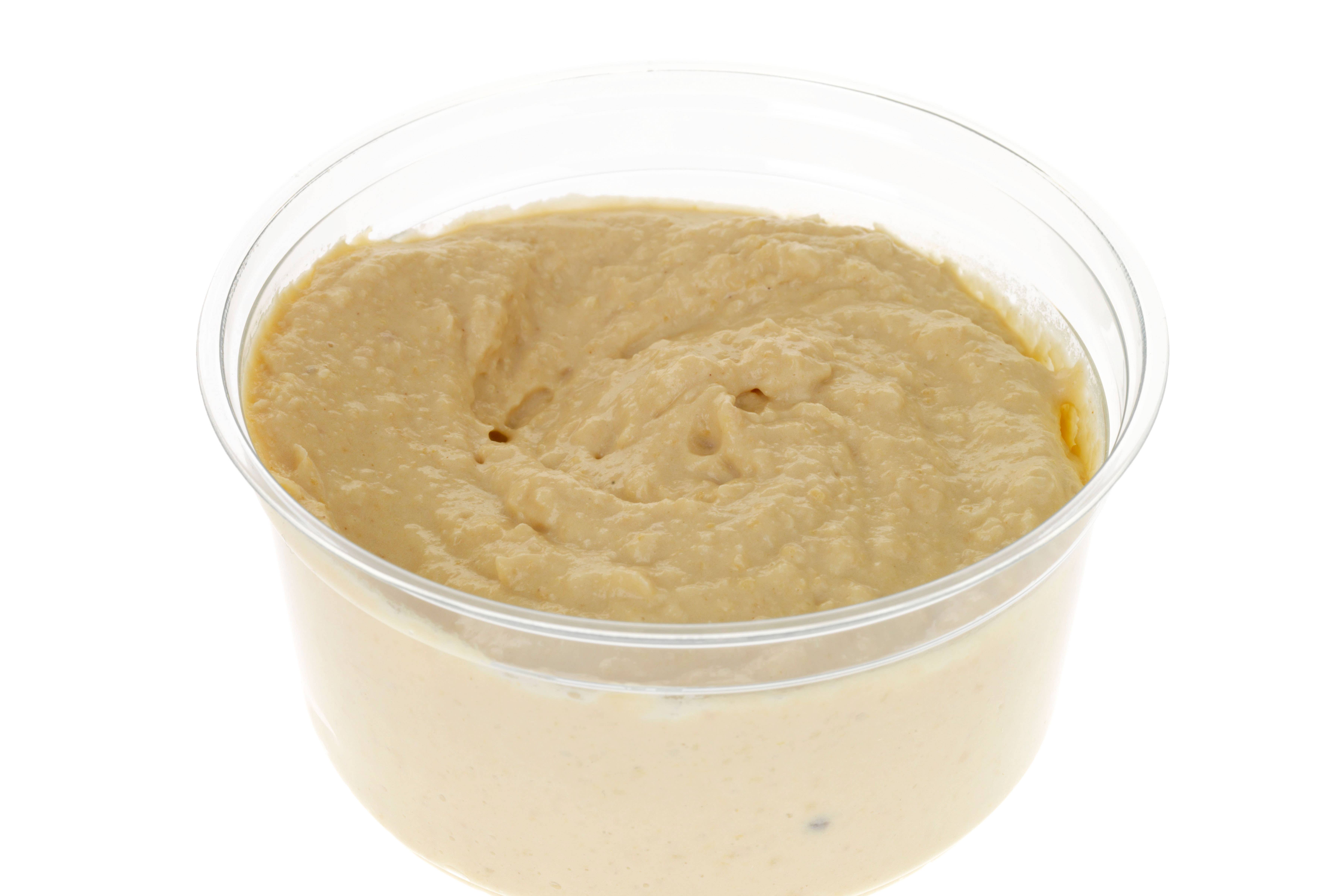
Houmous covered by the recall can be returned to Sainsbury’s branches for a full refund. Alamy/PA
Customers are urged not to consume either of the recalled products. Instead, they can return the items to any Sainsbury’s store for a full refund. The supermarket chain has apologised for any inconvenience caused to its customers.

AD: Capeesh Restaurant
Understanding the E.coli Hummus Recall
Symptoms associated with an E.coli infection include diarrhoea, which can be bloody, abdominal pain, and in severe cases, haemolytic uremic syndrome. This serious condition can potentially lead to life-threatening kidney failure.
The NHS explains that E.coli is a type of bacteria. People can contract it by eating contaminated food, such as raw leafy vegetables or undercooked meat. Transmission can also happen from touching infected animals. Furthermore, people can catch the illness through contact with an infected person or by drinking inadequately treated water. Washing hands regularly, keeping food preparation areas clean, and cooking food to the correct temperature are important preventative measures.
Steve Busby, a professor of biochemistry at the University of Birmingham, studies bacteria, including E.coli. He said, “People need to understand the big picture about E.coli. We all have it. It’s also in the intestinal tracts of cattle, chickens, dogs and all domestic animals and pets. 99.99 per cent of the bacteria are totally harmless.” However, he added, “But just occasionally you do get a strain that has a genetic determinant that can cause harm.”

AD: Oysterian Sea Food Restaurant And Bar
Dr. Babak Ashrafi, from Superdrug Online Doctor, advised that most cases of infection resolve on their own. He emphasised the importance of seeking medical advice if you or a family member have symptoms. The most critical treatment is drinking plenty of fluids and resting. Rehydration solutions are also beneficial if needed.
For more information on E.coli and food safety, visit the Food Standards Agency website.

AD: Heritage And Restaurant Lounge Bar