

By Charlotte Webster-
A decade after the tragic death of 22-year-old Alice Figueiredo in a secure mental health hospital, an NHS trust and a ward manager finally face sentencing next week for health and safety breaches. The North East London NHS Foundation Trust and former ward manager Benjamin Aninakwa were found culpable by a jury earlier this year.
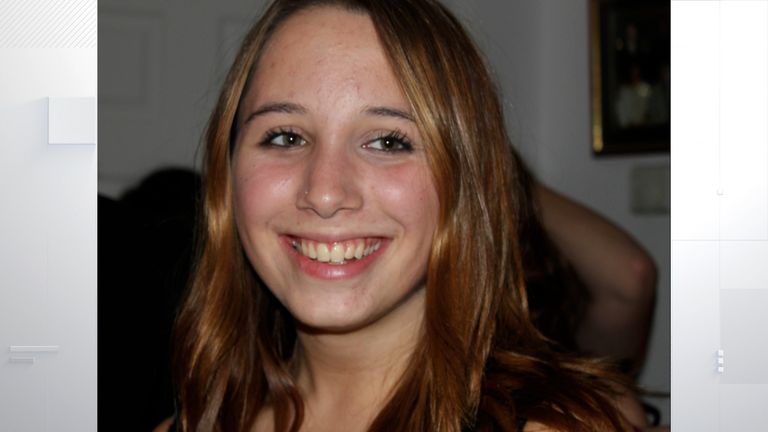
Alice. Pic: Sky News
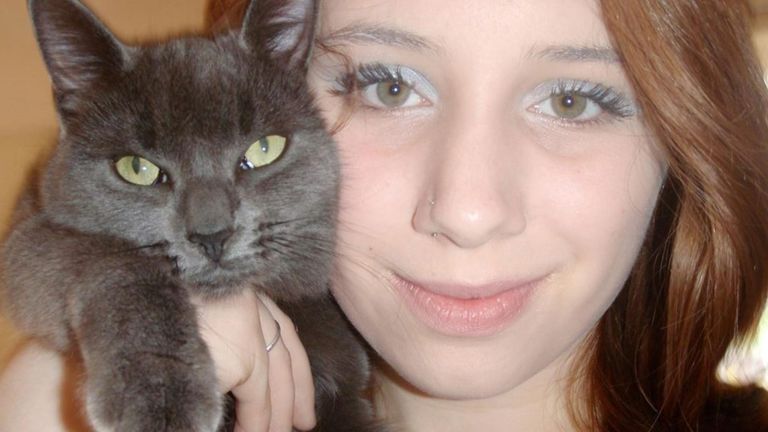
Alice had predicted her own death, her mother says. Pic: Sky News
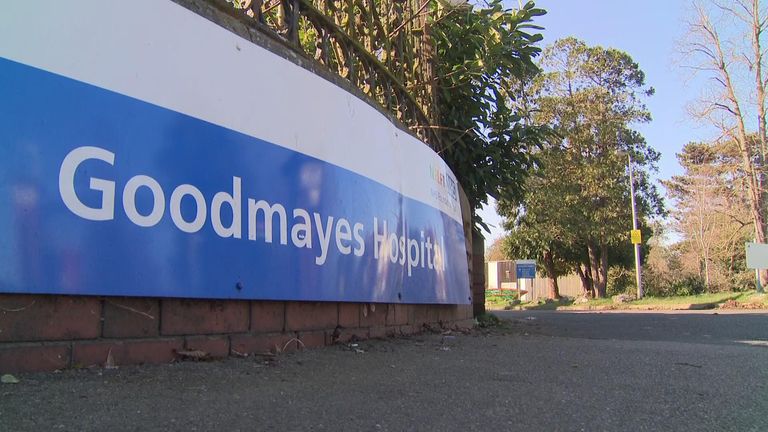
Jurors determined that neither the trust nor the manager did enough to prevent Alice Figueiredo from taking her own life at London’s Goodmayes Hospital in July 2015.

AD: Capeesh Restaurant
Pic: Sky News
This crucial step towards accountability follows one of the most arduous legal processes in recent memory, confirming systemic failures within the facility designed to keep vulnerable patients safe. The upcoming NHS Mental Health Sentencing serves as a stark reminder of the continuing crisis in secure mental health provision across the country.
The guilty verdicts against both the organization and the individual staff member were reached following the joint-longest jury deliberation in the history of English law, a fact underscoring the case’s complexity. Alice’s parents, Jane and Max Figueiredo, stoically attended seven months of difficult and graphic evidence presented during the lengthy proceedings. Her mother, Jane Figueiredo, spoke candidly about the re-traumatisation the experience caused, explaining the constant reliving of her daughter’s suffering.
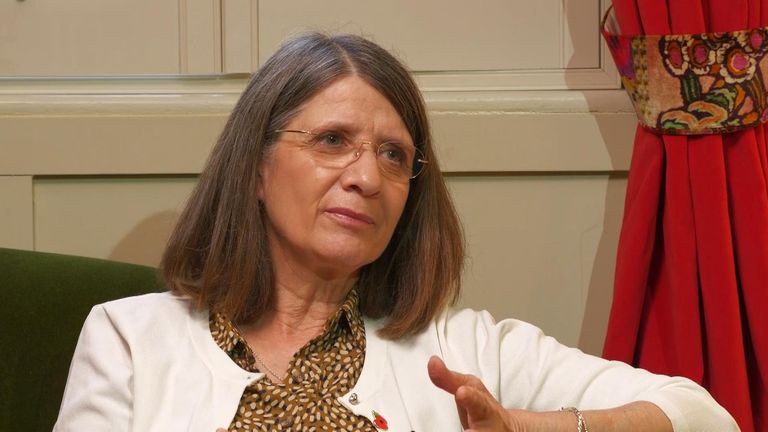
Mother Jane Figueiredo. Pic: SKy News
She described the experience as deeply distressing, recognizing her daughter had been failed “at every point all the way along.” For bereaved families, confronting the legal details of their child’s final moments adds immense trauma on top of the already unbearable wound of losing a child. Consequently, the NHS Mental Health Sentencing carries far more weight than typical legal proceedings; it represents the final formal acknowledgment of the trust’s failure to protect Alice.

AD: Oysterian Sea Food Restaurant And Bar
Alice Figueiredo’s tragic death shines an unforgiving spotlight on the repeated safety failures occurring within secure mental health units. Alice’s stepfather, Max Figueiredo, voiced his profound dismay, stating he remains “appalled” that she died in a place intended solely for her care and recovery. He questioned society’s tolerance for such repeated tragedies, particularly those involving young people in secure settings, asking: “How can society look at that event and portray it as something that happens as a matter of course?”
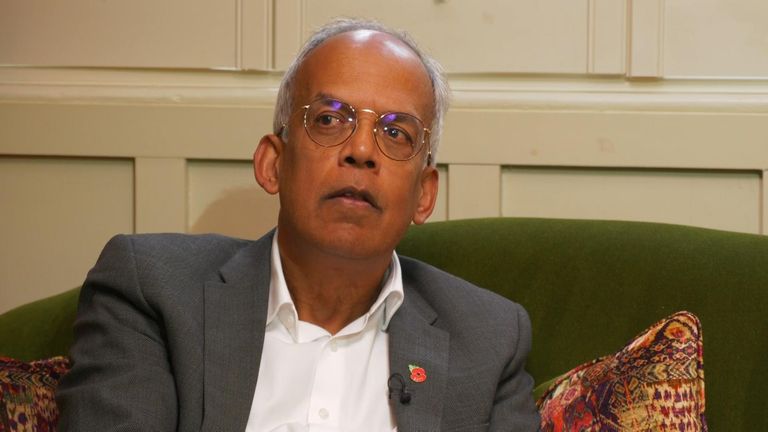
Step-father Max Figueiredo. Pic: Sky News
Tragically, Alice herself had foreshadowed her own demise, telling her parents out of fear: “The only way I’m going to leave this ward is in a body bag.” This devastating statement clearly revealed she felt fundamentally unsafe within the very environment tasked with safeguarding her life, highlighting the severe lapse in duty of care.
The verdict confirming culpability for the North East London NHS Foundation Trust sends a powerful message about corporate responsibility in health and safety matters. The upcoming NHS Mental Health Sentencing will determine the severity of the penalty, potentially including substantial fines for the Trust and a punitive sentence for the manager.
In a statement released following the verdict, the North East London NHS Foundation Trust expressed deep sorrow for Alice’s death and extended heartfelt condolences to her loved ones. The Trust admitted its responsibility and noted they have “taken significant steps to continually improve the physical and social environment,” promising to assist their workforce in delivering more compassionate care.
However, for Alice’s family, these improvements come too late; they have received some measure of justice from the convictions but acknowledge they will never achieve complete closure. They still await a personal apology from the hospital leadership, a simple gesture they feel has been unjustly withheld throughout the decade-long battle.
The NHS Mental Health Sentencing next week marks the conclusion of the criminal justice phase, but for Alice’s mother, Jane Figueiredo, the bereavement remains an unending journey. She explained eloquently that as a mother, her grief never ceases; it merely changes form as the years pass. She emphasized the simple, brutal reality of her loss, saying: “The thought I won’t even hear her voice is unbearable and I still miss it. I still miss her voice.” Her comments powerfully articulate the profound, personal devastation masked by the impersonal language of legal and corporate accountability.
This specific case underscores a much larger, systemic problem regarding patient safety in mental health facilities across the UK. It is imperative that the lessons learned from Alice’s death, particularly those surrounding management oversight and physical environment safety, translate into immediate, actionable reforms that protect other vulnerable patients.
The legal finding against both the Trust and the individual manager is extremely rare and demonstrates the extreme gravity of the failings identified. This verdict establishes an important legal precedent for future cases involving breaches of duty of care in secure environments.
Mental health units must ensure they provide both compassionate support and absolute physical safety for those entrusted to their care. The government must allocate sufficient resources to secure units, guaranteeing robust staffing levels and rigorous procedural checks to prevent similar tragedies.
The NHS Mental Health Sentencing is not just about punishment; it represents a final, formal opportunity to underline the seriousness of safety breaches within the health service.
Warning: This article contains references to suicide. Anyone feeling emotionally distressed or suicidal can call Samaritans for help on 116 123 or email jo@samaritans.org in the UK. In the US, call the Samaritans branch in your area or 1 (800) 273-TALK.

AD: Heritage And Restaurant Lounge Bar