
By Kenneth Williams-
The murder case involving singer D4vd has shifted its focus toward a critical question: who knew about his alleged relationship with a teenage girl before her death?
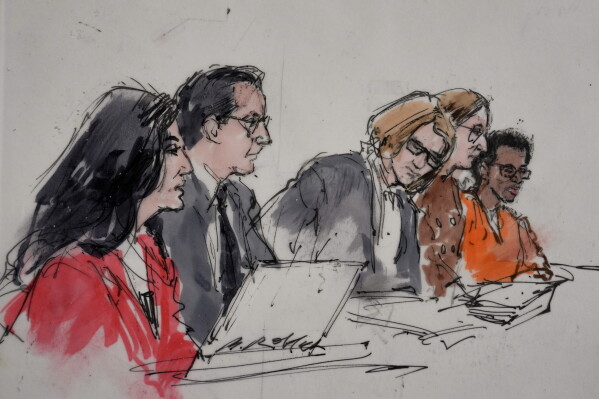
During a preliminary hearing in Los Angeles, prosecutors questioned witnesses about what people close to the musician may have known about his connection with 14-year-old Celeste Rivas Hernandez before she was killed. Investigators and prosecutors are examining whether others around the singer were aware of the relationship and whether any warning signs were overlooked before the teenager’s death.

AD: Capeesh Restaurant
D4vd, whose legal name is David Anthony Burke, has pleaded not guilty to charges connected to Hernandez’s death. Prosecutors allege that Burke began a sexual relationship with Hernandez when she was 13 and he was 18, and they argue that the relationship became a possible motive in the killing. The defense has rejected the allegations and maintains that Burke did not cause Hernandez’s death.
The case has drawn intense attention because of the contrast between Burke’s rising music career and the allegations now presented in court. The singer gained popularity through online platforms before achieving wider recognition, while prosecutors argue that concerns about his public image and career may have played a role in the events they describe.
Court testimony has centered not only on the alleged crime itself but also on the people surrounding Burke. Prosecutors have questioned witnesses about whether members of his professional circle, including people involved in managing his career, had information about Hernandez’s presence in his life.

AD: Oysterian Sea Food Restaurant And Bar
One witness, Burke’s money manager Benjamin Gregor, testified that he knew Hernandez by her first name and had heard about trips involving Burke and the teenager, according to reports from the hearing. Prosecutors are attempting to determine how much information was available to people close to the singer before Hernandez’s death.
The issue of awareness has become a major part of the prosecution’s broader argument. While prosecutors are presenting evidence they say connects Burke directly to the killing, they are also investigating the wider circumstances surrounding Hernandez’s relationship with him, including whether others recognised the seriousness of the situation.
Prosecutors have presented a timeline they say shows Hernandez was killed after tensions developed surrounding the alleged relationship. They claim Burke feared the relationship becoming public and that Hernandez had threatened to reveal information that could damage his career. Burke’s legal team disputes the prosecution’s account.
Investigators have described evidence collected during searches, including purchases and materials prosecutors say were connected to efforts to conceal Hernandez’s death. Testimony has included references to items such as body bags, chainsaws and other tools that authorities say were obtained after Hernandez disappeared. Authorities previously announced that Hernandez’s remains were discovered in a vehicle connected to Burke after the car had been impounded. Prosecutors have alleged that the teenager’s body had been concealed for months before being found.
The hearing is expected to determine whether there is enough evidence for the case to move forward toward trial. A judge will ultimately decide whether prosecutors have met the legal threshold required for the case to proceed. The investigation has raised broader questions about accountability, including whether people around public figures can recognise and respond to harmful behaviour before a tragedy occurs.
Prosecutors’ attention on who knew about Burke’s relationship with Hernandez reflects an effort to understand not only what happened, but also the circumstances that surrounded the alleged crime. With Hernandez’s family, the proceedings represent an attempt to establish a full account of her final months and seek justice.
Burke, the case remains a criminal proceeding in which he is presumed innocent unless proven guilty in court. Prosecutors are expected to further examine communications, witness accounts and evidence that could clarify who knew about the relationship and when they became aware of it.
The investigation is likely to focus on messages, conversations and other records that may help establish a clearer timeline of events leading up to Hernandez’s death.Reviewing digital communications and testimony from people who interacted with both Hernandez and Burke, prosecutors hope to determine whether individuals around the singer had knowledge of the relationship, expressed concerns or took any actions after learning about it.
A major part of the prosecution’s effort is expected to involve understanding the extent of awareness among people within Burke’s personal and professional circles. Investigators may examine whether managers, associates, friends or others who had regular contact with the singer noticed details that suggested the relationship existed.
Lawyers believe the findings could become significant as prosecutors attempt to build a broader picture of the circumstances surrounding Hernandez’s final months. Witness testimony is expected to play a key role in establishing how information about the relationship was shared. Investigators are expected to compare statements from different individuals to identify when they first learned about Hernandez, what they understood about her age and circumstances, and whether their accounts match other evidence collected during the investigation.
Digital evidence could become another important area of focus. Prosecutors often rely on phone records, text messages, social media activity, location data and online communications in cases involving questions about relationships and timelines. Such evidence may help investigators determine patterns of contact between individuals and identify possible gaps between what people knew and what they later reported.
The examination of evidence is not limited to proving what happened before Hernandez’s death. Prosecutors may also use the information to establish whether anyone attempted to hide the relationship or failed to report concerns that could have affected the outcome of the case. Any conclusions drawn from this evidence will likely depend on how investigators interpret the timing, context and reliability of each piece of information.
The defense is expected to challenge the prosecution’s interpretation of the evidence and argue that assumptions about who knew what may not accurately reflect the reality of the situation. Attorneys for Burke have maintained that allegations against him are disputed and that evidence must be carefully examined through the legal process..

AD: Heritage And Restaurant Lounge Bar