

By Gavin Mackintosh-
Students at the University of Cambridge are demanding the immediate resignation of Vice-Chancellor Professor, Deborah Prentice(pictured) and an independent investigation into the university’s handling of the controversy surrounding Professor Jason Arday, whose death followed weeks of intense public scrutiny over allegations about his academic record and personal history.
The demands have been set out in a letter promoted by the Good Law Project, and addressed to Cambridge Chancellor Lord Chris Smith. The students accuse the university leadership of failing to adequately protect Arday during what they describe as a sustained and racially charged campaign against him, and argue that the institution’s response warrants independent scrutiny.

AD: Capeesh Restaurant
The letter is also endorsed by Bell Riberio-Addy, MP, Diane Abbott, MP, and Claudia Webbie
Arday, 41, became Cambridge’s youngest Black professor when he was appointed professor of sociology of education. He resigned from the university shortly before his death on 14 August. Police said he was found unresponsive at a property in Battersea, south London, and was pronounced dead at the scene. His death was unexpected but was not being treated as suspicious.

AD: Oysterian Sea Food Restaurant And Bar
His family subsequently said they were devastated by his death and argued that a campaign of misinformation had become too much for him. Arday himself had said in his resignation letter that relentless accusations, speculation, and public commentary had taken a profound toll on him and those close to him.
His memoir is being published posthumously by Simon & Schuster and was written with Eve Claxton. The publisher says the narrative was researched and corroborated during the editorial process. Interestingly, several of the controversial claims that had appeared in Arday’s public biographies or interviews were either removed, softened or omitted from the final memoir.
The student campaign has now placed the spotlight squarely on Cambridge’s leadership. It alleges that 249 articles were published by major national news outlets over a 22-day period and argues that the university failed in its duty to safeguard Arday and other Black and marginalised members of its community. The figure cited in the campaign differs from figures reported elsewhere: the Associated Press has reported more than 289 articles over 22 days, illustrating the extraordinary scale of the media attention surrounding the affair.
The aggrieved Cambridge students are particularly critical of the apparent evolution of Cambridge’s position. They say the university initially defended Arday against what it described as a “vile smear campaign”, before changing course and announcing an investigation into his appointment and tenure.
Cambridge’s own records confirm that on 12 August, Vice-Chancellor Deborah Prentice announced an independent investigation into the circumstances surrounding Arday’s appointment by the Faculty of Education in 2022 and his subsequent time at Cambridge. She said the inquiry would be thorough and transparent and would be carried out by senior academics from within and beyond the university.
Prentice also said the investigation would inform a review of the university’s process for appointing senior academics and that its Research Policy Committee would review its research-misconduct policy. She acknowledged the anger and anxiety surrounding what she called a “damaging and difficult case”.
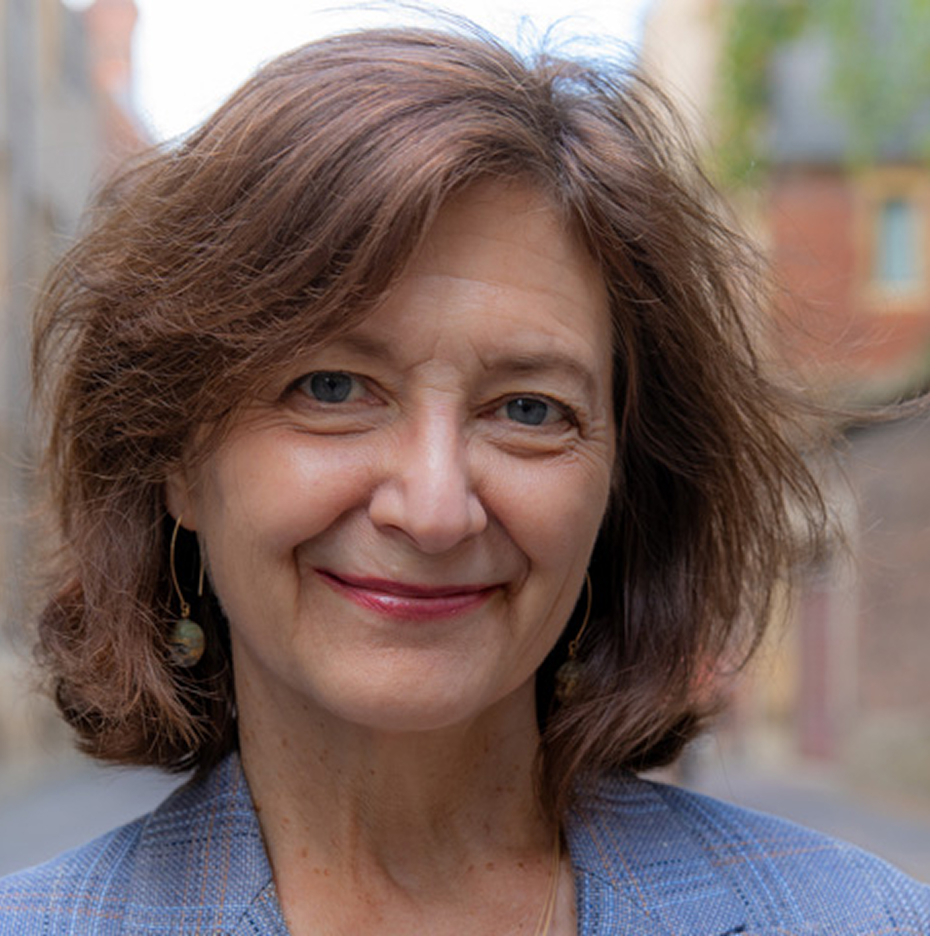
Under fire: Cambridge Vice Chancellor, Deborah Prentice put on the hot seat by her aggrieved students: Image: .christs.cam.ac.uk
But critics argue that the timing of the change in position is crucial. The student letter says that four days before Arday’s death, Cambridge abandoned its earlier defence of him and moved to describe the matter as a “troubling case” and later an “aberration”. The campaign asks what support was provided to Arday after his resignation and whether the university encouraged or discouraged him from stepping down.
The questions are particularly sensitive because Arday had publicly described the impact of the scrutiny before his death. In his resignation statement, he said leaving Cambridge was the only way to bring the chapter to an end and described himself as having reached “the limits of what any person should reasonably be expected to endure”.
The controversy began with allegations that sections of Arday’s doctoral thesis and other academic work had been plagiarised, followed by scrutiny of claims he had made about aspects of his childhood, achievements and charitable activities. Arday denied plagiarism, while Liverpool John Moores University, where he completed his doctorate, reportedly cleared him of wrongdoing following an investigation.
The dispute then widened beyond questions about academic integrity. Reports examined claims about Arday’s childhood, including his account of being non-verbal until the age of 11 and illiterate until 18, as well as other statements about his achievements. His forthcoming memoir, Great and Unfortunate Things, is due to be published posthumously this week at the request of his family, who have said they want to honour his wishes.
The students’ letter places this controversy within a broader argument about Cambridge’s treatment of Black academics. It specifically raises the case of Nathan Cofnas, an academic whose controversial writings about race and intelligence generated 58 formal complaints to Cambridge in 2024. According to reporting on the case, the complaints were investigated and ultimately dismissed; Cambridge has said that its inquiry concluded that Cofnas’s published views, although regarded by many as offensive, did not breach the law or the university’s regulations protecting freedom of expression.
The comparison has become a central part of the students’ argument. They contend that Cambridge subjected Arday to intense scrutiny while failing to respond adequately to concerns raised about Cofnas’s writings. They argue that the contrasting treatment has contributed to profound mistrust among members of the university community who have experienced racism.
Sensitive
That comparison is politically and institutionally sensitive. Cambridge has defended its approach to freedom of speech, while critics say the issue is not whether controversial views can be expressed but whether universities have a responsibility to protect members of their communities from discrimination and hostile environments.
The campaign also accuses Prentice of failing to acknowledge the racial dimension of the public scrutiny facing Arday. Students argue that her silence about the alleged racial character of the campaign aggravated the distress experienced by Black students and staff.
Those claims remain allegations made by the campaign and are not established findings of an independent inquiry. Cambridge has announced an investigation precisely because questions remain about how Arday was appointed, how concerns were handled and whether institutional processes were followed properly. Durham and Glasgow universities have also announced investigations into the circumstances surrounding his appointments at those institutions.
The university now faces a difficult test of institutional accountability. Its independent investigation was announced before Arday’s death, but his death has transformed the debate from one primarily concerned with academic appointments and research standards into a much wider examination of duty of care, media scrutiny, racism and the responsibilities of universities when one of their academics becomes the focus of an extraordinary public controversy.
The students demanding Prentice’s resignation say the university cannot investigate itself and simultaneously expect those affected by the controversy to have confidence in its conclusions. They are calling for an independent process and for Cambridge to accept responsibility for what they describe as failures in safeguarding.
Prentice’s public response to Arday’s death was brief. In a statement issued on 14 August, Cambridge said it was “desperately saddened” by his death and extended its sympathies to his family and friends.
The emerging dispute is therefore no longer simply about whether Cambridge made the right appointment or whether allegations about Arday’s academic work were properly investigated. It has become a fundamental question about institutional responsibility: what a university owes an academic facing unprecedented public pressure, how it responds when allegations become a national controversy, and whether race and vulnerability were sufficiently considered in protecting him.
The student campaign’s demand is unequivocal. It wants Prentice to resign, and an independent investigation to establish what happened. With Arday’s death now at the centre of a national debate over academic standards, racism, media accountability and university governance, the pressure on Cambridge to provide credible answers is likely to intensify.

AD: Heritage And Restaurant Lounge Bar
-
Share On
- Categories
- Date