
By Ben Kerrigan-
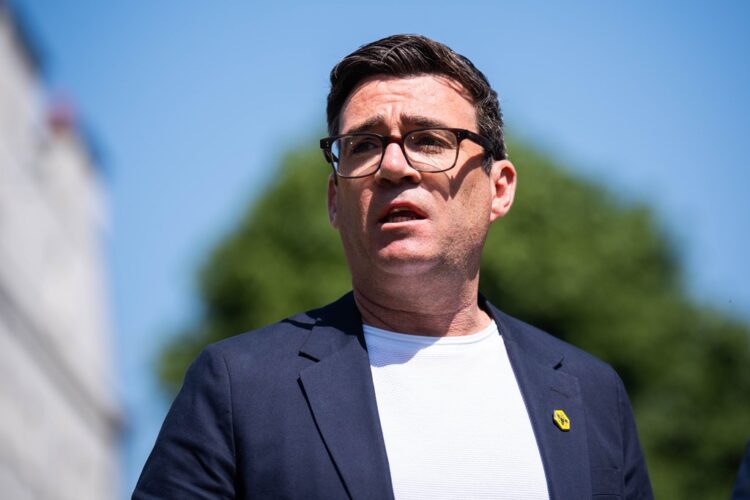
British Prime Minister, Andy Burnham,(pictured) has said that funding for Prince Harry and Meghan Markle is a private matter.His comments came in response to a question by a journalist following the announcement that the Duke and Duchess of Sussex will soon rEturm to the uk this month And behind that apparently simple answer lies a much bigger constitutional and legal question. When a member of the Royal Family chooses to live as a private citizen, when does personal security become a responsibility of the state — and therefore potentially the taxpayer?Mr Burnham’s refusal to commit the Government to funding the Sussexes’ protection is significant because Harry has spent years fighting precisely this battle. The Duke of Sussex lost his Court of Appeal challenge last year against the decision to reduce his automatic publicly funded protection after he and Meghan stepped back from their roles as senior working royals in 2020. The court upheld the legality of the system under which his protection is assessed on a bespoke basis, rather than being guaranteed because of his royal status.
That legal principle provides powerful support for the Prime Minister’s stance. The courts have effectively accepted that security is not an automatic royal entitlement. It is a matter for the relevant authorities to assess according to circumstances, risk and the person’s status and role. In other words, Harry’s return to Britain does not, by itself, create a legal entitlement to a taxpayer-funded protection detail. The Sussexes are not returning as working royals, but rather will establish their home in a private, non-royal residence outside London, with their children, Prince Archie and Princess Lilibet, expected to attend a British school. They are expected to retain their homes in California and Portugal, while Meghan continues her business interests. There has been no indication that the couple will resume official royal duties or return to the “half-in, half-out” arrangement rejected by the late Queen Elizabeth II in 2020.

AD: Capeesh Restaurant
The Prime Minister’s position can be seen as a simple application of a wider principlethat public protection should follow assessed public risk and official responsibility, rather than automatically following wealth, fame or hereditary status. That does not mean Harry and Meghan will necessarily receive no state protection. It means that their return does not decide the question. The responsibility for assessing protective security rests with the Royal and VIP Executive Committee, known as RAVEC, rather than with the Prime Minister making an ad hoc political decision. The courts have previously recognised the expertise and discretion of the committee in determining these matters. That distinction is likely to become increasingly important in the weeks ahead.
Harry has argued that the threat against him remains serious and has previously challenged the Government’s approach to his protection. His legal battle centred on whether the arrangements offered to him when he visits Britain were adequate and lawful. His lawyers argued that he had been unfairly treated following his departure from royal duties. The Government’s position was that security should be determined according to the circumstances of the individual case. The Court of Appeal ultimately sided with the Government.
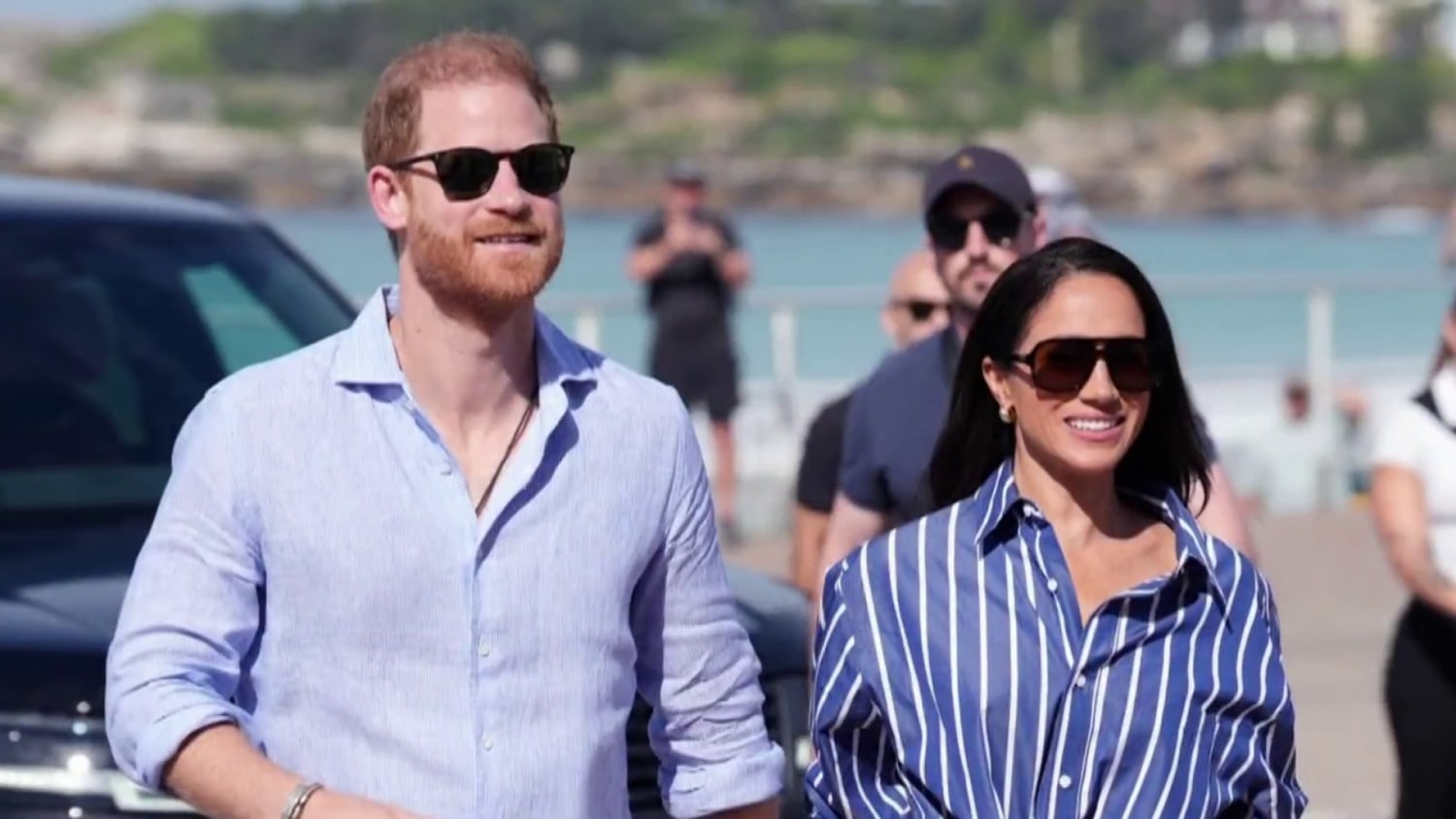
Prince Harry and Meghan Markle have announced a return to the UK but will have to privately acquire their own security Image: PA
That ruling means Mr Burnham is on relatively firm ground in resisting any suggestion that the Sussexes should automatically be restored to their former level of protection simply because they are moving back across the Atlantic. There is also a practical argument. Police protection is not an unlimited commodity. Specialist officers have to be allocated according to assessed threats and competing demands. A decision to provide extensive protection to one individual inevitably carries implications for the deployment of police resources elsewhere. And there is a political argument too. Harry and Meghan made a conscious decision six years ago to step away from the institutional machinery of the British monarchy. They sought financial independence, moved to the United States and established themselves as commercially and philanthropically independent figures. They are entitled to make that choice. But the principle cuts both ways. If they live as private citizens, the state cannot simply be expected to reproduce every public privilege associated with their former status.

AD: Oysterian Sea Food Restaurant And Bar
That does not absolve the Government of its duty to protect people who face a credible and serious threat. But it does mean the justification for protection must come from risk, not simply from royalty. And that is where Mr Burnham’s words are more carefully calibrated than they might initially appear. the prime minister did not say Harry and Meghan would receive no protection. He did not say the Government would never pay for their security. He did not challenge Harry’s concerns about threats. Instead, he described the matter as private and wished the couple well. That leaves the actual security assessment where it belongs: with the specialist authorities. The timing could hardly be more intriguing.
The Sussexes’ return to Britain was revealed today, and reportedly came as a surprise even to King Charles, who was only informed days before the news became public. The King is understood to welcome the prospect of seeing more of his son and grandchildren in a personal capacity, following their recent reunion at Highgrove. But Harry’s return also brings him physically closer to his estranged brother, Prince William. The family divisions that erupted after the Sussexes’ departure have never properly disappeared. Harry and Meghan have criticised members of the Royal Family publicly, while Harry’s memoir and subsequent interviews exposed deeply personal disagreements. His return therefore has the potential to change the family dynamic in ways that cannot be measured in police deployments or security assessments. The couple are returning to the country they left partly because they felt overwhelmed by the pressures of royal life, media scrutiny and security concerns.
Now they are coming back with their children, while the very question that helped define Harry’s break with Britain remains unresolved. The Prime Minister has made his position clear. The Government is not going to turn the Sussexes’ personal decision into an automatic commitment of public money. That is not necessarily a rejection of Harry. It is a rejection of the idea that royal blood alone determines entitlement .The law has already established that Harry’s security arrangements can be assessed according to his changed circumstances. The Government therefore has a defensible basis for saying that the couple’s move is, in the first instance, a private decision — and that any state protection must be justified independently by the evidence of risk. There is an important public-interest safeguard in that approach.
If the security authorities conclude that Harry, Meghan or their children face a serious and specific threat, the Government would have a duty to take appropriate protective measures. Conversely, if the evidence does not justify the highest level of state protection, the fact that Harry is the King’s son cannot by itself manufacture such an entitlement. That is the difficult balance the Government now faces Protect people because they are at risk — not simply because they are royal. Mr Burnham’s “private matter” line may therefore prove more than a diplomatic brush-off. It is a statement of principle. Harry and Meghan are free to come home. But coming home does not automatically mean bringing the old royal security arrangements with them. And after years of litigation, the courts have already provided the Prime Minister with a powerful reason for drawing that distinction