
By Sammy Jones-
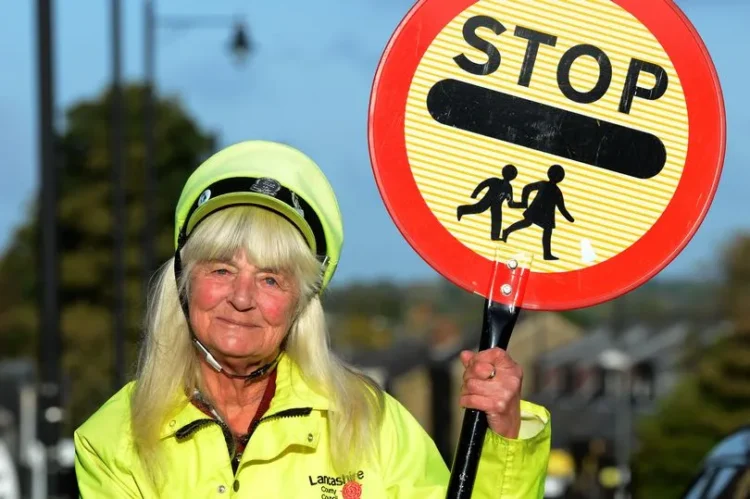
The familiar figure of the school crossing patrol, holding up their iconic round “lollipop” sign so children can safely cross busy streets, is facing an alarming new challenge: road rage and aggressive behaviour from motorists and cyclists, forcing councils to deploy body‑worn cameras on school crossing guards. What was once an uncontroversial civic role stopping traffic briefly during school runs has increasingly become a frontline job fraught with hostility, prompting urgent debate about the safety of lollipop ladies and men across the UK.
The move has been described by some patrols as a necessary response to “horrific” incidents of abuse and spitting while performing their duties.

AD: Capeesh Restaurant
In many years, school crossing patrol officers have been a reassuring part of daily life outside schools, helping generations of children navigate traffic safely. But recent reports suggest a troubling rise in confrontations, including motorists refusing to stop, yelling, and even spitting at patrols in some areas.
In response, councils like Suffolk County Council have begun equipping crossing patrols with body‑worn cameras to gather evidence of offences and deter bad behaviour. A pilot phase in the county reportedly saw successful prosecutions against offending drivers and cyclists, leading to plans to roll out devices to more than 50 patrols after the initial trial.
The unsettling shift reflects broader tensions on UK roads, where increased traffic volumes, commuter impatience and strained enforcement resources have made everyday interactions between drivers and vulnerable road users more fraught. Parents waiting with children at school gates have recounted uneasy moments as drivers impatiently inch forward or refuse to stop for the patrol’s signal. In some cases, even compliant drivers have been caught in heated exchanges with patrols simply doing their jobs. For crossing patrols, the escalation from polite requests to hostile confrontations has been jarring, prompting calls for better protection and clearer respect for their authority under the Road Traffic Regulation Act 1984.

AD: Oysterian Sea Food Restaurant And Bar
Traditionally, lollipop ladies and men (officially known as school crossing patrol officers) have been seen as trusted community figures often retired local residents providing a vital service at the school run’s busiest times. The job has involved little more than stopping cars with a handheld stop sign and ensuring children and parents can traverse busy roads.
But in recent years, that perception has begun to shift as incidents of road rage directed at patrols surge. Some officers report routinely facing verbal abuse, threats and even physical spitting while performing a role that remains crucial to child safety.
Such incidents have alarmed councils and campaigners alike, raising urgent questions about how to defend citizen volunteers and staff from aggressive road users.
Body‑worn cameras, typically associated with police and security personnel, have thus emerged as a controversial but increasingly viewed necessary tool for school crossing patrols. By capturing footage of interactions with drivers and cyclists, patrols hope to ensure that any abusive or dangerous behaviours are documented and can be used by authorities when pursuing prosecutions or fines.
Supporters argue that the cameras act not only as a deterrent to would‑be offenders but also provide valuable evidence for police much as dashcam footage from motorists has helped in other road safety and prosecution contexts.
Indeed, police forces across the UK now actively encourage the use of video evidence from the public, including dashcams, to tackle dangerous driving and enforce road safety laws.
Critics, however, caution that introducing bodycams to a role traditionally carried out by volunteers could have unintended consequences. Some express concerns about privacy both for patrols and passing motorists and the legal and data‑protection implications of recording in public spaces.
Others argue that while evidence gathering is important, the deeper issue remains the need for better driver education and enforcement of the Highway Code.
They suggest that placing cameras on crossing patrols may address the symptom hostile interactions without confronting the root causes of increasingly aggressive behaviour on the roads.
Parents, educators and local campaigners are also split. Many welcome stronger protections for patrols, believing it sends a clear message that abuse against those helping children is unacceptable. Others worry that the presence of cameras could further escalate tensions if motorists feel monitored or judged while dropping children off at school.
Still, the broader public sentiment often remains resolutely supportive of patrols, rooted in appreciation for the safety they provide multiple times each day.
Nationally, debates over bodycams for crossing patrols form part of a wider conversation about road safety and vulnerable road users in the UK. With pedestrian crossings to cycle lanes and enforcement cameras on busy routes, authorities are grappling with how to balance freedom of movement, traffic flow, and protection for the most vulnerable.
The escalating use of cameras whether attached to police vehicles in response to ramming incidents in Northern Ireland or mobile AI‑powered road safety tech being trialled elsewhere underscores a shift towards technology‑assisted enforcement and evidence gathering on British roads.
With the lollipop ladies and men, cameras are more than just gadgets; they represent both a shield and a statement. They underscore the very real risks that patrols now face in a climate where patience can fray in moments, and where someone simply standing in a high‑visibility vest can attract hostility from an impatient driver.
Councils pushing the initiative argue that the effort is not about policing motorists it’s about safeguarding everyday heroes who help children safely through busy traffic twice a day.
While bodycams are rolled out more widely, officials are urging drivers to remember that school crossing patrol officers have legal authority under the Highway Code to stop traffic and that ignoring their signals isn’t just rude, it’s an offence that can attract fines and penalty points.
Ensuring compliance and a safe environment for patrols, campaigners stress, requires a culture shift on the roads one that combines enforcement, respect for safety roles, and a collective commitment to protecting those who protect children.
Whether bodycams will significantly alter driver behaviour remains to be seen, but for many crossing patrols, the presence of technology offers a measure of reassurance and a record of evidence should hostile encounters occur again.
While councils monitor the success of the current rollout, authorities are also looking at broader strategies, including further education campaigns and closer collaboration with police, to ensure that the school run remains safe and respectful for all involved.
In communities where crossing patrols have long been a cherished part of daily life, the hope remains that new measures will restore a sense of security and respect reminding everyone that the school run shouldn’t be a battleground, but a shared moment of civic care and responsibility.

AD: Heritage And Restaurant Lounge Bar