
By Lucy Caulkett-
The BBC has issued an internal apology to staff and viewers after a racial slur was broadcast during the 2026 BAFTA Film Awards, thrusting the broadcaster and the British Academy of Film and Television Arts (BAFTA) into a maelstrom of criticism over editorial oversight, representation and the limits of inclusive storytelling.
The incident arising from an involuntary outburst by a guest with Tourette’s syndrome has prompted BAFTA to announce a comprehensive review of the awards ceremony and its handling of the situation, in what many in the UK’s creative community are calling a moment of reckoning for cultural institutions and media platforms.

AD: Capeesh Restaurant
While the outburst was not intentional, the failure to remove the offensive language from the television broadcast ignited intense backlash from artists, officials and advocacy groups who said the error exacerbated harm rather than alleviating it. The controversy has also prompted broader discussions about disability, race and responsibility in live events and delayed broadcasts.
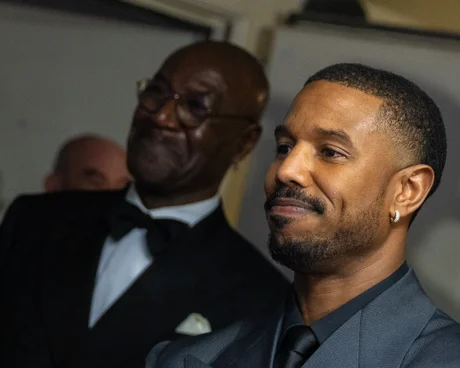
The moment that sparked the uproar occurred on 22 February 2026 at London’s Royal Festival Hall when guest John Davidson, a well‑known Tourette’s syndrome campaigner whose life story featured in the acclaimed film I Swear, involuntarily shouted a racial slur while actors Michael B. Jordan and Delroy Lindo were presenting an award.
Although the ceremony was broadcast on a two‑hour delay on BBC One, the word was not edited out and initially remained on the BBC iPlayer stream.

AD: Oysterian Sea Food Restaurant And Bar
In a message to BBC staff, Chief Content Officer Kate Phillips acknowledged the distress caused by the error and said the corporation “take[s] full responsibility for what happened,” emphasising that the slur was broadcast “in error” and that “we would never have knowingly allowed this to be broadcast.”
The note expressed deep regret that such language reached audiences and confirmed the programme had been removed from iPlayer while edits are made.
The BBC’s apology went further than its initial public statement, with Phillips writing directly to colleagues to acknowledge the emotional impact of the incident on staff and viewers.
The broadcaster also noted that another racial slur had been successfully removed, but that this particular outburst, coming from the audience rather than the stage, had been missed by the production team.
The outburst was involuntary a vocal tic associated with Davidson’s condition and was contextualised during the ceremony, with host Alan Cumming noting that viewers might hear strong or irregular language due to Tourette’s. But the television edit omitted that explanation, leaving viewers without the full context and amplifying the offence.
Among the immediate responses, some prominent figures criticised both the BBC and BAFTA. Filmmaker Jonte Richardson resigned from the BAFTA jury, calling the handling of the incident “utterly unforgivable” and saying that he could no longer contribute to an organisation that “has repeatedly failed to safeguard the dignity of its Black guests, members and the Black creative community.”
Political voices also weighed in. Labour MP Dawn Butler wrote to the BBC’s leadership, demanding an urgent explanation and decrying the broadcast as “painful and unforgivable,” especially given the delay that should have allowed for a pre‑air edit.
Adding to the ripple effects of the incident, Google apologised for a news alert related to the controversy that inadvertently contained the slur, explaining the error was due to a systems malfunction and assuring users that safeguards would be improved.
BAFTA’s Comprehensive Review And Industry Reckoning
In response to the widespread backlash, BAFTA issued an apology to its members and the public, stating that a “comprehensive review” of the incident and the organisation’s processes is now underway.
In a letter to BAFTA members, Chair Sara Putt and CEO Jane Millichip acknowledged the harm caused, reiterated their commitment to inclusion, and pledged to “address what happened and apologise to all.”
BAFTA’s leadership stressed that their intention had been to create an inclusive environment where guests could participate fully in the night’s celebrations, noting that audiences were informed beforehand about Davidson’s condition and potential for involuntary tics. But they also conceded that intention “in no way diminishes the impact” of what was heard and experienced by many.
The announcement of a comprehensive review is notable given that the academy underwent a major internal examination just six years ago, aimed at improving diversity and inclusion across voting, membership and awards processes. That seven‑month review resulted in more than 120 changes.
BAFTA’s current review is expected to scrutinise not only the immediate handling of the incident but also broader systemic issues related to race, disability and media representation.
Reactions among industry figures have been mixed. Some praised BAFTA’s willingness to examine internal practices more closely, while others said the review must lead to tangible reforms rather than symbolic gestures.
Critics argued that institutions must be more proactive in understanding the intersections of disability and racial trauma, and ensure safeguards are robust enough to prevent unfiltered offensive content from reaching audiences.
The incident and the responses from both BAFTA and the BBC have underscored long‑running conversations about how cultural institutions handle difficult moments particularly those involving race and disability.
Some advocates online have suggested that the controversy should prompt industry‑wide dialogue about editorial control, delayed broadcasts and the responsibilities of media organisations when handling language that carries deep historical and emotional weight.
Meanwhile, Davidson himself has issued a statement expressing that he was “deeply mortified” if anyone interpreted his involuntary vocal tic as intentional or hateful, emphasising that his life’s work has been to support the Tourette’s community and educate others about the condition. He chose to leave the ceremony early after recognising the distress his tics were causing others.
Jordan and Lindo, meanwhile, maintained professionalism through the incident, but some reports suggest they were disappointed by the lack of direct engagement from BAFTA following the broadcast.
According to some accounts, actors wished for a more meaningful response beyond apologies including acknowledgement of the unique stress placed on them as presenters during the incident.
While the film industry digests the fallout, the broader cultural conversation around the Baftas N‑word incident is likely to continue. With the critics, meaningful institutional change depends not just on apologies and reviews, but on concrete actions that ensure respect for all participants especially those from marginalised communities.
With supporters of inclusion and accountability, transparency in BAFTA’s review and concrete reforms at the BBC will be critical steps in rebuilding trust and preventing similar controversies in the future.

AD: Heritage And Restaurant Lounge Bar