
By Aaron Miller-
Australia has joined the United States, the United Kingdom and several other Western countries in condemning Iran over an alleged plot targeting RAF Fairford, a military base in south-west England used by American long-range bombers.
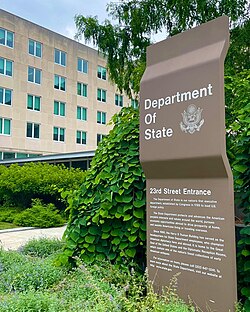
The joint statement, released by the US State Department, reflects growing concern among Western governments about suspected foreign-sponsored threats against military installations, Jewish communities and political interests across Europe.

AD: Capeesh Restaurant
The statement recognised Britain’s attribution of Iran’s alleged involvement in the incident on 27 September and accused the Islamic Revolutionary Guard Corps (IRGC) of continuing to project hostile activity beyond Iran’s borders through covert networks and proxy actors. The participating governments warned that attempts to intimidate, threaten or harm people on their territory through foreign-backed operations would not be tolerated. Iran and its UK embassy have strongly rejected the allegations.
RAF Fairford, located in Gloucestershire approximately 160 kilometres west of London, has played an important role in supporting US strategic bomber operations. Its military significance has placed the installation under increased scrutiny following the suspected plot.

AD: Oysterian Sea Food Restaurant And Bar
British police arrested five men, aged between 23 and 25, after stopping three vans allegedly travelling towards the base after midnight in late September. The suspects, all identified as British nationals, were released on bail without charge as investigations continued. A 27-year-old British-Iranian man was subsequently arrested on suspicion of preparing terrorist acts in connection with the alleged plot.
The United States also recently withdrew its long-range bombers from RAF Fairford, although the precise operational reasons for the withdrawal have not been fully established publicly. The incident has intensified questions about the security of sensitive military facilities and the potential risks posed by suspected covert operations.
Alleged Iranian Links and Wider European Threats
The joint statement said the alleged plot followed reported attacks targeting Jewish communities, Iranian journalists and US interests across Europe. Some of those incidents were reportedly claimed by Harakat Ashab al-Yamin al-Islamiya (HAYI), an Islamist group that emerged in Britain and Europe earlier this year.
European authorities reportedly regard HAYI as a potential proxy for Iran’s IRGC. Western governments have expressed concern that intermediary groups could enable hostile activities while obscuring the involvement of the state allegedly directing them. However, the precise connections between the organisation, Iran and the RAF Fairford investigation have not been established publicly in the information provided.
The governments involved pledged to strengthen intelligence sharing, investigate suspected hostile activities and prosecute those responsible where evidence supports criminal charges. Their collective message signals a determination to treat alleged foreign-sponsored intimidation as an international security concern rather than a series of isolated incidents.
Australia’s involvement is particularly significant because it expelled Iranian diplomats in August 2025 after its intelligence agency alleged that Iran had orchestrated antisemitic attacks in Melbourne and Sydney. Canberra’s participation in the latest statement reinforces its position that suspected foreign-directed violence within national borders represents a serious breach of sovereignty.
The broader dispute could lead to increased intelligence cooperation and further diplomatic measures if investigators uncover evidence connecting the alleged plot to a wider network. However, the joint statement does not itself announce new sanctions or military action.
Iran Faces Growing Diplomatic Pressure
The RAF Fairford case highlights the difficult balance Western governments must strike between responding to credible security threats and establishing responsibility through evidence. While the allegations have prompted a united diplomatic response, the suspects’ release on bail without charge and Iran’s denial mean that key questions remain unresolved.
The investigation will determine whether the alleged plot involved a coordinated network, whether prosecutors can establish criminal offences and whether evidence supports claims of Iranian direction. Until those questions are answered, the accusations must remain allegations rather than established findings.
The central challenge for Britain, Australia and their allies, is to protect military installations and vulnerable communities while ensuring that any response rests on verifiable evidence. The case has strengthened Western diplomatic unity, but its ultimate consequences will depend on what investigators can prove.

AD: Heritage And Restaurant Lounge Bar