
By Isabelle Wilson-
A renowned Australian professor who led a study, on how autistic people coped during the pandemic says that developing useful tools for this area of literacy teaching plugs a gap in autistic care.
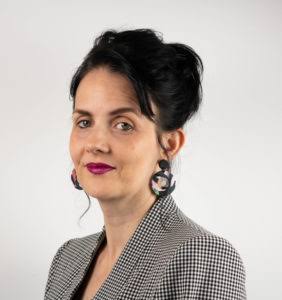
Flinders university professor, Joanne Arculi, who specialiseso on child development and disability has been funded by the Australian Research Council (ARC) since 2007 and very well exposed to broad collaborative research in multiple countries, as well as focusing on various aspects of research herself
Having served on several national and international Boards (Luke Priddis Foundation, Society for Scientific Studies of Reading, and the Association for Reading and Writing, Professor Arciu;i is a brilliant mind who advises several organisations about scientific research and child development and education.
“Children with autism present with highly diverse and nonuniform reading profiles, with some experiencing difficulties with reading comprehension more than reading accuracy skills,” says Arciuli
While the Covid pandemic brought unprecedented disruption to families across the country, an unexpected outcome emerged for some autistic children: the restrictions of lockdown provided an environment in which they felt calmer, more comfortable and, in certain circumstances, better able to learn and develop.
The Covid-19 pandemic was an exceptionally difficult period for millions of families. School closures, social isolation, uncertainty and restrictions on everyday activities created enormous challenges for children and parents alike. Amid the disruption, some families with autistic children discovered an unexpected benefit. For certain children, spending more time at home and being removed from the pressures of conventional school environments brought improvements in their emotional wellbeing and daily lives.
Ariela told The Eye Of Media.Com: ‘Autism is a lifelong neurodevelopmental condition that affects how individuals communicate, interact socially, process information and experience the world around them.
‘It is described as a spectrum because its characteristics and effects vary considerably between individuals. There is no single autistic experience, and what benefits one child may create significant difficulties for another.
”Research shows that some autistic children find the traditional school environment can be overwhelming. Busy classrooms, noisy corridors, crowded playgrounds, unexpected changes to timetables and complicated social interactions can create considerable anxiety. While many children thrive in these environments, others find the constant sensory and social demands exhausting.
Lockdown temporarily removed some of these pressures. With schools closed and many activities suspended, certain autistic children experienced a quieter and more predictable environment. The absence of constant background noise, crowded spaces and demanding social situations brought a welcome sense of relief. for families whose children struggled with sensory overload
One of the most significant potential benefits was the opportunity to establish a learning environment suited to the individual child. Home education allowed some parents to organise lessons around their children’s interests, concentration levels and preferred pace of learning.
Children who found the conventional school timetable difficult could take breaks when necessary and return to activities when they felt more comfortable. This flexibility helped reveal abilities that had previously been overshadowed by the demands of the classroom. Children who struggled to concentrate in busy environments could demonstrate greater engagement when learning took place in familiar surroundings.
However, this experience was not universal, and many autistic children found the loss of classroom support, specialist teaching and educational structure extremely difficult. Lockdown also provided opportunities for stronger family relationships. Parents and children spent more time together, sometimes developing a better understanding of each other’s needs, communication styles and emotional responses.
Parents who had previously struggled to understand why their children became distressed in particular situations had more opportunities to identify triggers and develop practical strategies to manage them.
The experience also highlighted the importance of routine. Although lockdown disrupted many established routines, some families were able to create new schedules that better reflected their children’s needs. Predictable activities, familiar surroundings and fewer unexpected social demands helped some children feel more secure.
Many autistic children reportedly experienced increased anxiety, loneliness and emotional distress. The sudden disappearance of familiar routines, face-to-face friendships, specialist services and therapeutic support had serious consequences for others.
Children who depended on regular professional assistance or structured educational provision were particularly affected. Parents also faced considerable pressure balancing employment, childcare, home education and additional support responsibilities.
Understanding autism itself is essential when considering why experiences differed so widely. Under the DSM-5-TR diagnostic framework, autism is described through three support levels. Level 1 indicates that an individual requires support, Level 2 indicates a need for substantial support, and Level 3 indicates a need for very substantial support.
These classifications are not measures of intelligence, ability or personal worth. Nor do they determine every aspect of a child’s development. An autistic child classified at Level 1 may experience significant difficulties in particular circumstances, while a child at Level 3 may have considerable strengths and abilities that are not immediately apparent.
Some children communicate verbally and have strong academic abilities but struggle with social interpretation, emotional regulation or sensory sensitivities. Others may be non-speaking, use alternative communication methods or require substantial assistance with everyday activities. Autism can also coexist with intellectual disability, although the two conditions are not the same.
The wider lesson from lockdown is that educational and social environments should not assume that every child learns, communicates or develops in the same way. For some autistic children, the experience demonstrated that reducing unnecessary sensory pressures, providing greater flexibility and adapting learning to individual needs can make a meaningful difference.
Rather than concluding that lockdown was beneficial overall, society should recognise the valuable lessons hidden within some families’ experiences. Schools could learn from the importance of quieter spaces, predictable timetables, flexible teaching methods and greater parental involvement.
The pandemic exposed both the vulnerabilities and the strengths of autistic children. It demonstrated that, while many need additional support to navigate everyday environments, some can flourish when those environments are adapted to accommodate their individual needs.
The question society should now be asking is not whether autistic children benefited from lockdown, but why some children felt more comfortable, less anxious and better able to learn when the traditional pressures of school and social life were temporarily removed. Those experiences deserve to be understood, because the lessons could help create a more inclusive education system long after the pandemic has passed.