
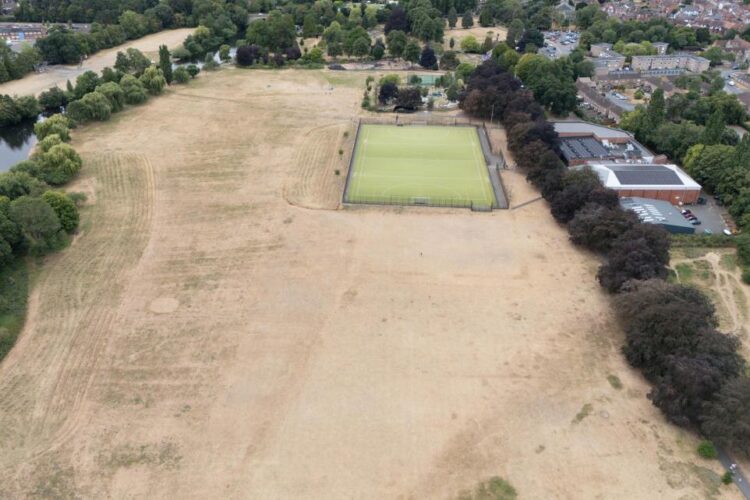
It is the fourth time this summer that temperatures have soared to heatwave levels, with record-breaking temperatures for the month in both May and June and another significant hot spell in mid-July.
July has been 3C above average across the UK, according to provisional Met Office data on the month so far, potentially putting it among the hottest three or four months of July on record.
And southern England has had just 1% of its average July rainfall, while England has had 5% and the UK as a whole 20%, according to the Met Office.

AD: Capeesh Restaurant
The heat and ongoing dry conditions pose risks to health, and have led to hosepipe bans for 23 million customers, while even water companies without bans in place are telling households to conserve water.
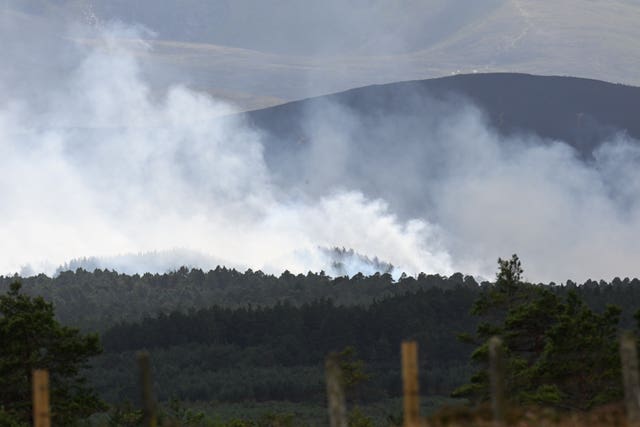
Drought has been declared across a swathe of Wales, crops and livestock grazing are under pressure and the UK is braced for further wildfires.

AD: Oysterian Sea Food Restaurant And Bar
An assessment for this week from the Met Office show that by Wednesday fires could be exceptionally severe if they start in parts of London, the South East and eastern England, as a result of the hot, dry conditions.
The third heatwave in mid-July left firefighters battling 19 significant blazes simultaneously in England and Wales, while the Cairngorms in Scotland have been hit by a major wildfire.
Blazes have wrought destruction in mainland Europe this week, with 220,000 people forced out of their homes in south-west France and 116,000 evacuated in Spain.
London Fire Brigade said it had faced a busy weekend, with more than 1,300 incidents including grass fires, property fires and rescuing a person from the Thames, as it urged people to avoid disposable barbecues, dispose of smoking materials and put litter in the bin or take it home to avoid starting wildfires.
Across the UK – and Europe, the world’s fastest warming continent – people are facing the rising risk of extreme weather such as heat and drought, fuelled by human-caused climate change, mostly as a result of burning fossil fuels.
Some parts of the UK had rain over the weekend, mainly in the north and northwest, with 33mm (1.3in) falling on Sunday at Charterhall, in the Scottish Borders, and Altnahinch Filters in Co Antrim, Northern Ireland, receiving 17mm (0.7in).
But mainly places missed out and stayed largely dry, the Met Office said, with little, if any, relief in some southern regions,.
And the summer heat will return this week.
Met Office deputy chief forecaster Gregory Wolverson said: “This is a short-lived spell of heat, but temperatures will climb quickly through the first half of the week, particularly in the South East.
“By Wednesday, some areas could see temperatures in the mid-30Cs, and while the heat will not be widespread across the whole of the UK, it will be enough for parts of the South East to likely meet official heatwave criteria by Thursday.
“Elsewhere, the weather will be more changeable, and the change to cooler, more unsettled conditions will arrive sooner from the north and west, with a mix of sunshine and showers.
“Across northern areas, it is possible there will be heavier showers with a small risk of isolated thunderstorms through the week.”
The UK Health Security Agency (UKHSA) warned that the rising temperatures may increase health risks, particularly for vulnerable groups.
The UKHSA said: “The existing yellow heat-health alert for the East Midlands, East of England, South East and London has been upgraded to amber and will be in place from 9am on Tuesday 28 July until 9am on Thursday 30 July.
“A yellow heat-health alert will remain in place for Yorkshire and the Humber, West Midlands and South West regions for the same time period.
“There is no alert in place for the North East and North West regions.”