
By James Simons-
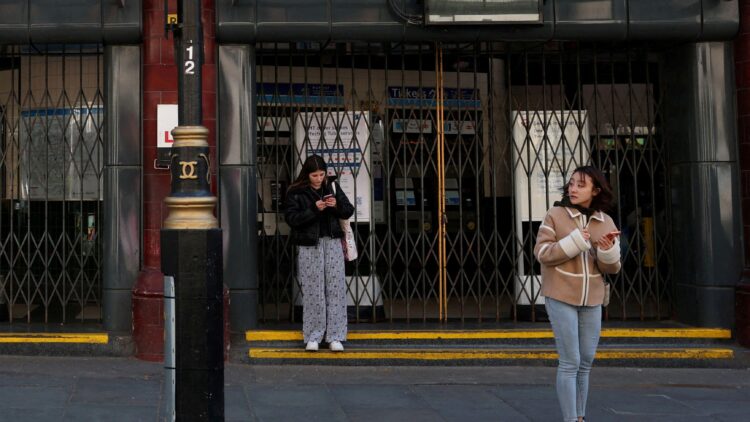
Planned strike action on the London Underground will go ahead after last-ditch negotiations between Transport for London (TfL) and the Rail, Maritime and Transport (RMT) union failed to reach a breakthrough, triggering expectations of major disruption across the capital this week.
The walkouts, scheduled for Tuesday and Thursday, will involve thousands of Tube drivers and are expected to severely impact services across much of the network, with some lines shutting down completely and others operating a heavily reduced timetable.

AD: Capeesh Restaurant
The decision to proceed follows several hours of talks mediated by the Advisory, Conciliation and Arbitration Service (Acas), which ended without agreement.
According to reporting from multiple outlets, including live coverage of the developing dispute, the breakdown in negotiations confirms what many commuters had feared after days of uncertainty over whether industrial action could still be averted at the eleventh hour.
The RMT union has said the strikes are necessary due to unresolved concerns over working patterns linked to Transport for London’s proposed introduction of a voluntary four-day working week for Tube drivers.

AD: Oysterian Sea Food Restaurant And Bar
TfL insists the changes are optional and designed to improve work-life balance, but the union argues they could lead to longer shifts, fatigue, and reduced safety margins for staff in a safety-critical environment.
While the dispute enters a critical phase, TfL has expressed disappointment that talks did not produce a resolution, while union officials maintain that members were left with no alternative but to take industrial action after months of what they describe as insufficient engagement on core issues.
Dispute over working patterns and safety concerns
At the heart of the dispute is TfL’s plan to introduce a new working pattern for London Underground drivers, which would allow staff to work a four-day week on a voluntary basis while maintaining contractual hours. Under the proposal, drivers would work longer shifts across fewer days, with TfL arguing the change could improve scheduling flexibility and work-life balance.
However, the RMT strongly opposes the plan, warning that extended daily shifts under the proposed arrangements could increase fatigue and raise safety concerns in one of the world’s busiest metro systems. The union has called for a reduction in the working week to around 32 hours over four days without increasing daily workloads, arguing this would better protect staff wellbeing and safety.
Transport for London, however, has said its proposals are designed to be voluntary and part of wider efforts to modernise working practices while ensuring the Underground remains financially sustainable and operationally efficient, particularly given long-term staffing and service delivery pressures across the network.
The disagreement has already triggered multiple rounds of negotiations and previous threats of strike action, some of which were suspended earlier this year to allow further talks. Despite those pauses, both sides now appear entrenched, with little sign of compromise emerging before the latest deadline.
Report outlets indicates that the final Acas-mediated talks lasted several hours but ended without meaningful progress, leaving the strike plans in place and commuter uncertainty unresolved.
TfL has described the outcome as “bitterly disappointing,” stressing that the proposed changes remain voluntary and would not force staff into altered contracts. The transport authority has also argued that modernising shift patterns is essential to improving operational efficiency and meeting long-term staffing challenges across the Underground network.
The RMT, however, disputes that framing, arguing that “voluntary” arrangements in practice can become standardised over time, leading to increased pressure on staff to adopt longer working days. The union has also raised broader concerns about staffing levels across the network, claiming that reductions in recent years have already placed additional strain on remaining employees.
Transport for London has warned that the strikes will cause widespread disruption across the Tube network, with some lines expected to shut entirely on strike days and others operating limited and inconsistent services. Key central lines are likely to be among the most affected, while services that do run are expected to start later, finish earlier, and carry significantly fewer passengers than normal.
According to TfL operational guidance, passengers are being advised to avoid travelling during peak disruption windows, with reduced services expected early in the morning and again in the evening. The organisation has also indicated that passengers should complete journeys earlier in the evening on strike days due to the likelihood of last-train cutoffs being brought forward.
While the London Underground will be heavily affected, other transport systems such as the Elizabeth line, London Overground, buses, and Docklands Light Railway are expected to remain operational, though significantly busier than usual due to passenger displacement from the Tube network.
Past industrial action on the Underground has shown how quickly demand shifts to alternative services, often resulting in overcrowding and delays even on unaffected routes. Analysts warn that similar conditions are likely this week, particularly during peak commuting hours when passenger volumes are highest.
The disruption is also expected to have wider economic consequences for the capital. Previous Tube strikes have been linked to significant losses for London’s economy, with businesses reporting sharp declines in footfall, particularly in central areas where commuter traffic is heavily affected.
Hospitality and retail sectors have warned of reduced takings on strike days, while employers have cited delays to staff journeys, missed or postponed meetings, and wider logistical challenges as normal commuting patterns are disrupted across the city. These impacts have been widely reported during earlier rounds of industrial action on the Underground network.
Commuters and businesses have expressed frustration at the timing of the strikes, particularly given that talks had continued until the final hours in an effort to prevent disruption. However, both TfL and the RMT have indicated that significant differences remain unresolved, making a last-minute resolution unlikely without further concessions from either side.
The capital prepares for two days of widespread travel disruption, attention is now shifting to whether further negotiations will take place after the strikes, and whether either side will be willing to revisit their positions in order to prevent additional industrial action later in the year.
London faces the prospect of another major shutdown on its Underground network, with commuters urged to plan ahead, allow extra time for journeys, and expect severe delays across the transport system.

AD: Heritage And Restaurant Lounge Bar