
By Isabelle Wilson-
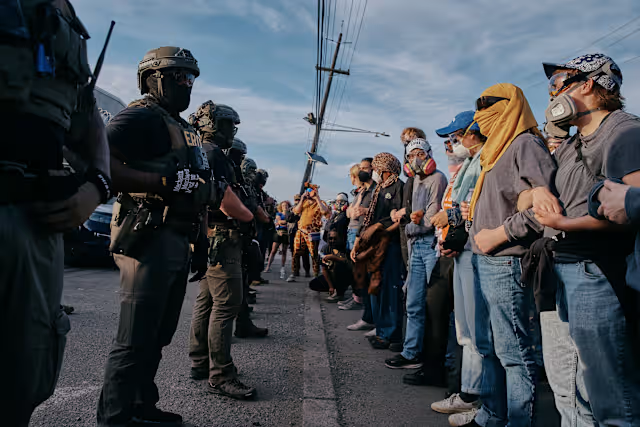
Six protesters were arrested after chaotic confrontations erupted outside a federal immigration detention center in Newark, where demonstrators clashed with Immigration and Customs Enforcement officers amid growing outrage over conditions inside the facility.
The unrest unfolded outside Delaney Hall, a privately operated immigration detention center that has become the focus of escalating protests, hunger strike allegations, and mounting political tension over federal immigration enforcement policies.

AD: Capeesh Restaurant
Witnesses described scenes of shouting, pushing, pepper spray deployment, and physical scuffles as protesters attempted to block vehicles entering and leaving the compound late Tuesday night and into Wednesday morning.
Federal officials confirmed multiple arrests after demonstrators allegedly obstructed law enforcement operations and refused orders to disperse. Protesters, meanwhile, accused ICE officers of using excessive force and escalating what organisers insisted began as a peaceful demonstration supporting detainees inside the facility.
According to reports from local media and national outlets, tensions intensified after groups of protesters gathered near facility gates demanding access for attorneys, medical personnel, and elected officials. Demonstrators also called for the release of detainees reportedly participating in a hunger strike over conditions inside Delaney Hall.

AD: Oysterian Sea Food Restaurant And Bar
Videos circulating online showed ICE officers in riot gear using pepper spray and batons to push back crowds gathered along access roads outside the detention center. Protesters could be heard chanting anti-ICE slogans while attempting to form barricades with traffic cones and temporary fencing. Several demonstrators were seen being restrained and handcuffed during the confrontation.
The Department of Homeland Security claimed some protesters assaulted officers with an “unknown chemical substance” during the clash, allegations that organisers strongly denied. Federal authorities said those arrested could face charges including assault on federal officers, obstruction, and disorderly conduct.
The demonstrations outside Delaney Hall began earlier this week after reports emerged that detainees inside the center had launched a hunger and labor strike to protest alleged overcrowding, poor sanitation, inadequate food, and delayed immigration proceedings. Advocacy groups claim between 300 and 400 detainees have refused meals or work assignments in recent days.
Federal officials have denied those allegations, insisting the facility meets all required detention standards. Homeland Security officials described claims of widespread abuse and mass hunger strikes as politically motivated misinformation amplified by activists and Democratic lawmakers.
Still, several members of Congress who visited the facility publicly disputed the federal government’s account. Representatives Jerry Nadler, Dan Goldman, and Adriano Espaillat described what they called “inhumane” conditions inside the detention center, citing reports from detainees alleging spoiled food, lack of medical care, and unsanitary living spaces.
Political Pressure Intensifies Around Delaney Hall
The protests have rapidly transformed into a broader political flashpoint in New Jersey and beyond, exposing deep divisions over immigration enforcement during President Donald Trump’s second administration.
Democratic lawmakers and immigrant advocacy organisations have condemned the federal response at Delaney Hall, while Republican officials have defended ICE operations and accused protesters of interfering with lawful federal activity.
The confrontation gained national attention earlier this week after Senator Andy Kim of New Jersey was reportedly exposed to pepper spray while attempting to observe conditions near the facility during a demonstration. Kim later criticised federal officers for what he described as unnecessarily aggressive crowd control tactics.
New Jersey Governor Mikie Sherrill also visited the area during the protests but was reportedly denied entry into the detention facility. The governor later accused federal authorities of failing to provide transparency regarding detainee treatment and called for independent oversight of conditions inside the center.
Outside Delaney Hall, the atmosphere remained tense Wednesday evening as additional demonstrators gathered despite heavy federal security presence. ICE agents erected temporary barricades while local police redirected traffic around surrounding industrial roads near Newark Bay.
Community organisations and immigrant rights groups said the arrests would likely intensify demonstrations rather than discourage them. Several organizers announced plans for additional rallies and vigils throughout the week, framing the confrontation as part of a larger national movement opposing expanded immigration detention operations.
The protests also reflect broader national unrest surrounding ICE enforcement tactics in major cities across the United States. Similar demonstrations have erupted in New York, Minneapolis, Los Angeles, and San Francisco in recent months following controversial immigration raids and confrontations involving federal agents.
Residents living near Delaney Hall described hearing helicopters, sirens, and loud chanting throughout the night as the confrontation unfolded. Some local business owners expressed frustration over blocked roads and escalating tensions, while others voiced support for the demonstrators and concern about the growing use of detention facilities in the region.
The Geo Group, the private corporation operating Delaney Hall under federal contract, has faced repeated criticism from immigration advocates over conditions in detention centers nationwide. Company representatives have defended operations at the Newark facility, stating that all detainees receive medical care, meals, and legal access in accordance with federal standards.
Online reaction to the Newark protests has been deeply polarized. Supporters of the demonstrations described the arrests as evidence of excessive federal force against peaceful activists, while critics accused protesters of provoking confrontation and obstructing law enforcement operations. Videos shared across social media platforms showed conflicting interpretations of the same incidents, further fuelling political debate.
Immigration attorneys representing detainees inside Delaney Hall said communication with clients has become increasingly difficult amid the protests and security lockdowns. Some families claimed they had gone days without hearing from relatives detained at the facility.
Civil rights organisations are now calling for independent investigations into both the reported detention conditions and the conduct of federal officers during the clashes. Legal observers say the arrests could trigger additional court challenges involving protest rights, federal detention oversight, and the use of force by immigration authorities.
Night fell over Newark on Wednesday, federal vehicles continued moving in and out of Delaney Hall under heavy guard while protesters regrouped nearby holding signs, candles, and megaphones. Though the immediate confrontation had subsided, tensions surrounding the detention center showed little sign of easing.
Many demonstrators gathered outside the razor-wire fences, the arrests represented more than a single night of conflict. They viewed the confrontation as part of a larger struggle over immigration policy, civil liberties, and the expanding role of federal enforcement in American cities a debate that appears increasingly likely to intensify in the months ahead.

AD: Heritage And Restaurant Lounge Bar