
By Charlotte Webster-
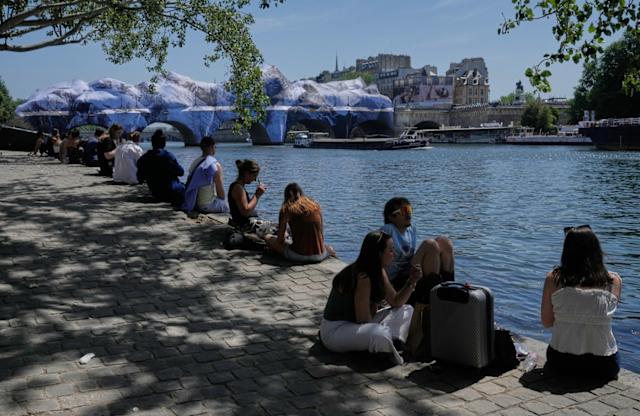
Europe is enduring an extraordinary spell of heat more commonly associated with the height of summer, with record-breaking temperatures sweeping across the continent in May and prompting urgent health warnings after deaths at amateur sporting events in France.
Meteorologists say the unusually early heatwave is another sign of how climate change is reshaping Europe’s weather patterns, bringing extreme temperatures earlier in the year and placing mounting pressure on public health systems.

AD: Capeesh Restaurant
Across Britain, France, Spain and parts of central Europe, thermometers surged well beyond seasonal averages during the weekend and into Monday. In the United Kingdom, temperatures climbed above 34 degrees Celsius in parts of London and southeast England, smashing long-standing May records dating back more than 80 years.
Britain’s Met Office confirmed that Heathrow and Kew Gardens recorded unprecedented highs for the month, while overnight temperatures also remained unusually warm, offering little relief from the daytime heat.
The heat has intensified concerns among health officials and emergency responders, especially after two deaths linked to sporting events in France drew national attention.

AD: Oysterian Sea Food Restaurant And Bar
French authorities reported that a 53-year-old runner died during a race in Paris over the weekend, while another participant in a separate event in Lyon reportedly succumbed to heat stroke. Although investigations into the precise causes continue, officials believe the soaring temperatures may have played a critical role.
French Sports Minister Marina Ferrari urged caution, warning that physical activity during extreme heat requires “absolute vigilance.” Emergency crews across France treated numerous people for dehydration, heat exhaustion and cardiovascular distress during races and outdoor gatherings.
Similar warnings were issued in Britain, Spain and Italy, where authorities advised residents to avoid strenuous exercise during the hottest hours of the day. The heatwave has arrived weeks earlier than usual, catching many communities off guard. Schools, care homes and hospitals in several countries have begun implementing emergency protocols more commonly seen in July or August.
Public health agencies have warned that vulnerable populations including older adults, children and people with chronic illnesses face heightened risks as temperatures continue climbing.
Meteorologists say the current conditions are being driven by a powerful “heat dome,” a weather system in which high pressure traps hot air over a region for prolonged periods.
Warm air moving north from Morocco and North Africa has become locked over western Europe, creating stagnant and increasingly dangerous conditions. Forecasters in France said temperatures in some regions were running 12 to 13 degrees Celsius above normal for late May.
Scientists increasingly link such extreme weather events to climate change. Europe is currently the world’s fastest-warming continent, according to recent assessments from the World Meteorological Organisation and the European Union’s Copernicus Climate Change Service.
Their latest report found that nearly all of Europe experienced above-average heat in 2025, with worsening droughts, wildfires and heatwaves becoming more frequent.
Sports Events Raise Alarm Over Early-Season Heat Risks
The deaths during amateur sporting events in France have become a stark reminder of the dangers posed by early-season heat. Unlike athletes competing in midsummer, many amateur participants may not yet be acclimatised to intense temperatures in May, experts say.
Doctors and sports physiologists warn that heat stress can rapidly overwhelm the body during endurance events, particularly when humidity and direct sunlight are also factors.
In Paris, emergency responders struggled to revive the runner who collapsed during a race in the capital’s 20th arrondissement. Reports from local media indicated that multiple participants required medical attention as temperatures soared during the event.
French officials have since urged organisers of outdoor competitions to strengthen heat protocols, including earlier start times, additional hydration stations and contingency plans for cancellations.
Concerns extend beyond France. In Britain, officials issued amber health alerts covering London and much of southern England. Hospitals reported increased admissions related to dehydration and respiratory distress as temperatures climbed to levels rarely seen so early in the year.
Health experts warned that the combination of daytime heat and unusually warm nights poses a particular danger because the body is unable to cool effectively during sleep.
Climate researchers say these episodes are no longer isolated anomalies. Studies examining recent European summers have found tens of thousands of heat-related deaths across the continent in recent years. One major study estimated that more than 61,000 people died during Europe’s record-breaking summer heatwaves in 2022 alone.
Sports organisations are also reevaluating the future of outdoor competition in increasingly hot conditions. Earlier this month, climate scientists and player unions warned that extreme heat could threaten the safety of athletes and spectators during major international tournaments, including future football World Cups.
Researchers have highlighted rising “wet bulb” temperatures a measure combining heat and humidity as a growing concern for endurance and team sports alike.
The broader economic and social effects of the heatwave are already becoming visible. In Spain, temperatures nearing 40 degrees Celsius have increased pressure on electricity grids as households rely more heavily on cooling systems.
Farmers in parts of France and Portugal are expressing fears about crop damage after an unusually dry spring, while firefighters in southern Europe remain on alert for early-season wildfires.
Transport systems have also been strained. Rail operators in Britain and France warned of possible delays due to overheating tracks, while city authorities in several countries opened temporary cooling centers for vulnerable residents. Some schools adjusted schedules or allowed students to remain indoors during peak afternoon temperatures.
Climate Change Pushes Europe Into a New Reality
With climate scientists, the timing of this heatwave may be as alarming as the temperatures themselves. Historically, Europe’s most dangerous heat events have occurred in July or August. But researchers say climate change is extending the heatwave season into spring and autumn, increasing both the frequency and duration of extreme conditions.
Meteorological agencies across Europe have emphasised that what once would have been considered exceptional is becoming increasingly common. Météo-France warned that episodes of intense heat are arriving “earlier and earlier” each year, while the UK Met Office stated that climate change has made record-breaking May temperatures significantly more likely.
The continent’s vulnerability was exposed during previous heat disasters, including the devastating European heatwaves of 2003, 2022 and 2025, all of which caused thousands of deaths and severe economic disruption.
“Experts warn that densely built cities such as Paris, London and Madrid are especially vulnerable to the urban heat island effect, in which concrete, asphalt and tightly packed infrastructure trap heat and keep nighttime temperatures dangerously high.”
Governments are now facing growing pressure to adapt infrastructure and public health systems to a warming climate. Proposals under discussion include expanding green spaces in cities, improving building insulation, introducing stricter workplace heat protections and upgrading hospitals and care homes with cooling systems.
Environmental campaigners argue that adaptation alone will not be enough. They say governments must accelerate efforts to reduce greenhouse gas emissions in order to limit future warming and avoid even more severe heatwaves in coming decades.
Forecasters say much of western Europe is likely to remain under intense heat for several more days. Temperatures are expected to stay above seasonal averages across France, Spain and the United Kingdom through the week, with additional records possible before cooler air finally arrives. Officials are warning that the continent may be witnessing not a temporary anomaly, but a preview of a hotter and more dangerous future.

AD: Heritage And Restaurant Lounge Bar