
By Tony O’Reilly-
Cuba’s long-standing ration book system, once a pillar of the socialist state’s promise of food security, is now at the centre of a deepening humanitarian and economic crisis.
Across the island, families are finding that the small government-issued “libreta” no longer guarantees even the most basic staples, as shortages worsen and shelves in state-run shops stand increasingly empty. What was once designed to ensure universal access to food has become, for many, a symbol of scarcity and survival.

AD: Capeesh Restaurant
The ration book system was introduced in the early 1960s under Fidel Castro and was intended to provide heavily subsidised monthly allocations of essentials such as rice, sugar, beans, and cooking oil.
But after decades of economic decline, inflation, and supply disruptions, the system has steadily eroded. Today, Cubans say the quantities have shrunk so dramatically that they can no longer rely on it for sustenance.
Recent reporting from the Associated Press highlights the scale of the crisis, describing ration book supplies as “shrinking” and noting that many Cubans now say they cannot survive on state-provided goods alone. In Havana and other cities, residents describe long gaps in supply deliveries, empty shelves in bodegas, and increasing dependence on informal markets or remittances from relatives abroad.

AD: Oysterian Sea Food Restaurant And Bar
The deterioration of the system is closely tied to Cuba’s broader economic collapse. Inflation, reduced imports, fuel shortages, and chronic currency instability have weakened the government’s ability to maintain even basic distribution networks.
A recent analysis noted that basic goods are increasingly priced in foreign currency, particularly US dollars, placing them out of reach for the majority of citizens earning state salaries.
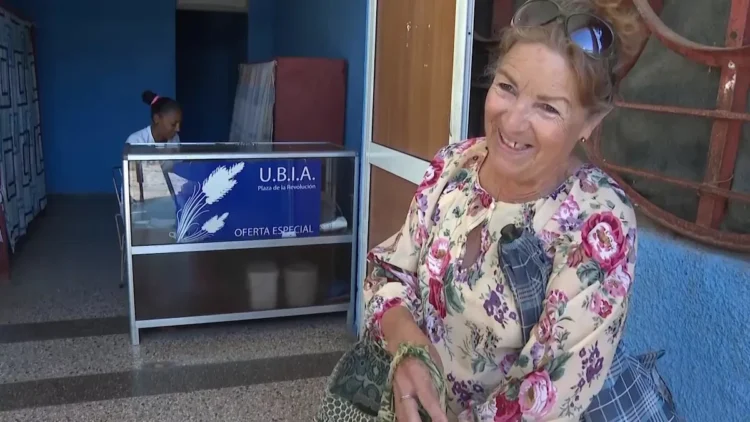
In neighbourhood ration shops, known locally as “bodegas,” the contrast between past expectations and present reality is stark. Older Cubans recall a time when the monthly ration ensured a predictable supply of staples that could feed families for weeks. Today, those same shops often have limited stock or none at all. In some cases, items listed on ration cards simply never arrive.
Many Cubans now describe the system as insufficient even for basic survival, with one resident quoted as saying, “No Cuban can truly survive on the products from the ration book anymore.” That sentiment reflects a broader collapse in public trust in the system, which was once a defining feature of daily life in the country.
The shortages are not limited to food alone. Basic hygiene products such as soap and toothpaste are also increasingly scarce. Imported goods, which Cuba relies on for a significant portion of its consumption, have become harder to secure due to foreign currency shortages and declining state revenues. Economists point to structural inefficiencies, combined with external pressures and sanctions, as key contributors to the crisis.
The government has attempted partial reforms, including proposals to shift from product-based subsidies to direct financial assistance. However, implementation has been slow, and the effects have not yet been felt by most households. Meanwhile, inflation continues to erode purchasing power, leaving even those with access to private markets unable to afford sufficient food.
Daily life for many Cubans now revolves around improvisation. Families rely on informal exchanges, small-scale agriculture, and remittances sent from abroad. But not everyone has access to those lifelines. Elderly citizens and those without relatives overseas are among the hardest hit, often forced to rely on minimal state provisions or charitable support.
The worsening food situation is widely seen as part of Cuba’s broader economic breakdown. Recent reporting has highlighted how fuel shortages, energy instability, and declining agricultural output have combined to reduce domestic food production while simultaneously limiting imports.
Farmers across the country have struggled to maintain production levels, with some reverting to traditional methods due to lack of machinery and fuel.
This agricultural strain feeds directly into the ration system’s inability to function. Without sufficient domestic supply or import capacity, the government cannot maintain consistent distribution of basic goods. A result, ration book allocations are often delayed, reduced, or unavailable entirely.
The impact is especially visible among vulnerable populations. Elderly Cubans, many of whom rely heavily on rationed goods, are increasingly dependent on external assistance. Reports from recent weeks describe retirees surviving on extremely low pensions and relying on charity meals or family support to meet daily needs.
The situation recalls the “Special Period” of the 1990s, when the collapse of Soviet support triggered widespread shortages and severe economic hardship. However, some residents now argue that current conditions are even more difficult due to the combination of inflation, currency instability, and reduced state capacity.
In response to growing criticism, officials have acknowledged the strain on the system but continue to emphasise external factors, including sanctions and global supply disruptions. Critics argue that decades of underinvestment and structural inefficiencies have left the country ill-prepared for sustained economic shocks.
International observers note that Cuba imports a large share of its food, making it particularly vulnerable to global market fluctuations and currency shortages. When foreign exchange reserves decline, the government prioritises essential imports such as fuel, often at the expense of food and consumer goods.
Ration book supplies continue to dwindle, and private markets where goods are available remain unaffordable for most citizens. The gap between state provision and actual need has widened significantly, leaving many households in a precarious position.
With ordinary Cubans, the ration book no longer represents security but scarcity. Its shrinking contents reflect a broader reality in which economic instability has become part of daily life. With each passing month, the question is no longer whether the system will recover, but how long families can continue to survive within it.
Attention is turning toward whether meaningful reforms can be implemented or whether Cuba’s historic ration system will continue its gradual decline into irrelevance.
Millions remain dependent on it even as it provides less and less. Policymakers in Havana have signalled awareness of the system’s mounting strain, but proposed adjustments have so far failed to keep pace with the speed of deterioration on the ground.
Economists say any durable solution would likely require a combination of expanded domestic production, increased foreign currency inflows, and structural changes to how food is imported and distributed none of which can be achieved quickly under current conditions.
International analysts point to the political sensitivity surrounding any attempt to overhaul the ration book system, which remains a symbol of social equity in Cuba despite its weakening effectiveness. Reducing or replacing it risks public backlash, particularly among older citizens who depend on it most. Authorities have often opted for incremental adjustments rather than sweeping reform.
Meanwhile, everyday reliance on the system continues even as its reliability declines. Families queue for hours at state shops in hopes of receiving limited allocations, while supplementing shortages through informal markets or remittances. The gap between policy intent and lived reality is widening, leaving the ration system suspended between legacy and collapse.

AD: Heritage And Restaurant Lounge Bar