
By Isabelle Wilson-
Camp Mystic, the historic all-girls summer camp in Texas devastated by a deadly flood last year, has abruptly abandoned plans to reopen for the 2026 season following intense backlash from grieving families and mounting pressure from state lawmakers.
The decision, announced Thursday, marks a dramatic reversal for the camp’s operators, who had initially indicated they would resume limited operations despite ongoing investigations and legal challenges. Instead, officials confirmed they have withdrawn their application for a state operating license, effectively halting any possibility of reopening this summer.

AD: Capeesh Restaurant
The move comes nearly a year after a catastrophic flash flood swept through the camp over the Fourth of July weekend, killing 27 people 25 campers and two counsellors in one of the deadliest youth camp disasters in recent U.S. history.
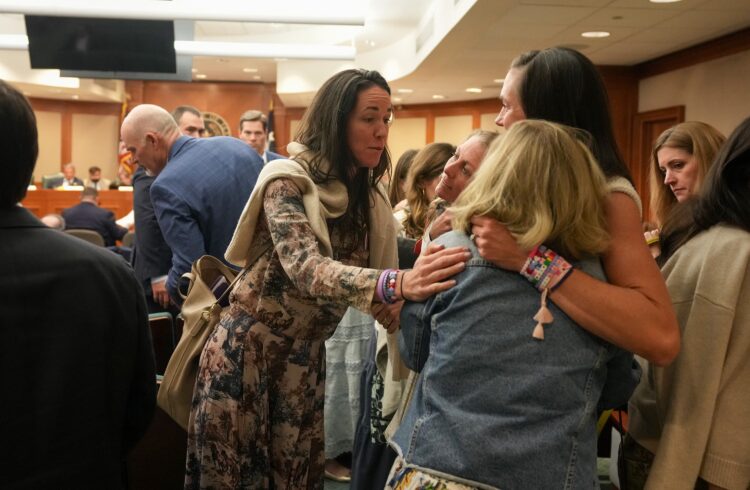
The initial plan to reopen had been seen as deeply insensitive. Emotional testimony in recent weeks, including from parents who lost children in the flood, painted a picture of unresolved grief compounded by anger over what they described as negligence and a premature push to resume operations.
State officials echoed those concerns. Texas lawmakers had openly questioned whether the camp should be allowed to operate at all before investigations are complete, with some suggesting regulatory changes to prevent similar situations in the future.

AD: Oysterian Sea Food Restaurant And Bar
The pressure campaign against reopening had intensified steadily in the weeks leading up to the decision. Families of victims, many of whom have filed lawsuits, argued that the camp had not yet fully answered critical questions about what went wrong during the flood and whether proper safety measures were ever in place.
Investigations by state authorities have only deepened those concerns. A review of the camp’s emergency preparedness found significant deficiencies, including inadequate evacuation planning, unclear staff responsibilities and insufficient training for handling extreme weather events.
Testimony before Texas lawmakers added further scrutiny, with investigators describing a lack of basic safety protocols and a failure to act on flood warnings in time to prevent the tragedy.
Against that backdrop, the camp’s attempt to reopen even partially became a focal point for broader questions about accountability. Critics argued that allowing operations to resume would risk undermining public trust and potentially expose new campers to unresolved safety risks.
Families also expressed concern that reopening could interfere with ongoing legal proceedings. In at least one case, a court ordered that parts of the camp remain unchanged to preserve evidence for investigations, further complicating any attempt to resume normal operations.
With the weight of public outrage, combined with regulatory uncertainty and legal constraints, appears to have made reopening untenable. In a statement, camp officials acknowledged the continuing grief of families and said it would be inappropriate to move forward while investigations are still underway.
A Broader Reckoning for Camp Safety
The decision to cancel the 2026 season carries implications far beyond Camp Mystic itself. The tragedy has already prompted a wider re-examination of safety standards for youth camps across Texas, with lawmakers considering stricter regulations and oversight requirements.
In the months since the flood, state agencies have reviewed emergency plans at camps statewide, identifying gaps in preparedness that officials say must be addressed before licenses are granted.
With Camp Mystic, the road ahead remains uncertain. Even before the withdrawal, regulators had flagged numerous deficiencies in its safety plans, raising doubts about whether it would have been approved to reopen at all.
Financially, the decision is also significant. The camp had enrolled hundreds of campers for the upcoming summer and stood to generate millions of dollars in revenue. But those considerations ultimately appear to have been outweighed by the reputational and ethical challenges posed by reopening too soon.
However, the cancellation is less about economics and more about recognition. Many have framed the decision as a necessary step toward accountability, even if it comes after months of advocacy and public pressure.
The episode highlights the complex intersection of grief, regulation and institutional responsibility in the aftermath of tragedy. It also underscores how public scrutiny amplified by legislative hearings and media attention can shape outcomes in cases where legal processes are still unfolding.
Camp Mystic’s withdrawal signals a pause a recognition that the path forward cannot simply involve a return to normal operations. Instead, it reflects a broader reckoning with the consequences of the past year, one that extends beyond a single camp to the wider systems responsible for ensuring the safety of children in recreational settings.
In the months since the disaster, scrutiny has expanded well beyond Camp Mystic itself, prompting deeper questions about how youth camps are regulated across Texas and by extension, the United States.
State agencies have begun reassessing licensing procedures, emergency preparedness standards and inspection protocols, with some lawmakers arguing that existing rules failed to account for increasingly severe weather patterns.
The flood that devastated the camp was not only sudden but intensified by environmental conditions that experts say are becoming more common, raising concerns about whether current safety frameworks are outdated.
At the centre of this reassessment is the issue of accountability. The decision to halt reopening is not an endpoint but a preliminary step toward a more comprehensive examination of responsibility.
Civil lawsuits are ongoing, and investigators continue to evaluate whether lapses in planning, communication or infrastructure contributed to the scale of the tragedy. These processes are likely to shape not only the future of Camp Mystic, but also legal precedents governing liability for similar institutions.
The pause also creates space for cultural reflection within the summer camp industry. Camps have long marketed themselves as environments of independence and adventure, often in remote or nature-focused settings. Yet the events of the past year have exposed the tension between that ethos and the need for rigorous safety systems.
Operators across the country are now confronting difficult questions about how to balance those priorities without undermining the core experience they offer.
While regulators, the challenge lies in translating public outrage into durable policy changes. Proposals under discussion include stricter requirements for evacuation planning, real-time weather monitoring systems and mandatory coordination with local emergency services. Some lawmakers in Texas have also suggested increasing penalties for noncompliance, signalling a tougher stance on enforcement.
The emotional dimension of the tragedy continues to shape the conversation. Memorial efforts, anniversaries and ongoing community support initiatives ensure that the human cost remains at the forefront.
Families that were affected, the idea of “moving on” remains distant, and any future decisions about the camp’s operations will likely be judged against the standard of whether meaningful change has occurred.

AD: Heritage And Restaurant Lounge Bar