
By Kenneth Williams-
The United Arab Emirates’ decision to withdraw from OPEC has sent shockwaves through global energy markets at a moment of heightened geopolitical strain, coinciding with stalled negotiations between the United States and Iran that have further clouded the outlook for oil stability.
The twin developments underscore growing fractures in both energy diplomacy and Middle East security architecture, with analysts warning of prolonged volatility in crude markets and deepening strategic realignments among major powers.

AD: Capeesh Restaurant
The UAE, one of OPEC’s most influential producers, confirmed on Tuesday that it will formally exit the Organisation of the Petroleum Exporting Countries after more than five decades of membership, a move widely interpreted as a structural shift in how Gulf states engage with global oil governance.
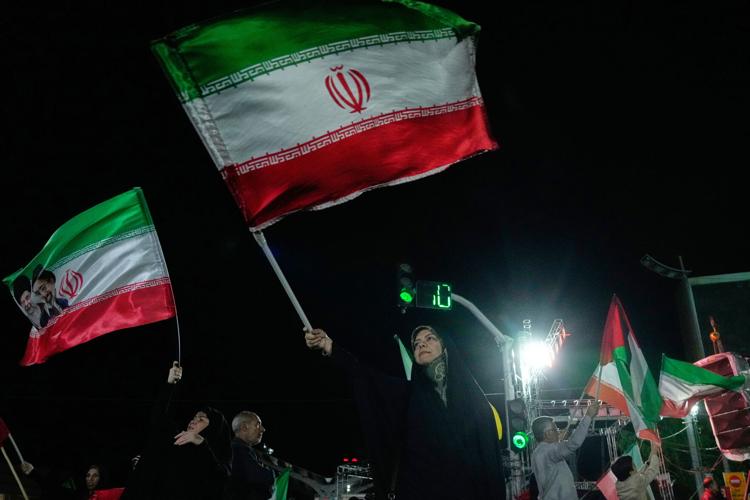
Diplomatic efforts led by Washington to revive dialogue with Tehran appear to have lost momentum, raising fears that tensions could escalate further in a region already disrupted by conflict and supply chain uncertainty.
A Strategic Split from OPEC Amid Regional Energy Shock
The UAE’s withdrawal marks one of the most significant fractures in OPEC’s modern history, removing a country that has long played a balancing role between Saudi-led production policy and its own ambitions to expand output capacity.

AD: Oysterian Sea Food Restaurant And Bar
According to multiple reports, the decision takes effect from May 1 and follows years of internal disagreement over production quotas and long-term investment flexibility within the cartel.
Energy analysts say the move reflects Abu Dhabi’s growing desire to pursue an independent production strategy, particularly as global demand patterns shift and the country invests heavily in expanding its upstream capacity. State-linked commentary has framed the exit as a “policy decision” aligned with national economic priorities rather than a sudden geopolitical rupture.
However, the timing of the announcement amid heightened instability in the Strait of Hormuz and ongoing disruption linked to the Iran conflict has amplified its impact on markets. Oil prices briefly surged above $100 per barrel following the news, reflecting concerns about reduced coordination among major producers at a time when supply routes remain vulnerable.
Some analysts argue that the departure may weaken OPEC’s ability to manage supply discipline, particularly as the UAE has been one of the few members with meaningful spare production capacity. The loss of that flexibility could shift greater responsibility for price stability onto Saudi Arabia and a smaller group of remaining core producers.
Officials in Abu Dhabi have signalled that the decision is intended to allow for more responsive production policies outside the constraints of OPEC quotas. Reports suggest the country is aiming to align output more closely with long-term demand projections and domestic investment goals, rather than collective output agreements that have periodically constrained expansion plans.
The broader significance of the move lies not only in immediate production implications but in what it signals about fragmentation within long-standing energy alliances. OPEC, founded in 1960 and long dominated by Gulf coordination, now faces a more complex environment in which key members are increasingly willing to prioritise national strategies over collective discipline.
While energy markets were reacting to the UAE announcement, diplomatic channels between Washington and Tehran were also showing signs of strain, with negotiations over regional de-escalation and nuclear-related issues reportedly losing traction. The breakdown in momentum has added another layer of uncertainty to an already volatile geopolitical landscape that is directly influencing global oil prices.
The stalling talks come at a sensitive moment, as the wider Middle East continues to experience elevated tensions linked to military activity in and around key shipping corridors. Disruptions in the Strait of Hormuz a critical chokepoint for global oil and liquefied natural gas flows have already contributed to price volatility and supply concerns among major importers.
Diplomatic observers say the lack of progress in US–Iran discussions is reinforcing market fears that the region could be entering a prolonged phase of instability rather than a short-term crisis. The absence of a clear diplomatic pathway has also complicated efforts by energy producers to plan output strategies with confidence, particularly as shipping risks and insurance costs remain elevated.
The simultaneous breakdown in talks and the UAE’s exit from OPEC have created what analysts describe as a “dual shock” to both political and energy systems. One is structural, reshaping how oil producers coordinate supply; the other is diplomatic, removing a potential off-ramp for regional tensions that continue to threaten key infrastructure and trade routes.
Some market analysts argue that these developments are now reinforcing each other. Reduced coordination among producers increases price sensitivity to geopolitical events, while stalled diplomacy heightens the likelihood of further disruptions that could feed directly into energy markets.
International reaction has been cautious, with governments and energy agencies monitoring the situation closely rather than issuing formal responses. The focus remains on market stability, particularly as global inflation pressures remain sensitive to fluctuations in oil prices.
The combination of the UAE’s departure from OPEC and the absence of progress in US–Iran negotiations is increasingly being interpreted as more than a coincidental overlap of energy and diplomacy shocks. Instead, it is beginning to resemble a structural inflection point in how global oil governance and Middle East geopolitics may function going forward.
With one of OPEC’s most significant producers stepping outside the cartel framework and diplomatic channels between Washington and Tehran failing to regain momentum, the traditional mechanisms that have long underpinned stability in oil markets appear to be under strain.
Recent analysis suggests the UAE’s exit reflects a broader fragmentation in coordinated production control, weakening the collective influence that OPEC has historically exercised over global supply management.
That shift is occurring at a time when supply routes through the Strait of Hormuz remain highly sensitive due to regional conflict risks, amplifying the market impact of any policy divergence among major producers.
Stalled US–Iran talks remove a key diplomatic pressure valve that markets have often relied on to price in de-escalation scenarios. When negotiations previously showed signs of progress, crude prices tended to soften on expectations of reduced geopolitical risk.
The current impasse is doing the opposite, reinforcing a persistent “risk premium” in energy markets as traders price in the possibility of prolonged instability.
Together, these developments are feeding into a broader reassessment of predictability in global energy systems. Rather than a unified supply structure anchored by OPEC coordination and periodic US–Iran diplomatic cycles, markets are increasingly facing a more fragmented environment where national strategies, regional conflicts and opportunistic production decisions interact in less predictable ways.
Whether this moment ultimately proves to be a temporary disruption or the beginning of a longer realignment will depend on several unresolved variables.
These include whether the UAE’s exit encourages similar moves by other producers, how quickly global supply chains adapt to reduced coordination, and whether diplomatic engagement between Washington and Tehran can be revived in a meaningful form.
Until then, energy markets are likely to remain highly reactive, with geopolitical developments continuing to exert outsized influence over pricing and supply expectations.

AD: Heritage And Restaurant Lounge Bar