
By Tony O’Reilly-
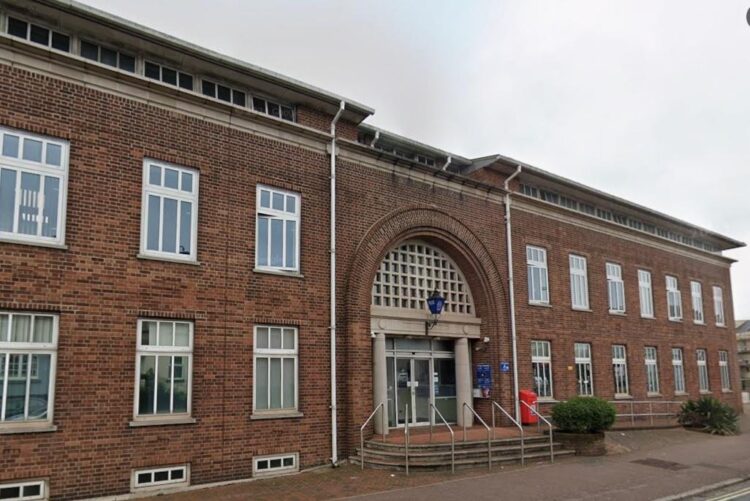
The death of 28-year-old Michael Carolan at Torquay police station has sparked a serious inquiry into police practices and prompted renewed scrutiny over deaths in custody in the United Kingdom. Three police officers are currently being investigated for gross misconduct following the incident, which occurred in the early hours of 15 January. According to the Independent Office for Police Conduct (IOPC), Carolan fell ill while in custody and was taken to hospital, where he was pronounced dead at 05:00 GMT.
The circumstances surrounding Carolan’s death remain under investigation, but the announcement has intensified a national conversation about the safety of detainees and the accountability of police forces. Deaths in custody, while statistically rare, have historically had a disproportionate impact on public trust in law enforcement, raising difficult questions about training, oversight, and systemic patterns that may contribute to fatal outcomes.

AD: Capeesh Restaurant
The IOPC, an independent body tasked with overseeing the conduct of police forces in England and Wales, confirmed that three officers are the focus of a gross misconduct investigation. Such investigations are undertaken when there is evidence to suggest serious breaches of professional standards, and they can lead to disciplinary hearings or even dismissal. While the IOPC has not released further details about the officers involved, its statement underscores the seriousness with which the agency treats deaths in custody.
Deaths in police custody are statistically infrequent, but each incident carries profound significance. According to Home Office data compiled over the past decade, the number of people who die in police custody annually ranges from 15 to 25. In 2022, there were 21 recorded deaths in police custody in England and Wales, a slight increase from 19 in 2021. These figures, while low in absolute terms, highlight that the issue is persistent and not confined to isolated incidents. Each death triggers scrutiny of procedures ranging from detention and medical monitoring to the use of restraint and officers’ response to signs of distress.
Michael Carolan’s death echoes concerns raised in several high-profile cases over the past five years. For instance, in 2021, the death of 33-year-old Sarah Everard in London, though not a custody case in the strictest sense, catalyzed public debate on policing practices and safety, showing how fatalities connected to police action or presence can provoke national attention. More directly comparable is the 2020 death of Christopher Kapessa, an 18-year-old who died after being restrained by police officers in Leeds. An inquest later found that Kapessa’s death could have been prevented with adequate medical intervention and careful monitoring during detention. Such cases illustrate the complex interplay between individual circumstances, procedural oversight, and systemic factors.

AD: Oysterian Sea Food Restaurant And Bar
Data from the IOPC also shows that individuals from minority backgrounds are disproportionately represented among those who die in custody. In 2021, Black, Asian, and minority ethnic (BAME) individuals accounted for approximately 28 percent of deaths in custody, despite representing a smaller proportion of the general population and the total number of detainees. This pattern underscores ongoing concerns about structural bias, differential treatment, and unequal access to appropriate medical care while in custody.
Medical emergencies in detention can escalate quickly, and officers are often the first responders in situations where timely intervention is critical. In Carolan’s case, the IOPC noted that he fell ill at the station before being transferred to hospital. This raises familiar questions about the adequacy of police training in identifying and responding to medical emergencies, as well as the role of paramedics and healthcare professionals in custody suites. According to recent reviews of deaths in custody, delays in medical response or insufficient monitoring of detainees with underlying health conditions have been recurring factors.
Independent experts argue that deaths like Carolan’s should prompt broader reforms. Dr. Louise Thompson, a specialist in criminal justice health, points out that while individual accountability is essential, systemic changes are equally urgent. “We know that repeated failures in monitoring detainees, recognizing signs of distress, and coordinating with healthcare professionals contribute to preventable deaths,” she said. “Every death in custody represents a failure not just of individual officers but of the system that places vulnerable people in their care.”
The IOPC’s involvement in the Carolan case follows a familiar pattern in which serious incidents in custody trigger independent oversight. Since its establishment in 2018 as the successor to the Independent Police Complaints Commission, the IOPC has overseen hundreds of investigations into deaths and serious injuries in custody, often leading to recommendations aimed at improving policy, training, and accountability mechanisms. In 2022, for example, the IOPC issued formal recommendations in six cases where failures in monitoring and medical response were identified, highlighting recurring vulnerabilities in police procedures.
Public reaction to deaths in custody is often swift and intense. Local communities and advocacy groups frequently demand transparency, independent investigations, and swift accountability. Following Carolan’s death, family members and community advocates have expressed shock and grief, calling for a full explanation of the circumstances that led to the tragedy. Historically, family involvement and public advocacy have been instrumental in bringing about institutional reforms, including updated restraint guidelines, improved medical oversight, and enhanced reporting mechanisms for detainees’ health concerns.
The context of Carolan’s death also includes the broader discussion around mental health and policing. According to the Prison Reform Trust, a significant proportion of people taken into police custody have underlying mental health issues or substance use disorders. These vulnerabilities can increase the risk of serious medical complications if not properly addressed. Reports from recent years indicate that failure to identify and manage such conditions has been a contributing factor in at least a quarter of deaths in custody over the past five years.
In addition to medical risks, the physical environment of police stations has been scrutinized. Custody suites are required to meet standards that facilitate safe monitoring and care, including adequate access to medical equipment, observation facilities, and trained personnel. Yet, inspections and reviews have repeatedly identified shortcomings in some facilities, from outdated equipment to insufficient staff training. The IOPC’s ongoing investigation will likely examine not only the actions of the individual officers but also the operational context in which Carolan’s death occurred.
International comparisons further emphasize the stakes of custody deaths. In the United States, for example, the death rate in police custody is markedly higher, partly due to differences in detention procedures, healthcare access, and systemic inequalities. By contrast, the UK has historically maintained relatively low rates, but even a single death can provoke national outrage and raise questions about policing culture and accountability. Within the UK, patterns over the past decade show that most deaths involve natural causes, though issues such as restraint, delayed medical intervention, or failure to identify vulnerability remain persistent factors.
The investigation into Carolan’s death also intersects with discussions of transparency and media reporting. Public confidence in police oversight hinges on timely disclosure of facts and independent evaluation. The IOPC’s statements, while limited in detail, signal a commitment to independent inquiry, yet advocates often call for fuller reporting on the sequence of events, officers’ actions, and findings from post-mortem examinations. Transparency not only supports accountability but also contributes to systemic learning and the prevention of future tragedies.
From a legal perspective, officers under investigation for gross misconduct face a range of potential outcomes. If misconduct is substantiated, consequences can include formal reprimands, dismissal, and in some cases criminal charges. Historical cases demonstrate that accountability can be complex and protracted, often involving lengthy internal investigations, legal challenges, and independent review. The timeline for conclusions in such cases can extend for months, reflecting the seriousness and intricacy of the issues involved.
The human dimension of Carolan’s death is inescapable. Families of those who die in custody often experience profound and lasting trauma, compounded by a sense of injustice and uncertainty. Advocacy organizations stress the need for compassionate engagement with families, clear communication, and access to independent support services. Over the past five years, initiatives designed to assist bereaved families have expanded, including legal guidance, mental health support, and mechanisms to participate meaningfully in inquiries and inquests.
Statistically, there are patterns in deaths in custody that provide important context. A review of cases over the last five years indicates that men aged 25 to 40 account for the majority of deaths, frequently involving underlying health conditions, intoxication, or mental health crises. The majority of incidents occur in metropolitan areas, reflecting both higher arrest volumes and demographic factors. Nonetheless, even smaller communities, such as Torquay, are not immune, and every incident reverberates through local communities, policing institutions, and national discourse.
The police service in the UK faces a dual challenge: ensuring effective law enforcement while safeguarding the welfare of those in its care. Deaths like that of Michael Carolan highlight the delicate balance between maintaining security and recognizing vulnerability. Systemic reforms—ranging from enhanced training to improved medical protocols—have been recommended repeatedly, yet implementation is uneven, and tragic outcomes continue to occur. Each case serves as both a cautionary tale and a call to action for policymakers, law enforcement leaders, and the public alike.
Questions about the adequacy of officer training, procedural safeguards, and institutional accountability are under high scrutiny in this case. The outcomes may influence not only the careers of the officers involved but also broader policing practices across England and Wales. Lessons drawn from similar cases—such as the 2020 death of Christopher Kapessa, the 2021 custody deaths highlighted in Home Office reports, and earlier high-profile cases—underscore the importance of both individual responsibility and systemic vigilance.

AD: Heritage And Restaurant Lounge Bar