
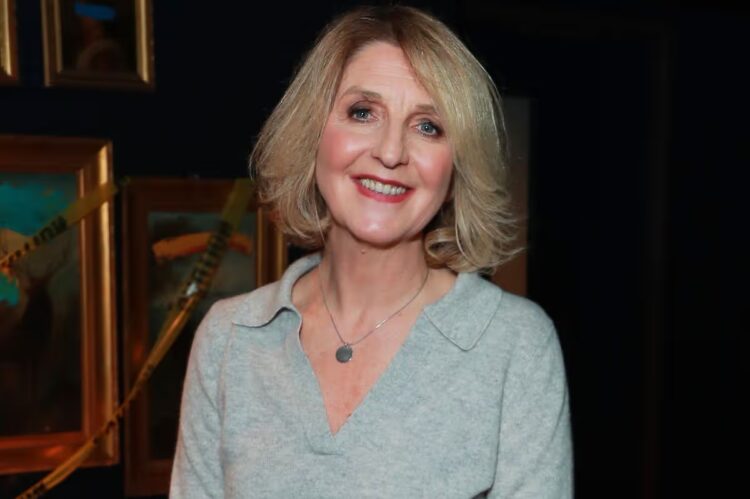
By Charlotte Webster-
Kaye Adams has vehemently rejected all claims of misconduct that led to her suspension and eventual departure from BBC Scotland. The 63‑year‑old broadcaster, whose career has spanned decades across radio and television, has described the allegations as deeply distressing and unfounded, insisting her reputation has been unfairly tarnished.
Adams, a familiar voice on the airwaves and a regular panellist on ITV’s Loose Women, found herself at the centre of a swirling controversy late last year after the BBC upheld three internal complaints against her.

AD: Capeesh Restaurant
The broadcaster was suspended from her morning radio show in October 2025 amid accusations of bullying colleagues and other inappropriate workplace behaviour. An internal probe reportedly upheld complaints including the use of offensive language toward a colleague, throwing a pen at a producer and verbally berating an intern.
In a statement shared with her followers on social media, Adams expressed that she was “heartbroken” by the allegations circulating about her conduct, stressing that many of the claims were untrue and malicious in nature. She specifically denied ever using a misogynistic slur that was cited in one of the upheld complaints, calling the suggestion “absolutely not a word I would have used”.
However, the issue goes beyond a clash of personalities; it has touched on broader debates about workplace culture, accountability in media organisations, and how institutions handle long‑running complaints against senior staff.

AD: Oysterian Sea Food Restaurant And Bar
While Adams maintains that her assertiveness has been mischaracterised as bullying, others argue that the BBC’s decision reflects a shift toward more robust handling of internal behaviour complaints.
In many years, Adams was a mainstay of Scottish radio. She began presenting on BBC Radio Scotland in 2010, initially hosting the daily phone‑in show Call Kaye, before moving on to front The Kaye Adams Show and Mornings with Kaye Adams. Through these programmes, she became a fixture in Scottish media, known for her forthright style and ability to navigate a wide range of topics.
Her departure marks the end of a 15‑year relationship with the broadcaster’s Scottish arm, and has sent ripples through UK broadcasting circles. In announcing that she would not be returning to her BBC role, the corporation cited confidentiality around personnel matters but emphasised its commitment to upholding professional ethical standards.
Complicating matters further, the Alzheimer’s Society, which had sponsored Adams’ podcast How to Be 60 with Kaye Adams, announced it was withdrawing its support in light of the upheld complaints. The charity said it was committed to maintaining strict ethical standards, a decision that underscored the reputational stakes for individuals implicated in workplace disputes.
Adams’ defenders stress that without access to the full details of the complaints, public perception of the situation remains incomplete and unfair. They argue that internal investigations are often opaque, leaving high‑profile figures exposed to damaging rumours without the chance to fully respond.
Indeed, Adams herself has said that her name has been “dragged through the mud”, reflecting her frustration at what she sees as an overly simplistic narrative about her career and intentions. She has also pointed to her long history in broadcast media and her popularity with listeners as evidence that her style if occasionally forthright was never inherently abusive or malicious.
The timing of these events has also fed into wider debates about the BBC’s handling of workplace culture. Over recent years, the broadcaster has faced criticism both from within and without, including notable disputes and staff grievances about discrimination, reporting bias and internal complaints procedures.
While these issues are distinct from Adams’ case, they contribute to a backdrop of scrutiny over how one of the UK’s most prominent media institutions manages internal conflict and public perception.
Public and Industry Reactions
Reaction to the Adams controversy has been sharply divided. Supporters of the presenter argue that the complaints reflect subjective interpretations of her conduct rather than objective evidence of wrongdoing. They suggest that her direct style, developed over a long career, may have clashed with evolving expectations around workplace behaviour without constituting actual misconduct.
Critics including some former colleagues and industry commentators claim that the upheld complaints represent valid concerns about her interactions with junior staff. With them, the BBC’s decision to uphold the complaints reflects a necessary step toward ensuring a respectful environment for all employees, regardless of stature.
The wider public response, particularly on social media and discussion forums, has mirrored these divisions. Some users have voiced surprise and disappointment at Adams’ radio exit, while others have expressed relief that the BBC is taking internal complaints seriously.
While news outlets continue to cover the fallout, there are growing calls for transparency in how high‑profile personnel matters are handled within major media organisations.
Whether Adams will pursue legal action or public rehabilitation of her career remains uncertain, but her vehement denial of all allegations ensures this saga will be remembered not just as a personal controversy, but as a flashpoint in ongoing conversations about workplace standards in broadcasting.
Adams’ firm rejection of the misconduct claims stands a stark counterpoint to the BBC’s position and a reminder of the complexities involved when longstanding public figures find themselves at the heart of workplace controversies.
The situation highlights a tension that exists not only within media organisations but across many high-profile workplaces: the balance between enforcing professional standards and respecting the reputations of individuals whose public persona is deeply intertwined with their career identity.
In Adams’ case, decades of experience, public trust, and a loyal audience base complicate the narrative. While the BBC maintains that its decisions are grounded in internal investigations and ethical protocols, Adams’ supporters argue that such processes often lack transparency, leaving room for misinterpretation and reputational damage that can be difficult to repair.
The broader implications of this controversy extend beyond the BBC or Adams herself. It raises fundamental questions about how media institutions address complaints against prominent staff, how quickly public opinion can shift, and the lasting effects on careers built over years of dedication.
The case serves as a cautionary tale of how even respected figures are vulnerable to scrutiny in an era of heightened awareness around workplace behaviour and accountability.
Furthermore, it underlines the personal toll these controversies can exact; Adams has spoken openly about the emotional strain and heartbreak caused by the allegations, demonstrating that the human element behind media headlines is often overlooked.
Ultimately, the outcome of Adams’ dispute with the BBC will likely reverberate within the broadcasting industry for years to come. It will inform discussions around procedural fairness, the protection of staff reputations, and the responsibility of institutions to create a safe, respectful environment without unnecessarily penalising individuals for perceived lapses.
With Adams, the focus now may be on reclaiming her voice and redefining her public image, even as debates around her case continue to unfold across both traditional and social media platforms.

AD: Heritage And Restaurant Lounge Bar