
By Ben Kerrigan-
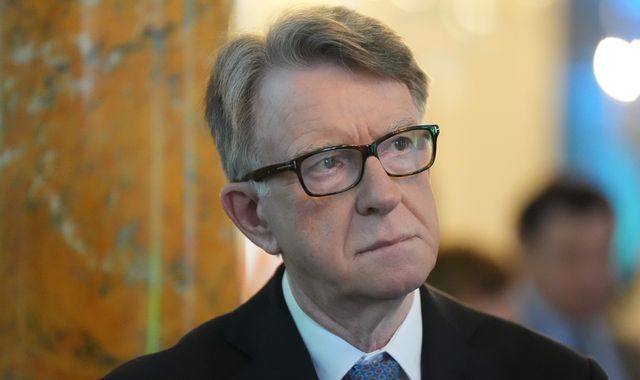
The release of government documents in March 2026 concerning the appointment of Peter Mandelson as the United Kingdom’s ambassador to the United States has reignited long-standing debates about political judgement, transparency in public appointments, and the lingering global fallout from the crimes of Jeffrey Epstein.
The documents—informally referred to as the “Mandelson files”—offer a rare look inside the internal deliberations of government officials as they assessed the risks surrounding Mandelson’s appointment. What emerges from the material is a portrait not only of a controversial diplomatic nomination but also of the political calculations that allowed it to proceed despite repeated warnings.

AD: Capeesh Restaurant
Mandelson had for decades been one of the most influential figures in modern British politics. As a senior strategist in the Labour Party during the era of Tony Blair and later Gordon Brown, he played a central role in shaping the political project commonly known as New Labour. Few political advisers in Britain wielded comparable influence.
Mandelson’s reputation as a master strategist, however, was accompanied by an equally enduring perception that controversy seemed to follow him throughout his career. He resigned from ministerial positions twice during the early 2000s amid political scandals, only to return later to senior office and eventually to the House of Lords. By the time the Labour Party returned to power under Keir Starmer, Mandelson remained both respected for his political acumen and regarded by critics as emblematic of the more opaque traditions of Westminster politics.
Starmer’s decision to appoint Mandelson as ambassador to Washington in 2024 therefore carried symbolic and strategic significance. The position of British ambassador to the United States is widely regarded as the most prestigious diplomatic posting available to a British envoy.

AD: Oysterian Sea Food Restaurant And Bar
It requires political experience, access to international networks, and the ability to navigate the complex diplomatic relationship between London and Washington. Supporters of the appointment argued that Mandelson’s decades of experience and connections within both European and American political circles made him well suited to the role.
Yet from the outset, the decision also attracted scrutiny because of Mandelson’s past association with Epstein, whose crimes and relationships with powerful figures had by then become the subject of global investigation.
Epstein, a financier whose social circle included politicians, business leaders, and celebrities, was convicted in 2008 for soliciting prostitution from a minor. Even before his death in 2019, the revelations surrounding his activities had cast a shadow over many of the individuals who had once moved within his orbit. Mandelson was among those whose past relationship with Epstein had periodically surfaced in public debate.
The two men had first become acquainted in the early 2000s, when Epstein cultivated friendships with numerous political figures across the United States and Europe. Correspondence that later became public suggested a cordial relationship between the two, including social visits and communication during periods when Mandelson was active in government.
The documents released in 2026 suggest that concerns about this relationship were known within government circles before Mandelson’s diplomatic appointment was finalized. Internal memoranda reportedly warned that Mandelson’s association with Epstein could present a “reputational risk” for the government, particularly given the sensitivity of the Washington post and the continuing public attention surrounding Epstein’s network.
While such warnings did not constitute formal objections to the appointment, they demonstrate that officials recognized the potential political consequences of placing Mandelson in such a visible role.
The files also raise questions about the speed with which the appointment progressed. Diplomatic nominations of this significance typically involve extensive vetting procedures, including security checks and detailed assessments of any vulnerabilities that might expose an ambassador to political pressure or reputational damage. According to the documents, some officials privately questioned whether the process had moved unusually quickly.
In particular, the files indicate that Mandelson was offered access to highly classified briefings before the completion of certain stages of the standard security clearance procedure. While this does not necessarily imply that rules were formally broken, the circumstances have nevertheless prompted debate about whether political considerations influenced the pace of the appointment.
The issue might have remained largely procedural had further information not emerged during Mandelson’s tenure in Washington. In 2025 previously undisclosed communications between Mandelson and Epstein were reported by journalists and subsequently confirmed through documentary evidence. These communications suggested that Mandelson had maintained a friendly relationship with Epstein even after the financier’s 2008 conviction.
Critics argued that this information appeared to contradict earlier characterizations of the relationship as distant or casual. For a serving ambassador representing the British government, the optics of such a connection quickly became untenable.
The political reaction in London was swift. Opposition parties demanded explanations regarding what the government had known about Mandelson’s past contacts with Epstein and whether the information had been adequately disclosed during the vetting process. Within the Labour Party itself there were growing concerns that the controversy was distracting from the government’s policy agenda and undermining its broader commitment to restoring public trust in politics.
Prime Minister Starmer ultimately dismissed Mandelson from his diplomatic post in September 2025. In a brief statement at the time, Starmer emphasized that newly revealed material demonstrated behaviour that fell short of the standards expected of someone representing the United Kingdom abroad. The dismissal marked a dramatic conclusion to Mandelson’s short tenure as ambassador and effectively ended his latest return to the centre of public life.
The aftermath of the dismissal proved equally consequential. Mandelson subsequently resigned from the Labour Party and withdrew from active participation in the House of Lords as scrutiny intensified. At the same time, law-enforcement authorities began examining whether any aspects of his interactions with Epstein during earlier periods of government service might constitute misconduct.
Among the issues reportedly under investigation were claims that Mandelson had shared confidential economic discussions with Epstein during the global financial crisis of 2008. While these allegations remain the subject of inquiry and have not resulted in formal charges, their emergence further deepened the political impact of the affair.
The publication of the Mandelson files in 2026 was intended in part to address criticism that the government had not been sufficiently transparent about the circumstances surrounding the appointment. The first tranche of documents, amounting to more than one hundred pages, includes internal correspondence, briefing notes, and records of conversations among senior officials.
Although much of the material is procedural in nature, the documents confirm that concerns about reputational risk were explicitly recorded before the appointment was finalized. They also reveal that Mandelson sought a substantial severance payment following his dismissal, though the eventual settlement was significantly smaller than the amount initially requested.

AD: Heritage And Restaurant Lounge Bar