
By Ben Kerrigan-
The European Union’s plans to roll out its 20th sanctions package against Russia have hit a dramatic roadblock just days before the fourth anniversary of the full‑scale invasion of Ukraine.
Hungary has refused to back the new package and a related €90 billion financial support deal for Kyiv unless Russian oil starts flowing again through a key pipeline that was shut down after a strike in Ukraine.

AD: Capeesh Restaurant
The standoff has prompted sharp criticism from EU partners, who warn that the delay plays into Moscow’s hands and threatens the unity of the bloc at a moment of heightened tensions.
Brussels had hoped to agree the sanctions before the anniversary of the war on 24th February, symbolising the bloc’s continued resolve against Russian aggression. But under EU rules, all 27 member states must consent to new restrictive measures and Hungary’s veto has brought the process to a halt, leaving the future of the measures in doubt as European leaders prepare to mark four years of conflict in Kyiv.
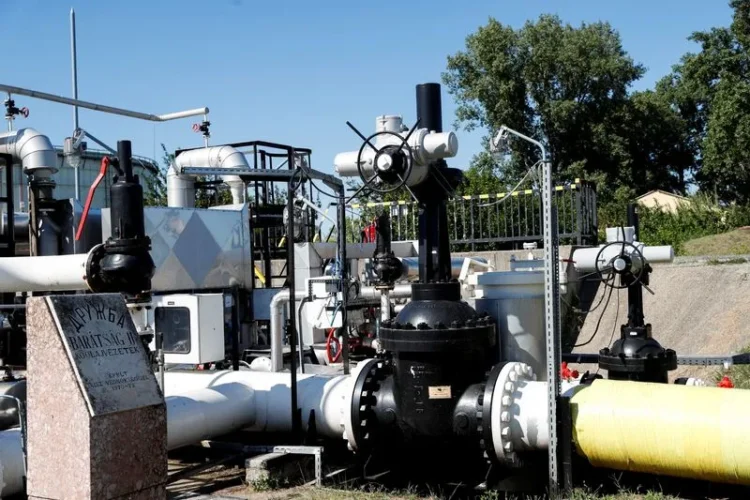
Hungary’s opposition centres on a dispute over the Druzhba oil pipeline, which delivers Russian crude through Ukraine to Hungary and Slovakia. The pipeline has been out of action since late January after what Ukrainian officials said were Russian drone strikes damaged infrastructure along its route. Hungary and Slovakia have since accused Ukraine of blocking the oil supply, an allegation Kyiv has rejected.

AD: Oysterian Sea Food Restaurant And Bar
Prime Minister Viktor Orbán and Foreign Minister Péter Szijjártó have made clear they will not approve the sanctions package or the €90 billion loan to Ukraine until oil transit resumes. In a social media post, Szijjártó said Hungary will withhold support because “until Ukraine resumes oil transit … we will not allow decisions important to Kyiv to move forward.” The stance not only halts sanctions but also threatens broader EU support mechanisms.
The proposed sanctions were expected to target Russian energy and financial sectors more forcefully than previous rounds, including proposed bans on certain oil shipping services and measures to crack down on sanctions evasion.
However, Hungary’s veto means that ambitious new measures aimed at tightening pressure on Moscow’s war machine are unlikely to be agreed at a Foreign Affairs Council meeting in Brussels this week.
EU diplomats and foreign ministers from states including Germany, Poland and Lithuania have expressed frustration at the impasse. Some say the delay benefits Russia whose president, Vladimir Putin, continues military operations across Ukraine at a time when the bloc wants to signal unity and support for Kyiv.
Critics argue that Hungary’s position reflects not just energy security concerns but also domestic political calculations, as Orbán’s government faces elections in April and has increasingly used anti‑Ukraine rhetoric.
Political Fall Out And The Strain On EU Unity
The standoff has exposed fissures within the EU over the strategy for confronting Moscow’s aggression, and raised questions about the bloc’s ability to act decisively when unanimity is required. Several EU members have sharply criticised Budapest’s lever pointing out that almost all other member states have significantly reduced or halted Russian energy imports since the invasion began in February 2022.
Poland’s foreign minister, Radosław Sikorski, accused Hungary of “exploiting anti‑Ukrainian hostility for electoral gains,” while Estonia’s Margus Tsahkna bluntly suggested that Russia would be pleased by the EU’s inability to adopt the sanctions.
The dispute has also thrown into doubt the approval of broader support for Ukraine, including the €90 billion loan package that was expected to bolster Kyiv’s finances as it continues to resist Russian forces.
Hungary’s stance has drawn concern from Ukraine itself. Kyiv condemned what it called “ultimatums and blackmail,” arguing that linking sanctions and financial support to oil transit risks undermining European solidarity. Ukrainian officials maintain the pipeline outage was caused by Russian attacks on their infrastructure a contention echoed by Western diplomats.
The deadlock poses a political embarrassment at a moment when European leaders, including European Commission President Ursula von der Leyen, are scheduled to travel to Kyiv to mark four years since Russia’s invasion.
The failure to secure sanctions before the anniversary threatens to overshadow that visit and highlights the challenges the EU faces in navigating internal disagreements while maintaining pressure on Moscow.
Despite the current standstill, EU officials have insisted that sanctions will eventually be enacted. Some diplomats are exploring alternative avenues to secure support for Ukraine and target Russia’s war economy, but any long‑term solution still depends on overcoming the unanimous consent requirement that gives individual member states veto power.
The four‑year mark of a conflict that has reshaped European security looms, the question confronting Brussels is whether the bloc can maintain a united front or whether internal divisions will continue to hamper its ability to respond swiftly to geopolitical crises.
The war in Ukraine has tested the EU’s cohesion like no other security challenge since the Cold War, forcing member states to balance national interests, energy security, and diplomatic priorities while trying to present a coordinated stance against Moscow’s aggression.
The current deadlock over sanctions with Hungary blocking the latest package and the associated €90 billion financial aid for Kyiv is a stark reminder of how fragile consensus can be when unanimity is required.
The European Union has long prided itself on its ability to act collectively, particularly on foreign policy matters. Yet, the need for unanimous approval among 27 member states for new restrictive measures has repeatedly allowed a single country to stall action, even when the rest of the bloc is aligned.
Hungary’s veto is not unprecedented previous rounds of sanctions have faced delays over disagreements on energy imports, exemptions, and the scope of financial penalties but the timing ahead of the war’s fourth anniversary has heightened the symbolic and practical stakes.
Analysts argue that such standoffs do more than slow the EU’s machinery; they send a signal to adversaries that internal divisions can be exploited, weakening the perceived credibility of Europe as a geopolitical actor.
Energy dependence, particularly on Russian oil and gas, has consistently been at the heart of such divisions. Countries like Hungary and Slovakia have argued that sudden reductions or blockades of Russian energy supplies could have catastrophic domestic consequences.
Others, such as Germany, Poland, and the Baltic states, have prioritised long-term strategic considerations over short-term economic disruption, emphasising solidarity with Ukraine and the broader imperative of reducing European dependence on Russian energy.
This tension between economic pragmatism and geopolitical principle underscores the difficulties the EU faces in crafting sanctions policies that are both politically feasible and strategically effective.
Experts warn that the consequences of inaction are real and immediate. Moscow continues its military operations with substantial resources, and delayed sanctions give Russian entities time to adjust to existing restrictions, reroute exports, or exploit loopholes.
Meanwhile, Ukraine’s financial position remains precarious, reliant on continued European support to sustain government operations, military logistics, and humanitarian assistance. Any hesitation in approving aid risks undermining Kyiv’s ability to withstand Russian pressure, and could complicate long-term post-war reconstruction planning.
The Hungarian veto also raises questions about the interplay between domestic politics and international diplomacy. Prime Minister Viktor Orbán’s government faces elections this spring, and some observers suggest that its resistance to sanctions is influenced by internal political calculations, as well as a longstanding pattern of skepticism toward EU policy on Ukraine.
Such domestic considerations are a recurring challenge for Brussels, highlighting how national electoral cycles can intersect with international crises to produce unexpected delays in decision-making.
Ultimately, the current impasse serves as a test of the EU’s resilience. Maintaining unity will require delicate diplomacy, including bridging energy security concerns, addressing member-state grievances, and reaffirming shared principles of collective security and support for democratic partners.
How the EU navigates this moment may well determine its credibility as a global actor and whether it can respond effectively to future crises without being hampered by the competing priorities of individual member states. The four-year anniversary of the war is not just a milestone for Ukraine; it is also a measure of Europe’s ability to speak and act with one voice when the stakes could not be higher.

AD: Heritage And Restaurant Lounge Bar