
By Lucy Caulkett-
LONDON — A devastating independent review published today has confirmed that 94 children were harmed while under the care of an orthopaedic surgeon at Great Ormond Street Hospital for Children (GOSH) in London between 2017 and 2022. The report offers an unflinching look at surgical failures, institutional shortcomings, and the long road ahead for families still coping with the consequences.
The findings, released this morning by GOSH, represent one of the most serious quality-of-care failures in recent UK medical history, leading to national debate about how even world-class hospitals can fail vulnerable patients.

AD: Capeesh Restaurant
Founded in 1852, Great Ormond Street Hospital has long been regarded as one of the world’s leading children’s hospitals, known for pioneering treatments and high standards of care. Yet the latest review has cast a harsh spotlight on how system failures allowed substandard surgical practice to persist for years.
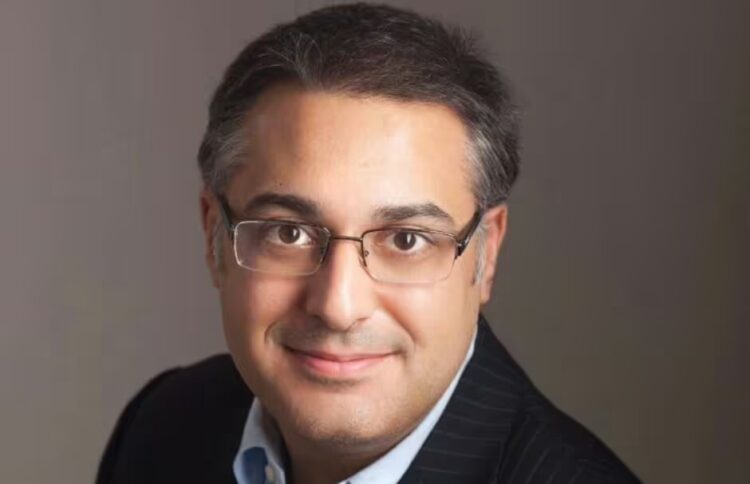
The surgeon at the centre of the controversy, Yaser Jabbar,(pictured) was a consultant orthopaedic surgeon who specialised in lower limb reconstruction — surgeries involving bones, plates, implants, and frames designed to correct deformities or support growth in children’s legs. GOSH commissioned an independent review in September 2024 after clinicians and families raised concerns about his clinical practice.
Great Ormond Street doctor harmed nearly 100 kids with ‘unacceptable’ botched operations
A review found the surgeon harmed one in eight children he operated on.

AD: Oysterian Sea Food Restaurant And Bar
Scores of children were harmed by an orthopaedic surgeon who botched operations at Great Ormond Street Hospital (GOSH), a review has found. Yaser Jabbar treated hundreds of children from 2017 to 2022 at the world-renowned London hospital. Independent experts concluded that 94 patients suffered harm at his hands and his surgery fell well below the level expected in several areas
The review examined 789 cases handled by Jabbar and concluded that 94 patients suffered harm directly attributable to his care. Of these:
Thirty six children experienced severe harm, including outcomes judged to have life-altering implications.
Thirty nine children suffered moderate harm, affecting mobility, pain, or requiring additional corrective surgery. Nineteen children suffered mild harm, including unnecessary procedures or complications like avoidable anaesthesia.
The remaining 642 cases were not judged to have direct harm attributable to his care, though some required further investigation.
Failures in Surgical Practice
The independent review, conducted by external paediatric orthopaedic specialists, found recurrent deficiencies in core aspects of Jabbar’s clinical work. These included:
• Inadequate Planning and Decision-Making
Reports noted poor pre-operative planning, incorrect bone cuts, and the use of surgical techniques that were either inappropriate or poorly justified in medical records. ›
Case files frequently lacked adequate documentation of rationales for procedures, consent discussions with families, or clear surgical plans. In a specialty where precise records are vital, this was a major red flag.
Some children were fitted with devices or implants that were not suitable for their condition, leading to ongoing pain, uneven limb lengths, or failed corrections that required revision surgery. ›
Reviewers found evidence that Jabbar relied excessively on less experienced trainees for complex aspects of surgery without proper oversight, compounding risks to patients. ›
In several cases, families were not properly informed of alternatives, risks, or the possibility that surgery might not offer clear benefits over conservative monitoring. ›
Though the report does not detail every individual case, interviews with families and legal representatives paint a stark picture of the human impact behind the statistics.
One child, identified only by family reports, underwent multiple surgeries before ultimately needing amputation of part of a leg, a procedure that might have been avoided with earlier intervention by other surgeons.
Another family described how their child was left with chronic nerve damage and ongoing pain after procedures that did not correct the original issue but instead introduced new complications. Some children now require years of physiotherapy, additional surgery, or lifelong mobility aids.
Parents have expressed frustration that concerns raised internally were not escalated quickly enough, and that it took years for independent scrutiny to fully address the extent of harm.
Hospital Apology and Institutional Response
In an official statement issued alongside the report, GOSH Chief Executive Matthew Shaw offered a heartfelt apology to families, acknowledging that the hospital had “breached that trust” placed in it by parents and patients.
Shaw wrote directly to affected families, expressing regret that the process of review may have added to their distress, and emphasised the hospital’s commitment to learning from the findings. He also noted that families would be supported in making contact with police if they wished to pursue further action.
“We know nothing we can do can make up for the experiences you have had,” Shaw wrote, “but we hope by sharing our findings with you clearly and comprehensively, we can begin to rebuild the trust that has been broken.”
GOSH has also announced a series of safety reforms, including enhanced surgical oversight, improved documentation standards, and stronger clinical governance structures designed to prevent recurrence. These reforms are intended to affect not just orthopaedics, but hospital-wide quality assurance.
Regulatory and Legal Aftermath
The surgeon, Yaser Jabbar, no longer holds a medical license in the UK and is believed to be living abroad. UK regulators, including the General Medical Council (GMC) and NHS England, have been involved in reviewing his practice, though official criminal charges have not yet been filed.
Families have been advised they can contact law enforcement if they suspect criminal negligence. The Metropolitan Police have stated they will study the report, but so far have not received formal criminal allegations.
Legal representatives for affected families have said civil action for medical negligence is likely to follow, though no major lawsuit has been filed as of publication. It is expected that some families will pursue compensation claims through the civil courts.
The findings have sparked intense debate within the medical community and among patient advocacy groups. Experts have largely welcomed the transparency of the report but emphasised that ongoing oversight is needed. Some senior clinicians have called for national standards on how specialist hospitals monitor individual surgeons’ outcomes and intervene earlier when patterns of poor performance emerge.
Child health advocates argue that the case highlights broader issues within the NHS, where even world-leading institutions can struggle with internal accountability. They stress that families need simpler pathways to challenge care and seek answers when things go wrong.
Social media and public commentaries reflect widespread shock that a surgeon at a leading children’s hospital could harm nearly 100 young patients over years without earlier, decisive intervention. Some commentators have called for statutory reporting of all serious medical harms in children’s hospitals. Others have stressed caution, noting that complex orthopaedic cases always carry risk and not all poor outcomes involve negligence.
Broader Implications for UK Healthcare
Many observers see the GOSH case as a potential catalyst for national policy change in how patient safety is tracked and how senior clinicians are supervised across all NHS hospitals.
NHS England has already signalled it will review performance monitoring systems, escalation protocols, and whistleblower protections to ensure early warning signs are addressed promptly.
Clinicians who spoke on condition of anonymity emphasised that while surgical complications are an inherent risk of medicine, the pattern in this case points to systemic issues in governance and oversight. Enhanced peer review, mandatory outcome reporting, and external audits have all been proposed as possible reforms.
The report’s publication for families is a milestone but not an endpoint.
Many children harmed by the surgeries continue to struggle with mobility, pain, or the emotional trauma of repeated procedures. Some parents have formed support groups to share experiences, coping strategies, and legal guidance. They hope their voices will contribute to lasting change in paediatric surgical care.
One mother, whose child was left with a permanent gait abnormality, anonymously said: “We went to Great Ormond Street hoping for the best care possible. Now we fight every day with the fallout. We want better protection for other families.”

AD: Heritage And Restaurant Lounge Bar