
By James Simons-
Pokémon is more than just the animated TV show or the video games that defined a childhood; it has quietly matured into one of the most surprising financial phenomena of the decade. This month, a rare Pokémon trading card the ultra‑scarce Pikachu Illustrator graded PSA 10 fetched an eye‑watering £12 million at auction, an event that captured headlines around the world and crystallised just how far the hobby has tilted into the realm of serious investment.
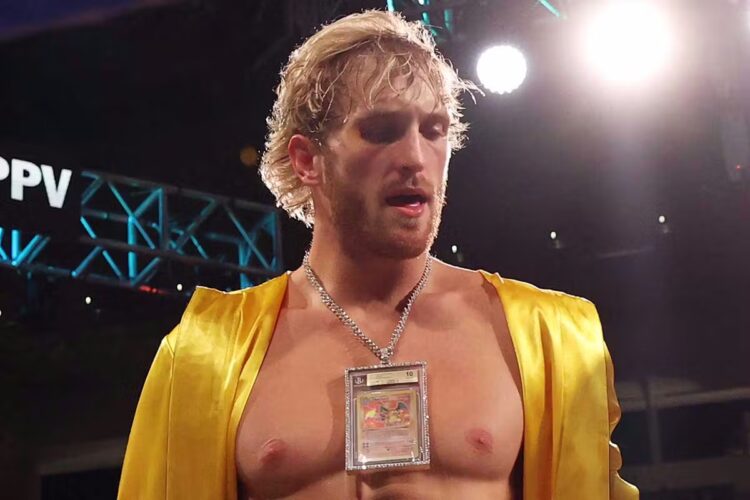
The card, purchased by venture capitalist A.J. Scaramucci, was sold by influencer and entertainer Logan Paul, who originally bought it for about £3.9 million back in 2021 and made an astonishing profit by flipping it this year. What was once a playful childhood pastime has evolved into a vibrant and occasionally volatile marketplace where nostalgia, scarcity and the mechanics of graded collectibles collide.

AD: Capeesh Restaurant
Yet while this £12 million sale drew attention, it’s just the tip of the iceberg. On the UK auction scene this year, rarities such as a Shadowless Base Set Charizard card sold for tens of thousands far beyond its original retail price testifying to the strength of demand among collectors.
Globally, Pokémon card sales have surged, with secondary markets like Swedish auction platforms reporting triple‑digit percentage increases and total values reaching into the millions, even when excluding the super‑rare outliers.
At its core, the Pokémon Trading Card Game began in the mid‑1990s as a fun extension of the beloved Japanese franchise a world where creatures battle and trainers strive to “catch ’em all.” But nostalgia is a powerful force.

AD: Oysterian Sea Food Restaurant And Bar
Millions of collectors who grew up with Pokémon now find themselves drawn back, not only for fun but also because they recognise that rare cards can command extraordinary prices. In some cases, people have used Pokémon card profits to buy homes or fund other investments.
What has turbo‑charged this market is a confluence of scarcity and condition. Professional grading services, such as Professional Sports Authenticator (PSA) and Beckett, assess cards on rigorous scales with a “PSA 10” denoting near‑perfect condition. Cards that achieve this top tier of grading become coveted precisely because so few survive decades in pristine shape.
The tantalising lure of uncovering a mint condition gem keeps them buying packs and combing through attic binders alike. It’s this gap between what cards were once worth often just a few pounds or dollars and what they can fetch today that has mesmerised investors and enthusiasts alike.
The most dramatic manifestation of this trend, of course, was Logan Paul’s record‑breaking sale, which eclipsed previous highs and set a new benchmark for collectible card value. Yet not every collector expects to uncover a miniature fortune.
Many take pride in assembling sets for the joy of the hobby, a sentiment echoed by seasoned players who emphasise that cards were originally designed for play, connection and community.
Even so, the sharp rise in card values has reshaped the market. Retailers now see customers scouting for rare finds like booksellers searching for first editions; digital communities discuss pricing trends and grading nuances with near‑academic precision.
Modern auctions can be spectacles in their own right, drawing interest from a global audience and making news in major publications. Meanwhile, stories of flamboyant purchases and record sales continue to fuel curiosity among the uninitiated.
But beneath the excitement, there are questions worth pondering. Critics warn that much of the market’s exuberance is driven by speculation rather than intrinsic value, not unlike other collectible bubbles in history.
Some argue that the meteoric rise in card prices risks overshadowing the fun of the game itself. When every pack opening becomes a potential investment calculation, the spirit that made Pokémon a cultural touchstone could be diluted.
Moreover, the surge in trading card demand has had knock‑on effects. Anecdotes of scalpers clearing shelves to resell at a premium, or of dealers treating cards as alternative assets, highlight the tensions between hobbyists and profit‑seeking participants.
While the vast majority of collectors enjoy the cards without any expectation of financial return, the existence of multimillion‑pound price tags undeniably reshapes perceptions.
In the final analysis, what the £12 million Pokémon card tells us is less about the arbitrary value of cardboard and ink and more about the power of culture, community and nostalgia to create markets where none existed before.
Whether you’re a seasoned collector, a curious investor or a parent pondering a child’s interest, this phenomenon underscores a truth about modern fandom: what began as light‑hearted entertainment has grown into a complex and compelling marketplace one that rewards passion as much as it does patience.
With the 30th anniversary of the Pokémon franchise continues to generate headlines and rekindle memories across generations, the world of collectible cards shows no signs of slowing. Those who are willing to step into the arena, the game is very much on, and for many, catching ’em all means something far deeper than it ever did before.
What started as a fun childhood pastime in the 1990s has evolved into a complex, high-stakes marketplace where rarity, condition, and provenance can translate into extraordinary value. The recent sale of the Pikachu Illustrator card for £12 million is a striking example, attracting attention not only from collectors but from investors, media outlets, and the wider public.
Online platforms, social media communities, and auction houses now serve as critical hubs for enthusiasts, providing spaces where collectors discuss grading, scarcity, and trends with near-academic precision. Professional grading services like PSA and Beckett have added legitimacy to the market, creating a benchmark for condition that directly influences value.
With seasoned collectors, these cards are investments, but for many others, they represent a tangible connection to childhood, bridging nostalgia with a sense of achievement and community.
The surge in valuations has also inspired new players to enter the market, from casual fans hunting rare packs at local stores to global investors seeking alternative assets. Meanwhile, the Pokémon franchise continues to thrive digitally, with online card games, apps, and tournaments cultivating a younger generation of fans.
This intersection of culture, commerce, and nostalgia ensures the collectible card phenomenon will endure. Each pack opened and each card traded carries not just the thrill of the game, but the potential to turn memories into extraordinary and sometimes multimillion-pound value, proving that for Pokémon, the stakes have never been higher.

AD: Heritage And Restaurant Lounge Bar