
By Charlotte Webster-
In the shattered quiet that follows the latest earthquakes to strike western Venezuela, hospitals are filling faster than supplies can arrive. Aid organisations say the country’s already fragile healthcare system is now approaching a critical breaking point, with damaged infrastructure, power disruptions and shortages of essential medicines compounding a crisis years in the making.
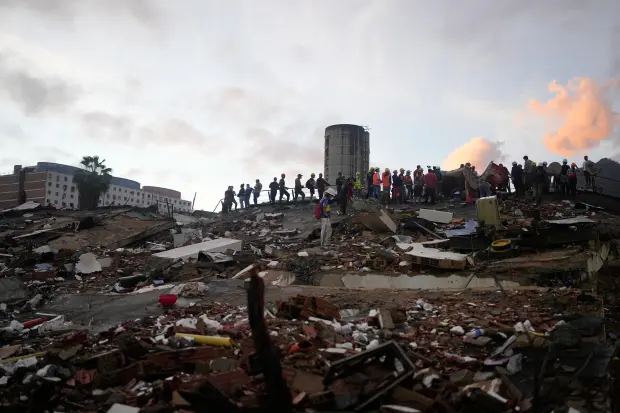
The earthquakes that struck Venezuela caused widespread destruction across affected regions, including La Guaira and surrounding areas, with buildings collapsing and infrastructure heavily damaged . Hospitals and clinics were significantly impacted, with dozens of medical facilities either damaged or operating under severe strain as they struggled to cope with a surge of trauma patients.

AD: Capeesh Restaurant
Many health centres were overwhelmed, while emergency services faced growing pressure as aftershocks complicated access and safety conditions for both patients and staff . In several affected areas, displaced residents were forced to sleep outdoors or in temporary shelters, further straining already limited medical capacity and emergency response systems.
Humanitarian groups working on the ground say the disaster has exposed the extreme vulnerability of a system already weakened by economic collapse and long-term shortages. The International Federation of Red Cross and Red Crescent Societies has previously warned that Venezuela’s health infrastructure remains highly exposed to shocks, with limited emergency capacity and chronic shortages of medical supplies.
Now, aid workers say the earthquakes have pushed that fragility into a more dangerous phase. Hospitals that were already struggling to maintain basic services are now treating a surge of injuries, from fractures and crush injuries to untreated chronic conditions worsened by disrupted care.

AD: Oysterian Sea Food Restaurant And Bar
“We are seeing a system operating beyond saturation,” one humanitarian coordinator said in a briefing shared with aid partners. “The earthquake didn’t create the crisis, but it has accelerated it.”
The Venezuelan government has acknowledged damage to public infrastructure in affected regions, deploying emergency teams and military engineers to assist with repairs. However, international aid agencies say access constraints, supply chain disruptions and pre-existing shortages are limiting the effectiveness of the response.
Even before the earthquakes, Venezuela’s healthcare system had been under sustained pressure for years. The World Health Organisation has documented repeated challenges in the country, including shortages of essential medicines, deteriorating hospital infrastructure and reduced access to primary care services.
The latest seismic activity has intensified those weaknesses. In hospitals across the Andean corridor, damaged electricity networks have forced reliance on generators, while intermittent water supply has complicated infection control in surgical wards. Medical staff describe improvising treatment plans as standard protocols become difficult to maintain.
Aid groups warn that trauma care capacity is now close to exhaustion in several regions, with hospitals operating beyond safe limits and struggling to manage the surge of emergency admissions following the earthquakes.
The World Health Organization reported that Venezuelan health facilities are facing severe strain, with multiple hospitals critically damaged and others functioning under overcrowded and resource-limited conditions, leading to growing surgical backlogs and pressure on emergency services .
The Pan American Health Organization has previously warned that disasters in the Americas often overwhelm already fragile national health systems, where disruptions to infrastructure, shortages of medical supplies, and limited staffing make rapid response significantly more difficult than in more stable systems .
In Venezuela’s case, these structural vulnerabilities have intensified the strain on trauma care services following the earthquakes, leaving hospitals struggling to maintain continuity of emergency treatment while managing large numbers of injured patients across affected regions .
In field hospitals near affected zones, clinicians report treating patients in overcrowded conditions, with limited access to imaging equipment or specialist care. Some patients requiring urgent surgery are being transferred long distances to Caracas, but transport delays and road damage have slowed evacuations.
Public health experts say the situation illustrates a broader pattern seen in disaster-prone regions with weakened infrastructure: when natural hazards strike, the system’s lack of redundancy quickly turns localised emergencies into national-level crises.
“Earthquakes don’t just damage buildings,” one regional health analyst noted. “They expose the structural limits of the systems meant to respond to them.”
That assessment is reflected in reporting from Venezuela, which shows how the recent earthquakes have pushed an already fragile health system to the brink, with hospitals damaged, overcrowded, and struggling to cope with surging numbers of trauma patients.
Also highlights that at least 38 hospitals were affected, with several rendered non-operational and others operating under extreme strain, underscoring how emergency infrastructure quickly becomes overwhelmed when disaster strikes .
Aid groups cited in the report warn that the scale of injuries and displacement has exposed long-standing weaknesses in Venezuela’s healthcare system, including limited resources, staffing shortages, and reduced capacity to handle mass casualty events .
Taken together, the reporting illustrates how the earthquakes have not only caused physical destruction but also revealed the structural limits of the country’s ability to deliver emergency medical care under crisis conditions.
Aid organisations are now prioritising emergency medical shipments, including antibiotics, trauma kits and basic surgical supplies. However, logistical challenges remain significant. Fuel shortages and damaged roads are slowing distribution, while import restrictions continue to affect the availability of specialised equipment.
Meanwhile, communities in affected regions are relying heavily on local volunteers and improvised care networks. In some areas, teachers, religious groups and civil defence teams have become first responders, providing basic triage and shelter while waiting for medical teams to arrive.
The humanitarian response is also contending with broader economic constraints. Venezuela’s long-running financial crisis has significantly reduced public spending capacity, weakening the ability of hospitals to rebuild infrastructure or restock essential medicines and equipment, amid years of economic collapse and underinvestment in public services .
The World Health Organization and Pan American Health Organization have repeatedly documented that Venezuela’s health system has been deeply affected by hyperinflation, shortages of medicines, and disruptions to basic utilities, all of which have eroded the operational capacity of hospitals and public health services.
Even before the earthquakes, multiple studies and humanitarian assessments reported that many facilities were operating with intermittent supplies, reduced staffing levels, and weakened service delivery due to the large-scale migration of healthcare workers leaving the country over the past decade.
Aid workers say this combination of pre-existing strain and sudden disaster impact is what makes the current situation particularly precarious.
“The concern now is not just recovery from the earthquake,” said one aid official familiar with the response effort. “It is whether the healthcare system has any remaining buffer at all.”
Aftershocks continue to ripple through western Venezuela, the fear among humanitarian agencies is that further seismic activity could tip already overstretched hospitals into full collapse of service delivery in some regions.
Emergency teams continue working against time, trying to stabilise patients, restore basic services and prevent secondary health crises from emerging. But the message from aid groups is increasingly urgent: Venezuela’s healthcare system is not just strained it is approaching its limit, with little room left to absorb another shock.

AD: Heritage And Restaurant Lounge Bar