
By Charlie Carmichael-
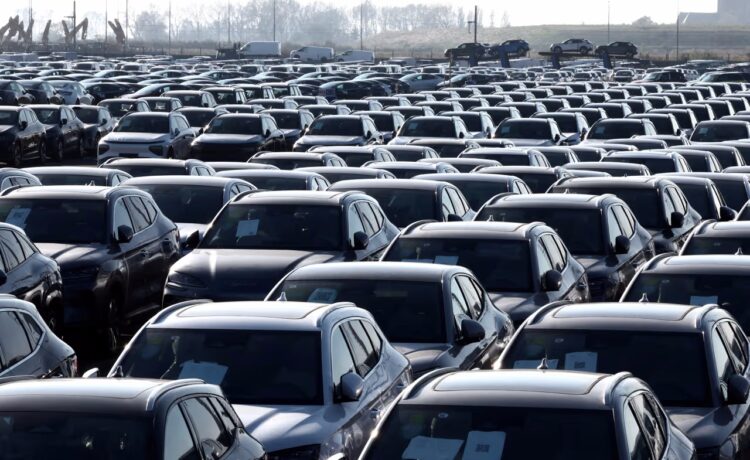
In a surprising turn for the UK automotive industry, new car sales in February hit their highest level for that month in 22 years, signalling a surprising resurgence in demand as drivers snapped up both conventional and electrified vehicles ahead of the traditional March number‑plate change. Figures released today by the Society of Motor Manufacturers and Traders show 90,100 new registrations up 7.2 per cent on the same month last year making it the busiest February since 2004. The robust performance comes against a backdrop of broader market transitions, mixed fortunes for electric vehicles (EVs), and global shifts that are remaking the way consumers view automotive ownership and mobility.
Industry experts and carmakers welcomed the strong results as evidence that consumer confidence remains firm despite ongoing economic uncertainties. Yet the record performance also highlights structural shifts underway across the sector, especially in how petrol, diesel and electrified vehicles are being embraced by motorists.

AD: Capeesh Restaurant
With dealers preparing for the upcoming spring sales rush, attention is now turning to whether this early momentum can be sustained as the year progresses.
Throughout February, the UK’s car market defied typical seasonal expectations. Traditionally a quieter month, early in the year buyers often delay purchases until March when new number plates are introduced, potentially depressing February figures.
This year’s total of 90,100 registrations bucks that trend and underscores a resurgence of retail demand, particularly among private buyers. Retail registrations jumped by nearly 18% compared to February 2025, indicating that consumers are increasingly willing to commit to new vehicles sooner rather than later.

AD: Oysterian Sea Food Restaurant And Bar
While overall registrations surged, the pattern of fuel type demand tells a more nuanced story. Pure battery EVs did grow in absolute numbers up 2.8% but their market share slipped to 24.2%, the second consecutive month of decline, suggesting that while EV uptake continues to expand, it is not yet keeping pace with overall market growth.
Petrol‑powered cars also saw growth, climbing by about 5 per cent, while diesel continues its long‑term erosion with a nearly 4 per cent drop. This divergence illustrates the complexity of the transition to electrified transportation: buyers are not uniformly switching to pure EVs, instead exploring plug‑in hybrids (PHEVs) which saw a striking 43.5 per cent increase in registrations alongside traditional petrol models.
Mike Hawes, chief executive of the SMMT, called the figures “encouraging” but emphasised that EV uptake must accelerate if the UK is to meet government targets. Current regulations require that at least 33% of cars sold by each manufacturer this year be zero‑emission, generally meaning pure EVs a threshold the industry has yet to comfortably achieve.
Behind these headline numbers are broader shifts shaping the automotive sector. The revival in private retail demand reflects a growing consumer desire for mobility and renewed confidence after years of supply chain disruption and economic caution.
Yet it also highlights that electrification efforts while advancing face headwinds such as cost concerns, charging infrastructure gaps and consumer uncertainty about longer‑term ownership economics.
The government’s zero‑emission vehicle (ZEV) mandate looms large within this context, driving manufacturers to invest heavily in EV development even as some buyers hesitate. Hawes has called for a review of the transition strategy to ensure that industry ambition aligns with natural demand cycles.
The strongest growth segment in February was plug‑in hybrids, reflecting a consumer willingness to embrace electrified technology where it offers flexibility and range reassurance. Petrol’s continued strength underscores that internal combustion remains deeply embedded in driver preferences, particularly in regions where charging infrastructure is less mature or trips tend to be long‑distance.
February’s strong car market performance comes amid other noteworthy developments in the automotive world. In Spain, electric car maker Tesla reported a 74% year‑on‑year surge in February sales, bolstering the EV segment even as some regions grapple with slower uptake.
The growth there contrasts with the UK’s market share decline for pure EVs, illustrating how electrification trends can vary sharply by market conditions and consumer incentives.
Across the globe, the picture remains far from uniform. China’s largest EV manufacturer recently reported a sharp drop in sales its most significant since the pandemic driven by weakening domestic demand despite strong export growth. BYD’s experience highlights the competitive pressures within the EV market as rivals proliferate and consumer preferences shift.
Closer to home, British dealerships and market analysts are closely watching March’s “number plate” boost, which often sets the tone for the broader sales year. If demand holds or continues to rise, it could signal a sustained recovery in automotive sales across 2026.
There are also moves in other regions, such as India, where the broader automobile market including two‑wheelers and SUVs posted a robust 26% year‑on‑year increase in February, indicating global appetite for new vehicles remains strong.
Despite the optimistic figures, challenges remain. The mixed signals around EV policy, including debates over running costs and taxation, continue to influence consumer decisions.
Experts warn that inconsistent messaging from policymakers could dampen hard‑won momentum in sustainable vehicle adoption. Industry voices are urging clearer incentives and streamlined infrastructure investments to maintain forward momentum.
The transition away from petrol and diesel isn’t happening overnight. Diesel vehicles, once dominant on European roads, have seen their market share slump over the past decade. While they remain an option, ongoing regulation and urban emission controls are accelerating the shift toward cleaner alternatives even if adoption pathways differ across regions and price segments.
Used cars also offer a vital piece of the mobility puzzle. In the UK, the secondhand car market particularly electrified vehicles has seen record growth, driven in part by price adjustments that make EVs more accessible to a broader swathe of buyers. This secondary market dynamic complements new car registrations, helping transition the wider vehicle parc toward cleaner technologies.
While the automotive industry moves deeper into 2026, the success of February’s sales figures offers both optimism and reflection. Record demand in February is a clear vote of confidence from buyers a sign that consumers are willing to invest in new vehicles even ahead of the traditional busy season.
Yet the underlying patterns mixed EV share, strong hybrid growth, and ongoing petrol demand reveal that the journey toward a fully electrified market remains complex.
With policymakers, manufacturers and dealers alike, the challenge is to balance ambition with practicality, fostering an environment where innovation can thrive while meeting consumer needs and regulatory targets.
Clearer incentives, expanded infrastructure, and continued engagement with buyer concerns will be crucial if the industry is to sustain this momentum and ensure that peaks in demand are not only record‑breaking but also enduring.
With the “new plate” wave approaches and spring sales kick into high gear, all eyes will be on whether this early rally propels the UK automotive market toward a robust and transformative year one that could reshape how drivers think about cars, powertrains and the road ahead.

AD: Heritage And Restaurant Lounge Bar