
By Theodore Brown-
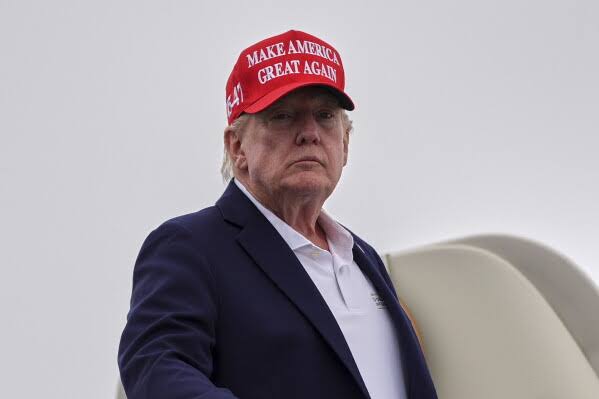
WASHINGTON — President Donald Trump has announced that CNN, MS NOW and Politico will be banned from the White House, accusing the three news organisations of repeatedly publishing what he described as “fake news” and warning that other media outlets could face similar restrictions. Trump made the announcement on Friday in a post on Truth Social, declaring that the ban would take effect immediately. He accused CNN, MS NOW and Politico of reporting what he called “fiction and lies” about his presidency, administration and the United States.
“I am proud to announce that, effective immediately, I am banning Fake News CNN, MSNOW … and Politico … from the White House as a result of their constant ‘reporting’ FAKE NEWS!” Trump wrote.

AD: Capeesh Restaurant
He added: “Media outlets shouldn’t be able to constantly write or report FICTION and LIES when they’re covering the President of the United States, the Trump Administration, or the United States of America.” Trump then warned that further restrictions on news organisations could follow, writing: “Other Fake News Media Outlets to follow’
Speaking to reporters later at the White House, Trump indicated that he wanted the restrictions to extend as far as possible, although he did not provide a detailed explanation of how the proposed ban would operate or whether journalists’ credentials would be revoked.

AD: Oysterian Sea Food Restaurant And Bar
“I don’t want them in my office. I don’t want them here,” Trump said, according to reports. “I would say the ban would go a
Despite Trump’s announcement, the immediate practical effect of the declaration remained unclear. Journalists from CNN, MS NOW and Politico were reported to still be working on White House grounds on Friday, with no immediate indication that they had been physically removed or that their access had been formally The announcement quickly triggered a response from the affected organisations, which defended their reporting and argued that the government cannot punish news organisations because of their coverage.
CNN said it stood behind its White House reporting team and described its journalism as “fair and accurate”. The network said it has a constitutional right to report from the White House without government interference and warned that implementing Trump’s threatened ban would amount to an unlawful assault on press. Politico likewise said it would continue reporting on the Trump administration and future administrations while defending what it described as its First Amendment rights against attempts to restrict its access.
The dispute centres on the First Amendment of the US Constitution, which protects freedom of the press, but the precise legal limits on White House control of media access depend on the type of access involved. Legal experts and press freedom organisations have argued that excluding news organisations because of the content of their reporting raises serious constitutional concerns.
The National Press Club also called on Trump to reverse the announcement, arguing that excluding news organisations because the administration objects to their coverage would amount to government control over which journalists are permitted to observe and report on presidential activity. Press freedom organisations have similarly criticised the announcement. The Freedom of the Press Foundation said Trump’s proposed restrictions raised First Amendment concerns, while other press organisations have pointed to previous court disputes involving the administration and
The White House confrontation is not the first time Trump’s administration has clashed with major news organisations over access. During his first presidency, the White House temporarily revoked CNN reporter Jim Acosta’s press credential following a confrontation with Trump, although the credential was later restored following legal action. In 2025, the administration also restricted Associated Press access to certain presidential events after the news organisation continued using the name “Gulf of Mexico” rather than Trump’s preferred “Gulf of America.” That dispute also led to litigation.
Trump’s latest announcement also included a dispute over Politico and government spending. In his Truth Social post, the president alleged that the Biden administration had spent $8 million on Politico subscriptions and described the spending as evidence of possible corruption. Politico has rejected the characterisation of the payments as government subsidies, with its communications team saying the claim was false and had been debunked.
The political and legal implications of the announcement could become clearer if the White House attempts to enforce the restrictions. Previous court cases involving presidential press access have established important protections for journalists, although the legal position can differ depending on whether access concerns general White House press facilities, restricted locations such as the Oval Office, or presidential travel. The Washington Post reported that courts have generally been sceptical of government attempts to deny journalists access because of the content of their reporting, while noting that litigation over access to more restricted presidential spaces remains an evolving area of law
Defense Secretary Pete Hegseth publicly backed Trump’s decision, writing on X that the Department of War supported removing CNN, MS NOW and Politico from the White House and accusing them of producing what he called “fake news.” His statement added another senior administration voice to the dispute over the president’s treatment of the press.
For now, however, the most significant unanswered question is how Trump’s declaration will be implemented. The president has announced the ban and threatened further restrictions, but the precise mechanism, enforcement measures and legal consequences were not immediately clear The confrontation places the Trump administration and several major American news organisations on opposing sides of a growing dispute over presidential authority, media access and constitutional press protections. Trump maintains that the outlets have repeatedly published false or misleading reports about his administration, while the targeted organisations maintain that they have a constitutional right to report independently without government retaliation.
What began as another clash between a president and news organisations he criticises could now move into the courts, where judges may ultimately be asked to determine how far the White House can go in controlling press access based on the content of journalists’ reporting.

AD: Heritage And Restaurant Lounge Bar