
By Tony O’Reilly-
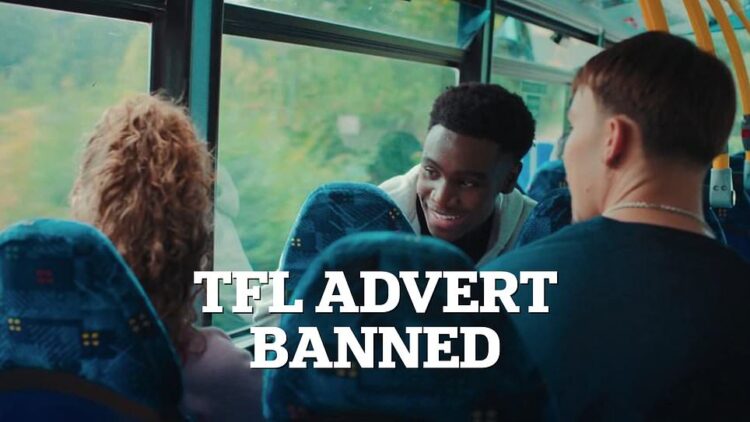
In a rare and emphatic ruling, the UK’s advertising watchdog has banned a Facebook advert from Transport for London (TfL) after finding it reinforced negative racial stereotypes about black men, a decision that has sparked both public debate and industry concern.
The advert in question was part of TfL’s “Act Like a Friend” campaign, designed to encourage passengers on London’s transport network to intervene safely if they witness incidents of sexual harassment or hate crime.

AD: Capeesh Restaurant
However, the segment seen on Facebook a shortened version of the full film featured a black teenage boy verbally harassing a young white girl on a bus, with a white teenage friend alongside him.
One viewer complained that this portrayal fell into a harmful pattern of depicting black males as threats a stereotype that the Advertising Standards Authority (ASA) said the ad, when seen alone, indeed reinforced. The regulator ruled the advert “irresponsible and likely to cause serious offence” and prohibited it from being shown again in its current form.
TfL acknowledged the ruling and said it has removed the shortened advert. It also stressed that the full campaign included other cut‑down clips, which showed different scenarios including hate crimes perpetrated by white men and that the complete two‑minute film featured a diverse cast and multiple contexts of harassment.

AD: Oysterian Sea Food Restaurant And Bar
Context, Reaction, and the Fine Line of Messaging
The banned advert was one of three created from a longer film commissioned by TfL and released during National Hate Crime Awareness Week last October. The broader campaign’s intention was to raise awareness of how bystanders can safely support victims of harassment and encourage reporting.
TfL maintained that the shorter adverts would usually be shown in rotation and estimated that the chance of a user only seeing the one that sparked the complaint was around 2%.
But the ASA concluded that even if it was unlikely, the possibility remained, and the content could reinforce a stereotype linking black males, especially black teenage boys, to threatening behaviour a pattern with a long history in media that many critics argue is both damaging and inaccurate.
Responding to the ruling, a TfL spokesperson reiterated that the aim of the campaign was to depict a range of challenging situations faced by passengers, and apologised that one version of the advert had fallen “below our usual high standards when viewed in isolation”. TfL confirmed the shortened version would no longer be used and pleaded its commitment to producing socially responsible content.
The ASA’s decision has triggered a wide spectrum of reactions from commentators, advocates, and members of the public. Supporters of the ruling say it highlights the important responsibility advertisers have to avoid perpetuating racial stereotypes especially in a diverse city like London and place equal importance on intentions and impact.
Representation advocates argue that even well‑meaning campaigns need careful scrutiny to ensure they don’t inadvertently reinforce pre‑existing societal biases. This concern echoes wider discussions about how racial imagery and narratives are embedded in media and advertising.
Critics of the ban, including social media commentators and some advertising professionals, argue that the ASA’s interpretation could set a precedent where even accurate depictions of wrongdoing by individuals of any ethnicity risk being labelled stereotypical if they reinforce existing societal associations.
Some observers noted that in the other two adverts from the campaign which depicted white males committing hate crimes no similar ban was reported, raising questions about consistency in how offensive content is assessed.
One heated online debate thread voiced scepticism about the ASA’s reasoning, with participants pointing to broader points such as statistical crime associations and artistic representation and questioning whether any portrayal of anyone engaging in wrongdoing can be free from stereotype concerns. (Discourse on social platforms was vociferous but deeply polarised, with viewpoints ranging from support for the watchdog to claims that the decision stifles creative or factual storytelling.)
Broader Implications for Advertising and Public Messaging
The rulings raise broader issues for public bodies and brands alike, especially those commissioning behaviour‑change or public service advertising.
Campaigns that seek to tackle issues like hate crime, harassment, and discrimination often navigate sensitive territory, where the need to reflect real‑world scenarios must be balanced against a responsibility not to inadvertently reinforce the very prejudices they aim to challenge.
Advertising professionals point out that the ASA’s codes require ads to be socially responsible and avoid causing serious or widespread offence criteria that put emphasis on perceived impact, not just intent. This approach, they say, can sometimes clash with creative aims when addressing complex social behaviours, especially in multicultural contexts where interpretations of imagery are varied and nuanced.
The TfL case also underscores the power and reach of targeted social media advertising. Shortened versions of longer films are widely used across platforms to capture attention quickly, but these clips often lack the narrative context available in the original work.
When that happens, meaning can shift, and messaging can be interpreted in ways not intended by the creator a dynamic that both regulators and advertisers will need to consider carefully in future campaigns.
Looking ahead, TfL has said it will work with the ASA guidelines to ensure future adverts meet the required standards of social responsibility and avoid harmful stereotyping. The authority’s commitment to tackling sexual harassment and hate crime on its network especially following multiple high‑profile campaigns in recent years remains strong, officials say.
But the ban has also served as a reminder that good intentions alone are not enough. Public communications, particularly on sensitive issues like race and victim support, must be shaped with careful narrative framing, ensuring that the broader context is preserved even in abbreviated formats.
Advertisers are being urged to test not just the messaging of full campaigns but also how those messages might be interpreted when presented in isolation a lesson that resonates well beyond TfL’s transport network.
In a city as diverse as London famously a global melting pot of cultures, languages, and identities these debates are unlikely to go away soon. What happens next may influence how public authorities, civil society groups, and brands craft their voices on issues of public safety, equality and representation across media platforms.

AD: Heritage And Restaurant Lounge Bar