
By Ben Kerrigan-
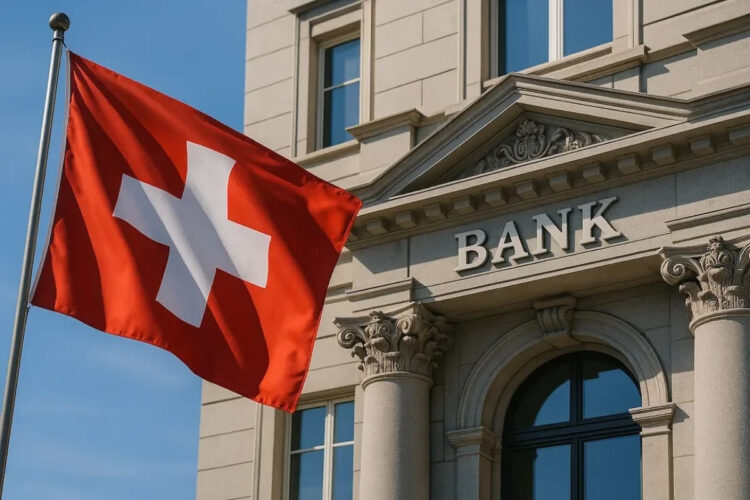
Switzerland has taken the significant step of freezing any assets in its jurisdiction that are linked to Venezuelan President Nicolás Maduro and individuals close to him.
The decision, announced by the Swiss Federal Council just days after Maduro was arrested in Caracas by United States forces and transferred to the United States, highlights concerns over potential illicit finances, and reflects a broader international response aimed at holding high‑level political figures accountable in times of political turmoil.

AD: Capeesh Restaurant
The measure is effective immediately and will remain in place for four years, covering all possible assets held by Maduro and his associates in Swiss banks or financial institutions.
Officials emphasised that existing sanctions imposed on Venezuela since 2018 remain in effect, and that Switzerland intends to work within its legal framework to ensure that any funds deemed to have been obtained unlawfully are returned in ways that benefit the Venezuelan populace.
Swiss authorities underlined that members of the current Venezuelan government are not directly affected by the freeze, a distinction that highlights a focus on individuals closely associated with the former leadership rather than broader state assets.

AD: Oysterian Sea Food Restaurant And Bar
The rationale behind the asset freeze reflects the formal legal structure that underpins Switzerland’s approach to politically exposed persons and the handling of assets that might have questionable origins. The Federal Council invoked principles from the country’s law governing the freezing and restitution of illicit foreign assets.
That legislation allows authorities to block access to funds when there are indications that assets could have been acquired through unlawful means and when political circumstances shift dramatically in the person’s home country.
According to an official Swiss statement, the government’s top priority is to ensure that assets are not moved out of the country while questions remain about their provenance.
If future legal proceedings or investigations demonstrate that certain funds were acquired illicitly, Swiss officials have indicated an intention to redirect them in ways that may assist the Venezuelan people rather than leaving them tied up in legal limbo or allowing them to be exported elsewhere.
The recent freeze tied specifically to Maduro and his network broadens that approach, reflecting new geopolitical developments sparked by his capture and looming legal actions in the United States. It underscores how international responses to political crises can evolve rapidly when leadership changes, arrests, or significant legal challenges arise.
At its core, the freeze is designed to prevent assets that might have been acquired illegally from leaving Swiss financial systems. Swiss authorities are particularly cautious when dealing with politically exposed persons from countries marred by long periods of economic instability, corruption allegations, or irregular governance. In such contexts, the risk that public funds or improperly obtained private assets could be moved abroad and concealed is heightened.
The freeze also reflects a broader international approach to addressing corruption and accountability. Many countries employ asset freezes, travel bans, and related sanctions against individuals accused of wrongdoing as part of a strategy to deter abuse and protect vulnerable populations.
In the context of Venezuela’s political crisis, such measures aim to send a signal that high‑level actors cannot easily shield assets in foreign financial centres when serious allegations exist.
While Switzerland’s move is significant, officials have been careful to stress that the broader administrative measures remain preventive rather than punitive.
However, should evidence eventually emerge that specific funds in Swiss institutions were obtained through unlawful activity, there exists an established legal pathway that could permit restitution directed toward public benefit.
Impact and Broader Implications
The asset freeze has implications both for Venezuela’s internal dynamics and for international financial norms. Within Venezuela, the development has stirred debate over the future role of outside governments and institutions in addressing issues tied to corruption and governance.
Some political analysts view the move as part of wider pressure from Western nations seeking accountability, while others warn against steps that could further destabilise a country already facing economic hardships.
Economically, the freeze adds complexity to the already strained financial arrangements surrounding Venezuelan assets held abroad. Over recent years, estimates have surfaced indicating that significant sums possibly running into billions of francs linked to Venezuelan interests have existed in Swiss banks.
While the exact holdings tied directly to Maduro and his associates remain unclear, the freeze raises attention on the volume of money under scrutiny and the difficulties of distinguishing between legitimate and questionable funds in such cases.
The step also highlights Switzerland’s role as a global financial hub and its responsibility in managing politically sensitive assets. With strong legal protections and privacy guarantees, Swiss banks have long attracted international capital.
Critics of the system have at times argued that secrecy laws can serve to conceal illicit funds. The freeze, and the legal mechanisms behind it, reflect an evolving balance between financial openness and regulatory oversight.
International governments and organisations will watch closely how Switzerland handles potential restitution if evidence of unlawful acquisition solidifies. The idea of returning assets to benefit ordinary Venezuelans places an emphasis on addressing the humanitarian needs of a nation that has endured years of economic distress, social disruption, and political conflict.

AD: Heritage And Restaurant Lounge Bar