

By Ben Kerrigan-
London Mayor Sadiq Khan has said Jason Arday was the victim of an “unacceptable public hounding and campaign of abuse”, as the death of the former Cambridge professor triggers a renewed debate over racism, media scrutiny and the limits of public accountability.
Arday, 41, was found unresponsive at an address in Battersea, South London, on Friday afternoon and was pronounced dead at the scene. The Metropolitan Police said his death was being treated as unexpected but was not believed to be suspicious. Officers are investigating the circumstances and will prepare a file for the coroner.

AD: Capeesh Restaurant
The circumstances of his death have not been publicly established, and there is no official finding that the scrutiny surrounding him caused it. But the intensity of that scrutiny, and the effect it appeared to have on Arday in the final days of his life, have become central to the response to his death.
Khan, writing on social media, said Arday had faced “an unacceptable public hounding and campaign of abuse”. The mayor went further, describing him as the victim of “a pernicious public shaming that other people in his position simply wouldn’t have faced”.
“His death was a tragedy, but once again it should be a wake up call for all of us,” Khan said.

AD: Oysterian Sea Food Restaurant And Bar
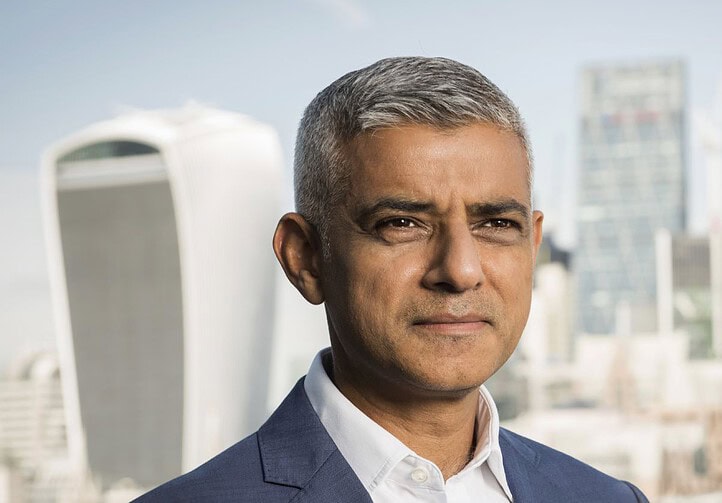
London Mayor: Sadiq Khan
The intervention by the mayor places the treatment of Arday firmly at the heart of the national conversation. It also reflects concerns voiced by academics, trade union leaders and politicians who believe the former professor was subjected to a level of hostility that went beyond legitimate scrutiny of his academic record.
Arday’s family said they were “in shock” at the loss of a father, partner, brother, uncle and son. In a statement issued through his publisher, Simon & Schuster UK, they said a “campaign of misinformation” had become too much for him and described him as a gentle man who always wanted to see the best in others.
The family’s statement has added a deeply personal dimension to a controversy that had previously centred on questions about academic integrity and Arday’s rise to one of the most prominent positions in British higher education.
Scrutiny
Arday became Cambridge’s youngest Black professor when he was appointed professor of sociology of education in 2023, at the age of 37. His appointment was widely regarded as a significant moment for representation within an institution with a long and complicated history around race and access to higher education.
But his career came under extraordinary scrutiny this year after allegations were made about plagiarism in his academic work. Arday denied plagiarism, although he acknowledged errors in some of his earlier work.
The controversy subsequently expanded beyond his publications, with questions raised about aspects of his personal history and claims concerning his achievements. Cambridge announced an investigation into the circumstances of his appointment and his time at the university.
The intervention by the mayor places the treatment of Arday firmly at the heart of the national conversation. It also reflects concerns voiced by academics, trade union leaders and politicians who believe the former professor was subjected to a level of hostility that went beyond legitimate scrutiny of his academic record.
Arday’s family said they were “in shock” at the loss of a father, partner, brother, uncle and son. In a statement issued through his publisher, Simon & Schuster UK, they said a “campaign of misinformation” had become too much for him and described him as a gentle man who always wanted to see the best in others.
The family’s statement has added a deeply personal dimension to a controversy that had previously centred on questions about academic integrity and Arday’s rise to one of the most prominent positions in British higher education.
The controversy subsequently expanded beyond his publications, with questions raised about aspects of his personal history and claims concerning his achievements. Cambridge announced an investigation into the circumstances of his appointment and his time at the university.
Arday resigned from Cambridge on 5 August. In his resignation statement, he said criticism was an inevitable part of academic life but argued that what he had experienced had gone far beyond normal scholarly disagreement.
He said the “relentless accusations, speculation and public commentary” had taken a “profound toll” on him and those he loved. He also made clear that his resignation should not be interpreted as an acceptance of the narratives that had developed around him.
His supporters now argue that those words should be examined in the context of what happened to him after his appointment became the subject of public controversy.
Professor Simon Baron-Cohen, director of Cambridge’s Autism Research Centre, said he had spoken to Arday on the morning of his death. He described him as an “incredibly, kind and gentle and caring man” and said Arday had felt unable to leave his house.
Baron-Cohen said the academic had described experiencing a campaign against him for several years and had told him that “they’ve destroyed my life”.
Professor Kehinde Andrews, a friend of Arday, similarly said the former academic had been “very down” after resigning and was effectively not leaving his home. Andrews argued that Arday’s experience should prompt a wider examination of the treatment of Black academics in British universities.
Those accounts have intensified concern about the human cost of public controversy. They do not, however, establish what caused Arday’s death, and it would be premature to draw a direct causal connection before the coroner has considered the evidence.
The debate also cannot simply erase the legitimate questions that had been raised about Arday’s academic record. Allegations of plagiarism involving a senior university professor are serious and deserve proper investigation. Universities have a duty to protect academic standards, and public figures in positions of authority cannot automatically be shielded from criticism because scrutiny is uncomfortable.
The question raised by Khan and Arday’s supporters is different. It revolves around whether legitimate scrutiny became excessive, personal or racially charged.
What is now impossible to ignore is the scale of the pressure Arday described before his death. His resignation came after weeks of intense public examination, and he said the personal cost had become too great. His family now says that the campaign surrounding him had become unbearable.
His supporters now argue that those words should be examined in the context of what happened to him after his appointment became the subject of public controversy.
The debate also cannot simply erase the legitimate questions that had been raised about Arday’s academic record. Allegations of plagiarism involving a senior university professor are serious and deserve proper investigation. Universities have a duty to protect academic standards, and public figures in positions of authority cannot automatically be shielded from criticism because scrutiny is uncomfortable.
The question raised by Khan and Arday’s supporters is different: whether legitimate scrutiny became excessive, personal or racially charged.
The university’s investigation into his appointment means questions about how his credentials were assessed, how concerns were handled and whether the institution acted appropriately are likely to remain under scrutiny.
There is therefore a difficult balance at the centre of the story. Arday’s supporters believe he was subjected to an extraordinary campaign of public hostility, with racism playing a significant role. Critics and investigators, meanwhile, had legitimate reasons to question elements of his academic record and professional history.

Ex Cambs Prof Jason Arday was found dead at his home
Professor Simon Baron-Cohen, director of Cambridge’s Autism Research Centre, said he had spoken to Arday on the morning of his death. He described him as an “incredibly, kind and gentle and caring man” and said Arday had felt unable to leave his house.
Baron-Cohen said the academic had described experiencing a campaign against him for several years and had told him that “they’ve destroyed my life”.
Professor Kehinde Andrews, a friend of Arday, similarly said the former academic had been “very down” after resigning and was effectively not leaving his home. Andrews argued that Arday’s experience should prompt a wider examination of the treatment of Black academics in British universities.
Those questions must be answered carefully. Arday’s death should not be used to settle unresolved arguments about his academic record, nor should legitimate questions about that record be used to dismiss concerns about racism, harassment or the consequences of relentless public scrutiny.

AD: Heritage And Restaurant Lounge Bar