
By Segun Ade
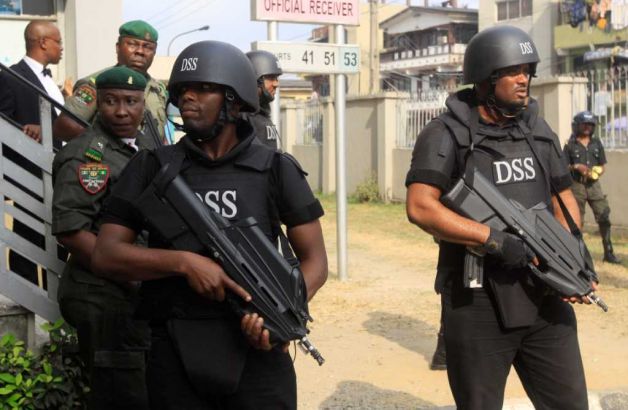
More than 300 people abducted in northern Nigeria have been rescued in what President Bola Tinubu has described as the country’s largest single-day rescue operation carried out by security forces, marking a major breakthrough in the fight against a worsening kidnapping crisis that has affected communities across the region.
A total of 308 victims were freed during the intelligence-led operation, according to the Nigerian president, with those rescued now receiving medical attention after being recovered from a forest location. Among those liberated were 163 people who had been abducted from Woro community in Kwara State in February, along with a further 145 victims, many of them taken from Niger State.

AD: Capeesh Restaurant
The details surrounding the operation remain limited, with authorities yet to disclose the exact location of the rescue, the identities of those responsible for the abductions or whether any suspects were arrested. However, President Tinubu hailed the mission as a major achievement for Nigeria’s security services and praised the cooperation between agencies involved in bringing the hostages to safety.
“The successful execution of this intelligence-led operation demonstrates the growing efficiency and collaboration among our security services,” Mr Tinubu said, adding that he commended security personnel for their “bravery and unwavering commitment” to protecting Nigerian lives.
The rescue comes as Nigeria continues to battle one of the world’s most persistent kidnapping crises, particularly in the country’s northern regions where armed groups routinely target communities, travellers, farmers and students.

AD: Oysterian Sea Food Restaurant And Bar
Kidnapping for ransom has become a major security challenge, with criminal networks exploiting vulnerable communities and using abductions as a source of income and influence.
The scale of the latest rescue operation provides relief for hundreds of families who have endured months of uncertainty over the fate of their loved ones. Many relatives of kidnapped victims across Nigeria find the waiting period after an abduction to be marked by fear, financial pressure and emotional trauma, particularly when criminal groups demand large ransom payments before releasing hostages.
Nigeria has experienced years of insecurity linked to multiple armed groups operating in different parts of the country. In the northwest and north-central regions, so-called bandit groups have carried out repeated attacks, often targeting rural communities and abducting residents for ransom.
These armed groups are frequently made up of former herders and criminal networks who have become involved in violent conflicts with farming communities. Competition over land, resources and local power has contributed to instability, while weak security presence in some rural areas has allowed armed groups to operate with relative freedom.
The latest rescue operation comes against a backdrop of continuing violence in northern Nigeria. While authorities have celebrated the release of more than 300 victims, communities in several states remain under threat from armed attacks.
Zamfara State, in particular, has suffered repeated violence, with residents facing killings, kidnappings and attacks on farming communities. In late June, gunmen attacked a farming community in the Talata Mafara area of the state, killing at least 15 people. No group immediately claimed responsibility for the attack, but local officials described it as a terrorist incident.
Abdullaziz Yari, a federal lawmaker representing the area, condemned the attack and called for stronger action to protect communities affected by violence. Local government chairman Yahaya Yari, who is not related to the lawmaker, also made an emotional appeal during the funeral of victims, urging President Tinubu and senior government officials to intervene and bring an end to the cycle of killings.
The latest violence followed another deadly attack earlier in June, when gunmen reportedly killed 17 farmers and injured at least 13 others as they worked in their fields in Goron Namaye, another area of Zamfara State.
The repeated attacks have raised concerns about the ability of security forces to protect rural communities, where many residents depend on farming for their livelihoods. Fear of violence has disrupted agricultural activities in some areas, with farmers reluctant to enter fields because of the risk of attacks or abduction.
Kidnappings have also affected Nigeria’s education system, with schools frequently targeted by armed groups seeking international attention or financial gain. Large-scale abductions of students have become one of the most recognised symbols of the country’s security challenges, drawing global concern and increasing pressure on authorities to improve protection measures.
The government has repeatedly promised stronger action against criminal groups, including improved intelligence gathering, increased security operations and greater cooperation between agencies. Officials argue that recent successes demonstrate progress in strengthening Nigeria’s response to the threat.
However, security analysts have warned that military operations alone may not be enough to resolve the crisis. They argue that long-term solutions must also address underlying issues such as poverty, unemployment, weak local governance and conflicts over land and resources that allow armed groups to recruit and operate.
For the hundreds of people rescued in the latest operation, the immediate priority is recovery after their ordeal. Medical teams are assessing their physical condition, while families await reunions with relatives who disappeared months earlier.
The operation represents a rare moment of relief in a country where many communities have become accustomed to insecurity. But it also highlights the scale of the challenge facing Nigeria, where thousands of people remain affected by kidnapping, armed attacks and displacement.
President Tinubu’s government will now face pressure to build on the success of the rescue operation and demonstrate that such actions can become part of a broader strategy to restore security across affected regions.
Communities in northern Nigeria will hope that the release of 308 victims will not only bring families back together but also signal a turning point in the fight against the armed groups that have caused years of fear and instability.
The challenge ahead remains enormous. While the rescue operation has delivered a significant victory, many Nigerians continue to live with the daily threat of violence, waiting for lasting security rather than temporary relief.

AD: Heritage And Restaurant Lounge Bar