
By James Simons-
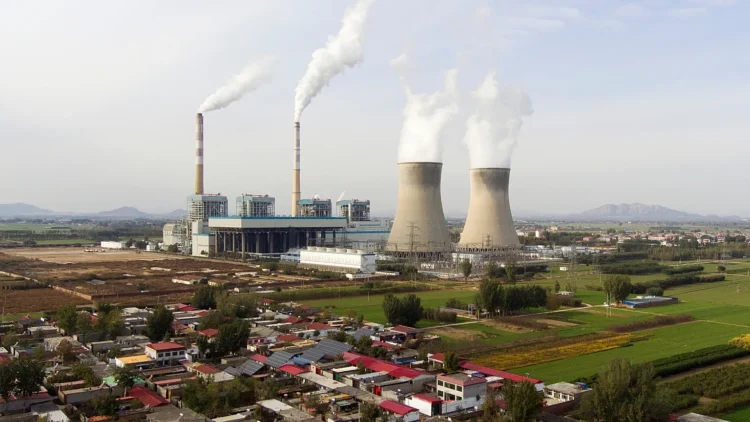
A groundbreaking report released this week has revealed a stark truth about the global climate crisis. That is that just 32 fossil fuel and cement companies were responsible for more than half of the world’s carbon dioxide (CO₂) emissions in 2024.
The findings, drawn from the most recent data in the Carbon Majors database, illustrate the outsized influence a small group of corporate giants exerts on the planet’s climate and intensify calls for accountability and reform from governments, experts and campaigners worldwide.

AD: Capeesh Restaurant
Environmental scientists, climate activists and legal experts alike have highlighted the concentration of emissions as both a symptom and a driver of the ongoing climate emergency. Their voices underscore the urgent need for policy innovation, industrial transformation and legal frameworks capable of confronting the immense scale of the challenge.
The companies implicated range from state-owned behemoths to investor-owned multinational oil and gas firms all bound by a common link: fossil fuel production.
This study arrives at a critical moment, just ahead of international climate discussions and in the wake of a series of extreme weather events scientists link to continued warming. While global leaders prepare for upcoming negotiations, the data offers both a stark warning and a renewed impetus for transformative action.

AD: Oysterian Sea Food Restaurant And Bar
The recent analysis part of the influential Carbon Majors dataset that tracks corporate CO₂ emissions from fossil fuel extraction and cement production found that 32 companies accounted for more than 50% of global fossil fuel and cement CO₂ emissions in 2024.
This concentration far outstrips what most people assume about the diffuse responsibility for climate change and highlights the role of major industrial players in driving greenhouse gas pollution.
The top emitters include Saudi Aramco, the world’s largest oil exporter and the leading corporate source of CO₂ in the dataset, as well as other state-owned and investor-owned firms from around the world.
Experts say the scale of emissions tied to these firms should shape global climate policy. “Seeing how emissions are concentrated underscores the need for targeted action at the source not only on the consumer side but also on the production and corporate governance side,” noted a climate policy researcher familiar with the report.
In practical terms, this could include corporate emission caps, fossil fuel production limits, and legal liability mechanisms that hold producers accountable for climate damages.
The asymmetric distribution of emissions also reflects broader geopolitical and economic realities. Many of the top firms are state-owned enterprises, especially from oil- and coal-rich countries, giving national governments a direct stake in both fossil fuel revenue and climate policy outcomes.
According to ancillary analysis, state-controlled entities were responsible for a majority of the world’s fossil fuel and cement CO₂ emissions, while private companies accounted for a significantly smaller portion a dynamic with implications for diplomatic negotiations and climate governance.
These findings are consistent with earlier data showing that a small number of companies have historically dominated global CO₂ output. Previous Carbon Majors analyses found that 36 fossil fuel producers were linked to more than half of global emissions in recent years and that state-owned firms play a particularly prominent role.
Yet the current report’s focus on 32 firms brings the issue into sharper relief: a tiny subset of global energy producers wields disproportionate influence over the climate trajectory.
This reality has galvanised calls among activists for a shift from broad consumer-focused strategies to policies that directly address production including proposals like the Fossil Fuel Non-Proliferation Treaty and other international instruments intended to limit extraction and use of fossil fuels.
Reaction to the report has been swift and often polarized. Climate advocacy groups point to the data as evidence that fossil fuel firms must be central targets of climate policy not merely peripheral actors whose products happen to be consumed by individuals and governments.
Some legal experts argue that the concentration of emissions could form the basis for litigation aimed at holding producers financially accountable for climate impacts, including extreme weather losses, health costs, and infrastructure damage.
A leading figure in the climate movement described the findings as “a glaring accountability gap,” arguing that “without confronting the role of these producers head-on, global climate goals will remain out of reach.”
This perspective resonates with recent legal developments, such as “Climate Superfund” laws enacted in parts of the United States that enable municipalities to seek damages from fossil fuel companies for historic and ongoing pollution.
Representatives of some fossil fuel companies contend that the responsibility for emissions lies not just with producers but with end users including governments, corporations and consumers that demand energy for transportation, manufacturing and daily life.
They also emphasise that some firms are investing in carbon capture, storage, and renewable energy projects, even if these efforts remain small relative to the scale of their fossil fuel operations.
Despite industry pushback, many analysts argue that the pace of renewable investment by major fossil fuel companies has been insufficient given the scale of the crisis.
A separate recent study found that fossil fuel firms account for only a tiny fraction of renewable energy projects worldwide, highlighting the gap between rhetoric and the investments needed to decarbonise global energy systems.
International environmental bodies have seized on the new emissions data as a call to accelerate climate action. The United Nations, in its latest Emissions Gap Report, warned that global warming has already breached critical thresholds and that current policies are inadequate to limit temperature rise to 1.5 °C above pre-industrial levels without dramatic reductions in fossil fuel use reductions that must occur rapidly to avert the most severe climate impacts.
Many climate scientists also highlight the link between concentrated emissions and extreme weather. Earlier research connected fossil-fuel-driven greenhouse gas pollution with increases in heatwave frequency and intensity worldwide a trend that threatens public health, food security and infrastructure resilience as the planet warms.
These associations underscore the urgent humanitarian implications of continuing business-as-usual production by major fossil fuel companies.
The concentration data is increasingly cited in global climate forums, including at the next United Nations climate summit, where policymakers will debate production-centred strategies alongside traditional demand-side mitigation measures.
Supporters of production-focused policy argue that meaningful progress on emissions will require not just consumer behaviour change but also binding limits on fossil fuel extraction and a managed decline of the fossil fuel industry itself.
The revelation that half of the world’s CO₂ emissions stem from just 32 companies marks more than a statistical milestone it represents a clear indicator of where climate action may be most effectively directed. Whether governments respond with aggressive regulation, legal accountability, or a renewed push for energy transition, the stakes could not be higher.

AD: Heritage And Restaurant Lounge Bar