
By Ben Kerrigan-
Iceland has voted against reopening negotiations to join the European Union, bringing a closely fought referendum to a decisive end after a dramatic night of counting that saw the result swing repeatedly between the two camps.
The “No” campaign narrowly prevailed, securing nearly 5.6% more of the vote than the “Yes” side. The margin amounted to just under 13,000 votes from more than 225,000 ballots cast, making the outcome decisive but far from overwhelming.

AD: Capeesh Restaurant
With turnout reaching 82.5%, the referendum recorded one of the highest participation rates in Icelandic national voting, underlining the importance many voters attached to the country’s long-running debate over its future relationship with the EU.
The result revealed a pronounced geographical divide. Reykjavík emerged as the strongest centre of support for reopening accession talks, with both of the capital’s constituencies voting clearly in favour.
Reykjavík North backed “Yes” by 57.5% to 42.5%, while Reykjavík South recorded a 54.5% to 45.5% majority. Outside the capital, however, support for renewed negotiations weakened sharply. The South constituency rejected the proposal by 60.5% to 39.5%, while the Northwest voted 62.9% against and the Northeast recorded a 61.2% “No” majority.

AD: Oysterian Sea Food Restaurant And Bar
The Southwest constituency, which includes commuter communities surrounding Reykjavík, proved considerably closer, but ultimately also rejected the proposal, with 53% voting “No” and 47% voting “Yes”.
The final result brought to a close an unusually tense count. When polls closed at 10pm local time, the first partial figures, heavily influenced by votes from Reykjavík, showed the “Yes” campaign comfortably ahead at almost 58%.
Pro-EU campaigners initially drew confidence from the strong turnout in urban areas, but the balance began to shift as results arrived from rural and coastal communities.
Fishing regions proved particularly decisive. Several communities where opposition to EU rules on fisheries quotas has remained strong for more than a decade returned “No” majorities of more than 65%. By around 2am CET, the national contest had tightened considerably, leaving the two sides almost level.
The decisive momentum came in the early morning when results from the northern agricultural region gave the “No” campaign a significant boost. A roughly 60-40 split against reopening accession talks pushed the national tally into “No” territory for the first time, and the lead subsequently held.
The final suspense centred on the Southwest constituency, one of the country’s largest electoral districts and home to around 79,000 registered voters.
The constituency had initially appeared evenly balanced, making it the key remaining battleground as the rest of the country’s results were declared. As counting progressed, however, “No” gradually pulled ahead. Its final tally, released at 11:30am CET, confirmed a 53% to 47% victory and formally settled the national result.
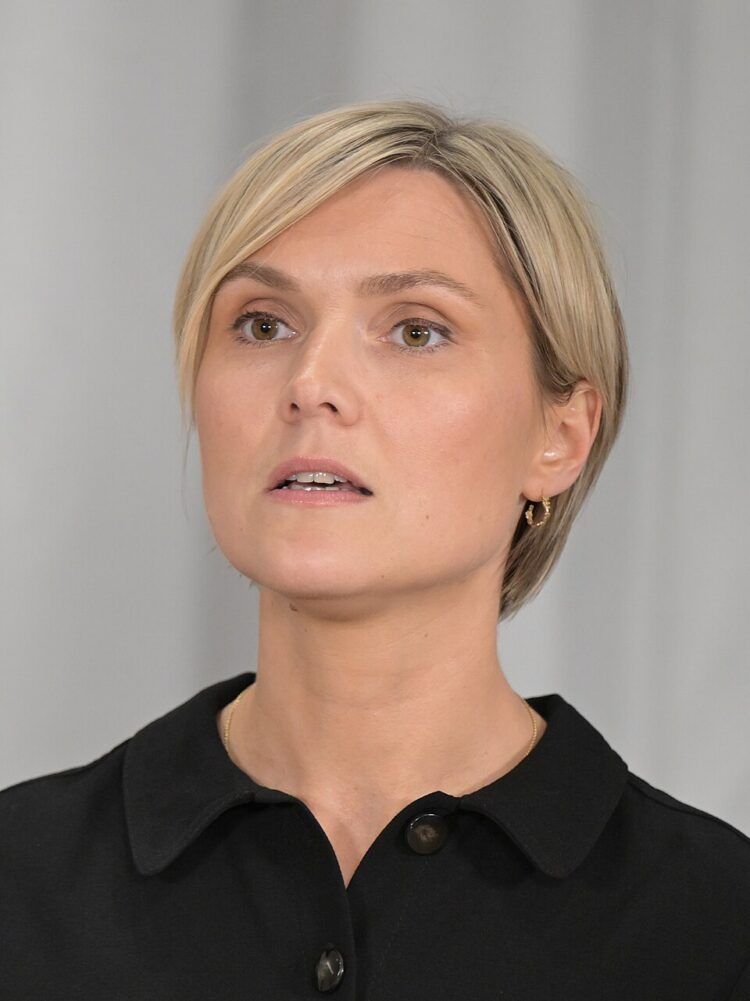
Prime Minister Kristrún Frostadóttir, who had openly backed reopening the negotiations, acknowledged the significance of the campaign after voting on Saturday. She said the referendum had elevated public discussion about the European Union, Iceland’s place in the world and the country’s wider geopolitical position.
Despite campaigning for a “Yes” vote, Frostadóttir had also stressed that Iceland would be able to manage regardless of the outcome. Her government had pledged that a rejection would effectively take the EU membership question off the political agenda for the remainder of her term, which runs until 2028.
The government had also indicated that, following a “No” result, the question of whether Iceland should formally withdraw its application for EU membership would be left to parliament rather than being decided unilaterally by ministers.
Former Icelandic president Ólafur Ragnar Grímsson, a long-standing opponent of EU membership, welcomed the result, writing on X that “the nation has spoken”.
Iceland’s debate over EU membership has its roots in the financial crisis of 2008-09, when the collapse of the country’s banking system pushed its economy to the brink. Iceland formally sought EU membership in 2009, but accession negotiations stalled four years later after a Eurosceptic coalition came to power.
The issue was revived by Frostadóttir’s Social Democratic-led government this year amid growing concern about geopolitical uncertainty and the changing security environment in Europe. The government argued that the international situation justified asking voters whether Iceland should once again consider closer integration with the EU.
The referendum result, however, means that the question will now be put aside for at least several years.
Despite the political significance of the vote, Iceland’s day-to-day relationship with the EU will remain largely unchanged. The country is already part of the European Economic Area, giving it access to the EU’s single market, and participates in the Schengen passport-free travel area. Those arrangements will remain in place following the referendum.
The vote itself is also not legally binding. Nevertheless, the government had committed to respecting the decision of the electorate, giving the result considerable political weight.
One of the most difficult issues in any future discussion with Brussels would have been fisheries. Iceland’s fishing grounds are central to both its economy and national identity, and successive governments have resisted transferring control over fish stocks and quotas to the EU’s Common Fisheries Policy.
EU Enlargement Commissioner Marta Kos acknowledged the sensitivity of the issue during the debate, saying Iceland’s particular circumstances regarding fisheries and agriculture would have to be carefully considered. She expressed confidence that the EU and its member states could find solutions that addressed Iceland’s specific concerns.
For now, however, those negotiations will not resume. With voters rejecting the proposal by a relatively narrow margin but on exceptionally high turnout, Iceland’s long-running EU question has once again been put on hold.
The result leaves the country maintaining its close economic and travel links with Europe while retaining its distance from full EU membership — at least until the issue returns to the political agenda in the years

AD: Heritage And Restaurant Lounge Bar