
By Charlotte Webster-
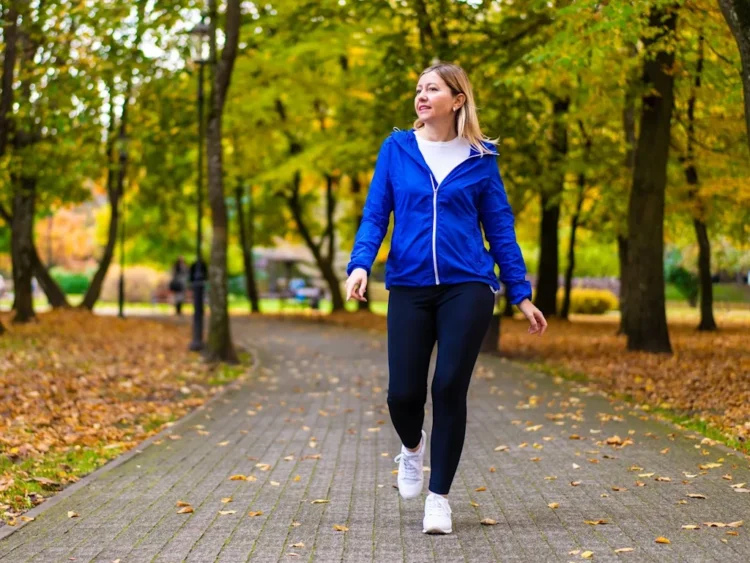
Fasted cardio has for many years been promoted as a gold-standard fat-loss strategy. The idea is simple. Exercise on an empty stomach, force the body to burn stored fat, and watch the weight come off. Yet, a growing body of research is challenging that long-held belief, suggesting that a far gentler habit of a 10-minute walk after your largest meal of the day may be more effective for long-term fat loss and metabolic health than a 30-minute cardio session performed before breakfast.
This shift in thinking is being driven by new insights into how the body processes food, manages blood sugar, and decides whether calories are burned for energy or stored as fat.

AD: Capeesh Restaurant
Rather than focusing solely on how many calories are burned during exercise, scientists are increasingly interested in when movement occurs. The post-meal window, it turns out, may be one of the most powerful and underused opportunities to influence fat storage.
According to a growing number of studies, light activity such as walking shortly after eating, helps muscles absorb glucose directly from the bloodstream, reducing insulin spikes that are strongly associated with fat storage.
This mechanism helps explain why timing can sometimes matter more than intensity. Health experts now argue that consistent post-meal movement could offer benefits that traditional fasted workouts struggle to deliver in real-world conditions.

AD: Oysterian Sea Food Restaurant And Bar
When a large meal is consumed, blood sugar levels rise as carbohydrates are broken down into glucose. In response, the pancreas releases insulin, a hormone whose primary job is to move glucose out of the bloodstream and into cells.
When insulin levels remain elevated for prolonged periods, the body becomes more likely to store excess energy as fat. This process is at the heart of many metabolic disorders and plays a major role in weight gain.
Research published in peer-reviewed medical journals shows that walking immediately after eating significantly reduces post-meal blood glucose spikes by directing glucose into working muscles rather than allowing it to circulate in the bloodstream.
A study examining post-prandial walking found that even short bouts of activity resulted in lower peak glucose levels compared with longer walks performed later.
In practical terms, this means that a brief walk taken soon after eating may prevent more fat storage than a longer workout separated from meals.
In one widely cited experiment, participants walked for 30 minutes after meals for a month and experienced meaningful weight loss, while delaying the walk by just one hour resulted in less favourable outcomes despite identical exercise duration.
The lead researcher lost nearly three kilograms over the study period, while participants who delayed their walks lost roughly half that amount. These findings highlight the importance of aligning movement with digestion rather than treating exercise as a disconnected event.
Additional research comparing different walking protocols found that a 10-minute walk immediately after glucose intake lowered blood sugar more effectively than a 30-minute walk begun later, reinforcing the idea that timing plays a critical role in metabolic control. Lower blood sugar peaks translate to lower insulin responses, which in turn reduce the likelihood that energy will be stored as fat.
Health professionals increasingly emphasise that fat loss is not solely determined by how much fat is burned during exercise but by how efficiently the body manages energy throughout the day. Walking after meals helps shift the body toward a metabolic state that favours energy use rather than storage, particularly in people with insulin resistance or sedentary lifestyles.
Why Short Post Meal Walks Can Outperform Fasted Cadio
Fasted cardio has long been praised because studies show it increases fat oxidation during exercise itself. Research from Nottingham Trent University found that participants burned up to 70 percent more fat during workouts performed on an empty stomach compared with sessions done after eating.
While this finding is often cited in fitness circles, experts caution that burning more fat during a single workout does not automatically translate to greater overall fat loss.
What matters more, researchers say, is total daily energy balance and how hormones like insulin behave across the entire day. A 30-minute fasted workout may burn fat during the session, but if blood sugar spikes later go unmanaged, the body can easily store more fat than was burned earlier. In contrast, walking after a meal directly targets the moment when fat storage is most likely to occur.
According to Amy Kwan, a physical therapist and doctor of physical therapy, walking after meals can be a powerful tool for weight management. She told Health.com that “walking after eating can help with weight loss and blood sugar management,” adding that walking within 30 minutes of eating appears to be particularly beneficial.
Nutrition experts echo this view, noting that muscles act like sponges for glucose when they are activated soon after eating. Chrissy Carroll, a registered dietitian and certified personal trainer, explained to EatingWell that post-meal movement helps the body handle carbohydrates more efficiently, especially when walking begins as soon as possible after a meal.
Statistics suggest that this approach may also be more sustainable. Data from public health studies show that people are more likely to maintain short bouts of activity integrated into daily routines than longer, more demanding workouts that require specific conditions, such as exercising on an empty stomach early in the morning. Sustainability, experts argue, is one of the most underestimated factors in successful fat loss.
Beyond fat loss, frequent post-meal walking has been linked to improvements in cardiovascular health, digestion, and blood pressure. Research summarised by medical news outlets indicates that consistent short walks after meals may reduce the risk of developing type 2 diabetes by improving insulin sensitivity over time.
This growing body of evidence does not suggest that fasted cardio is ineffective or harmful, but rather that it may be less impactful than once believed when compared with strategically timed low-intensity movement. For many people, especially those with busy schedules or limited access to gyms, a short walk after dinner may provide a more practical and metabolically efficient approach to managing weight.
The appeal of post-meal walking lies partly in its simplicity. It requires no equipment, no special preparation, and no extreme effort. It can be done almost anywhere and fits naturally into daily life. Experts increasingly argue that these qualities make it one of the most powerful yet overlooked tools for improving metabolic health.
While research continues to shift the conversation away from extreme fitness strategies and toward consistency and timing, the message is becoming clearer. Fat loss is not only about burning calories in isolation but about influencing how the body handles energy throughout the day.
In that context, a 10-minute walk after your biggest meal may quietly outperform far more demanding workouts, not because it burns more calories, but because it prevents the body from storing them in the first place.

AD: Heritage And Restaurant Lounge Bar