
By Kenneth Williams-
A scummy Florida woman is facing a felony charge after pretending to have cancer for about two years and persuading hundreds of people in her community to give her money for treatment, only for detectives to conclude that the illness was fabricated.
The news which first broke late last week, is still doing the rounds in the U.S, and is one that makes people lose faith in humanity sometimes. It will make the American public a lot more weary of supporting people claiming illness through financial donations.

AD: Capeesh Restaurant
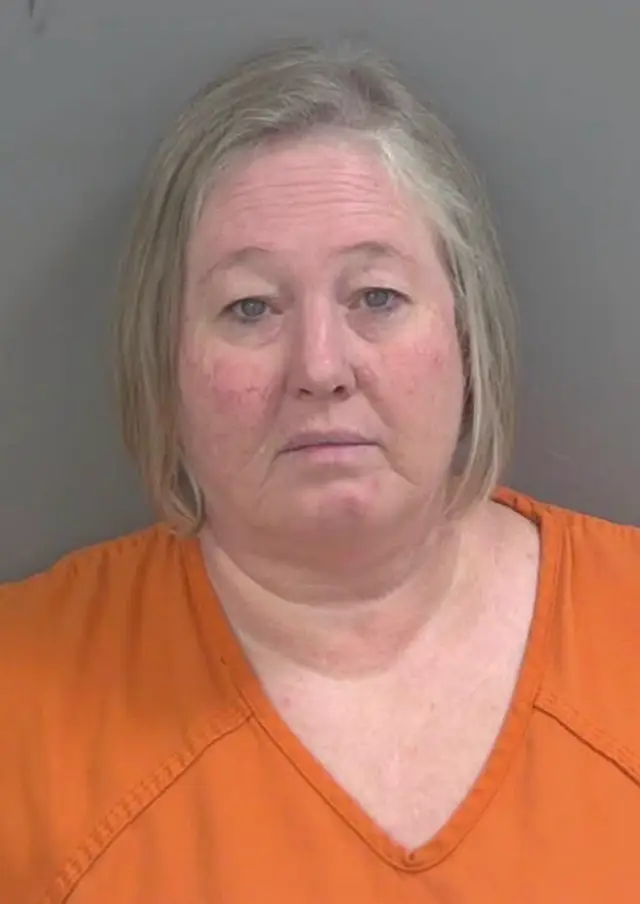
Maribeth Ellen Jones, 51,(pictured) of Bonita Springs, was arrested after an investigation by the Collier County Sheriff’s Office. Investigators allege that Jones told people between 2022 and 2024 that she had cancer, that her condition was deteriorating and that she was undergoing treatment. In all, 238 people are alleged to have contributed more than $40,000 through a mixture of online donations, cash and personal cheques.
Jones has been charged with grand theft involving property valued between $20,000 and $100,000, a second-degree felony under Florida law. The allegations have not been proved in court, and Jones is entitled to the presumption of innocence as the criminal case proceeds. She is expected to return to court on August 31.
The case has shocked the Bonita Springs community because the alleged deception was built not simply around an online appeal but around personal relationships. Jones worked as an activities director in a Naples-area community, meaning that residents who contributed to her fundraising efforts were not necessarily anonymous internet donors. Many were people who knew her and believed they were helping a neighbour, colleague or friend facing a life-threatening disease.

AD: Oysterian Sea Food Restaurant And Bar
Investigators say Jones went to considerable lengths to make the alleged diagnosis appear credible. Residents were reportedly told that her health was worsening and that she was receiving cancer treatment. At one point, community members even cut her hair because they believed she was preparing to undergo chemotherapy.
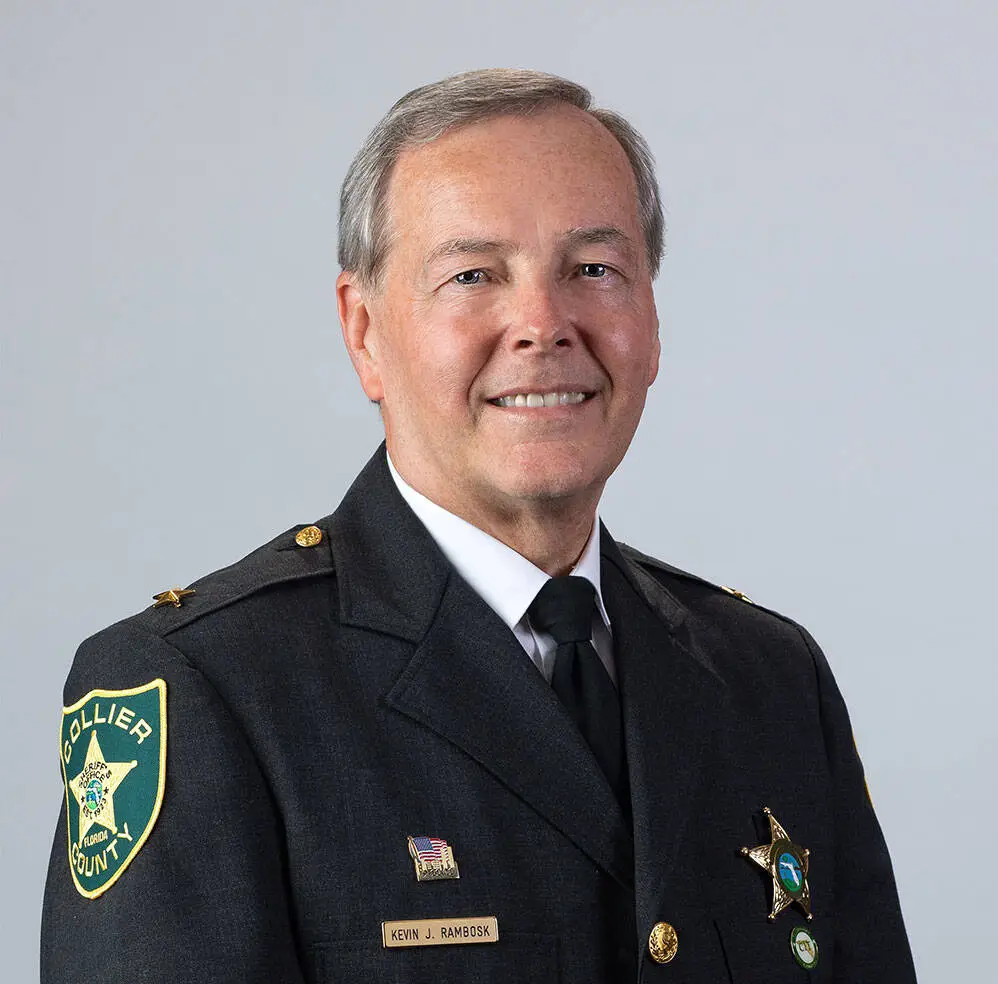
“This type of scam not only hurts victims financially, it undermines trust in legitimate fundraisers for people who genuinely need help,” Sheriff Rambosk said (Collier County Sheriff’s Office)
The apparent intimacy of the story is central to the case. A cancer diagnosis is one of the most emotionally powerful appeals for financial assistance, and the belief that someone is facing an illness personally can make people less likely to question the details of the request. In this case, investigators allege that the trust created within the community helped sustain the story for roughly two years.
A GoFundMe campaign was eventually created for Jones and linked to her personal bank account, according to investigators. Detectives also discovered two earlier GoFundMe campaigns in which Jones had allegedly claimed to have cancer.
The investigation ultimately concluded that Jones did not have cancer and that the money raised was instead used to address personal debts, according to the sheriff’s office. The allegations illustrate a difficult problem created by the growth of online crowdfunding: the same technology that allows communities to rally around people facing genuine hardship can also make it easier for false claims to reach large numbers of sympathetic donors.
Crowdfunding has transformed charitable giving over the past decade. Platforms such as GoFundMe allow individuals to raise money rapidly for medical bills, emergencies, disasters and other personal crises without the infrastructure traditionally required by established charities. That accessibility has made it possible for ordinary people to mobilise support within hours, but it has also created challenges in verifying claims made by individual fundraisers.
The Florida case is part of a much longer history of fraudulent appeals built around illness and charitable causes. Cancer has repeatedly been used by alleged fraudsters because it evokes an immediate emotional response and can involve substantial medical and living expenses. In 2015, the Federal Trade Commission and regulators from all 50 states and Washington DC brought a major enforcement action against four purported cancer charities accused of collecting more than $187 million from donors.
The authorities alleged that the organisations falsely claimed to assist cancer patients while the overwhelming majority of the money benefited the operators, their families, friends and professional fundraisers. The federal government has continued to pursue similar cases. In 2024, the FTC and 10 states sued operators of the Cancer Recovery Foundation International, also known as the Women’s Cancer Fund, alleging that the organisation collected more than $18 million between 2017 and 2022 while directing only about one per cent of the money towards helping cancer patients.
In another case announced in 2025, the FTC and agencies from 19 states took action against a fundraising operation accused of using deceptive cancer-related claims to solicit donations. The operation allegedly raised more than $45 million while only a tiny fraction was used for the cancer-screening purposes advertised to donors.
Those cases involved organised fundraising operations rather than an individual community fundraiser, but they demonstrate why authorities repeatedly warn that deceptive cancer appeals can have consequences extending far beyond the immediate financial loss. Fraudulent campaigns can divert money from legitimate causes and make people more suspicious of genuine requests for help.
That wider concern is reflected in the response from Collier County Sheriff Kevin Rambosk, who said the alleged conduct exploited the kindness of people who genuinely believed they were helping someone fighting for her life. The sheriff also warned that fraudulent fundraising can damage public confidence in legitimate appeals. “This type of scam,” he said, not only hurts victims financially but also undermines trust in legitimate fundraisers for people who genuinely need help.
That erosion of trust may be one of the most damaging consequences of cases such as this. For someone facing genuine cancer treatment, an online fundraiser can provide a vital lifeline for medical bills, housing, transport, childcare or other expenses. If donors begin to assume that emotional medical appeals may be fabricated, people with legitimate needs can find it harder to attract support.
The matter has also prompted renewed attention to the question of how donors can protect themselves without losing the willingness to help others. The Federal Trade Commission advises people not to rush into donations and to research fundraising claims before giving money. It warns that emotional stories containing few verifiable details should be treated cautiously and recommends checking the identity of the organisation or fundraiser and finding out how money will be used.
Verification for individual fundraisers can be more complicated because the appeal may be based on a personal story rather than an established charity with publicly available financial records. A donor may therefore need to consider whether people who know the beneficiary personally are supporting the campaign, whether updates are specific and credible, and whether the circumstances described can be independently confirmed.
At the same time, caution does not mean that every personal fundraiser should be regarded with suspicion. Genuine medical emergencies frequently leave families facing costs that insurance or public healthcare systems do not cover, and crowdfunding has become an important way for communities to provide rapid assistance.
The GoFundMe donors appear to be financially protected and have already received more than $41,000 in refunds, while people who gave Jones cash or cheques may have to rely on the criminal justice process for possible recovery.
GoFundMe says fraud on its platform is rare and maintains a donor-protection system under which eligible donations can be refunded when misuse is established. Its current Giving Guarantee says donations are protected for one year and that its Trust & Safety team investigates reports of misuse.
In the Jones case, GoFundMe said the fundraisers associated with her had been removed and her account banned from future fundraising. The company also said that more than $41,000 had been refunded to donors through its Giving Guarantee.
The alleged deception was about more than dollars. They believed they were standing beside a member of their community during a frightening and potentially fatal illness. Some apparently altered their own behaviour to support Jones, including helping her prepare for what they thought would be chemotherapy.
That personal dimension is what makes the allegations particularly disturbing. Jones now faces the criminal justice system, where prosecutors will have to establish the allegations beyond the relevant legal standard. Until then, the case remains an accusation rather than a conviction.
But the broader lesson is already clear. The digital age has made it easier than ever to mobilise generosity, just as it has made it easier to distribute false claims. The challenge for donors is to preserve the instinct to help while taking enough time to establish that the story behind an appeal is genuine.
In Bonita Springs, 238 people are alleged to have learned that lesson at a considerable financial and emotional cost. Their experience is a reminder that trust remains one of the most valuable currencies in any community — and, when deliberately abused, one of the most difficult to restore.

AD: Heritage And Restaurant Lounge Bar