
By Ben Kerrigan-
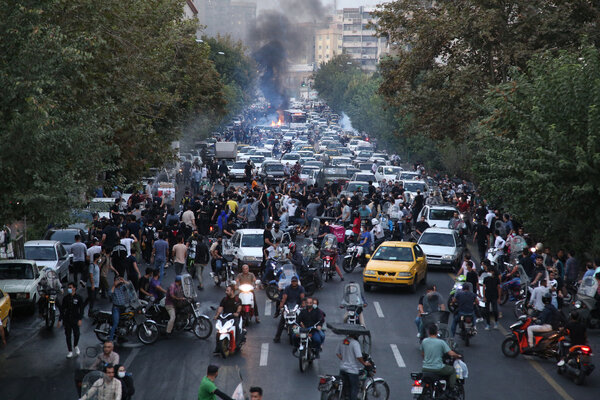
Across Iran, waves of protests have continued to ripple through cities and towns, reflecting deep rooted frustration that extends beyond immediate political grievances. Demonstrators voice anger over economic hardship, social restrictions, and state authority.
Yet, a powerful undercurrent runs through many of these protests, an objection to an imposed state religion that governs public and private life alike. That tension between personal belief and enforced doctrine has emerged as a central theme shaping dissent, drawing attention from observers across the region and beyond.

AD: Capeesh Restaurant
Iranian authorities describe the protests as foreign inspired unrest or isolated acts of disorder. Protesters tell a different story. Accounts shared through social media and interviews with diaspora outlets portray a society grappling with generational change, rising education levels, and widening exposure to global culture.
Many participants argue that compulsory religious rules no longer reflect lived reality. Mandatory dress codes, morality policing, and religious oversight permeate daily routines, shaping everything from school curricula to workplace norms. Resistance to such controls often surfaces alongside calls for dignity, choice, and civil rights.
The Islamic Republic roots its legitimacy in a system that blends governance with clerical authority. That structure emerged after the 1979 revolution and has defined Iran political identity ever since. Supporters view it as a safeguard of moral values and national independence. Critics see it as an instrument of coercion that stifles diversity of belief. Protest chants, placards, and slogans reveal growing impatience with the idea that faith must be enforced rather than chosen.

AD: Oysterian Sea Food Restaurant And Bar
Young Iranians stand at the heart of these demonstrations. Many grew up with internet access, satellite television, and connections beyond national borders. Exposure to alternative ways of life has sharpened awareness of restrictions at home.
While faith remains meaningful to many, protesters often distinguish between personal spirituality and state mandated religion. That distinction fuels resentment toward compulsory practices seen as outdated or unjust.
Religion plays an undeniable role within Iranian society, shaping rituals, holidays, and community life. Yet the issue driving many protesters centers on enforcement rather than belief itself. Laws governing dress, gender interaction, artistic expression, and speech draw authority from religious doctrine interpreted through the state.
With critics, that fusion leaves little room dissent or pluralism. Protests often erupt after incidents involving morality police or perceived religious overreach, turning personal tragedy into national outrage.
Women have emerged as visible symbols of resistance. Mandatory hijab laws carry heavy penalties, enforced through patrols empowered to detain or fine those deemed noncompliant. Many women argue that such rules deny autonomy and reduce faith to an instrument of control.
Acts such as removing headscarves during demonstrations or sharing images online represent not rejection of religion but rejection of coercion.
Men also participate actively, expressing solidarity and frustration with a system perceived as intrusive. Students, workers, artists, and professionals join rallies, reflecting a broad social base.
Economic stress compounds anger. Sanctions, inflation, and unemployment strain daily life, yet protesters often frame grievances in moral terms, arguing that enforced religiosity distracts leaders from governance and accountability. Commentators note that economic and religious issues intertwine, each amplifying the other.
Clerical authority faces its own internal debate. Some religious scholars argue that faith loses credibility when imposed through force. Others defend strict enforcement as essential to preserving Islamic values.
That internal tension receives limited space inside official media but circulates through independent platforms and exile based outlets.
State response remains firm. Security forces disperse protests, arrest activists, and restrict internet access. Officials insist that religious laws reflect popular will expressed after the revolution.
Yet, repeated protests indicate a widening gap between official narratives and social reality. Each crackdown appears to deepen resentment rather than restore calm. A broader struggle over identity and future
The protests highlight a larger struggle over Iranian identity. Is the nation defined primarily through a singular religious vision enforced through law, or can it accommodate diversity of belief and practice.
That question resonates strongly among youth, minorities, and urban populations. Many protesters emphasise that opposition targets imposition rather than faith itself. They argue that belief flourishes through choice and community, not compulsion.
Diaspora communities amplify these voices. Iranian expatriates organise rallies, lobby governments, and share stories across digital platforms. Their activism keeps international attention focused on the religious dimension of protests.
Regional observers watch closely. Iran influence extends across the Middle East through ideological and political networks. Unrest rooted in opposition to imposed religion raises questions about legitimacy and governance models. Neighbouring states with similar structures monitor events cautiously, aware that ideas travel even when borders close.
Within Iran, everyday acts carry political weight. Choosing clothing, music, or language becomes a statement. Protest art, songs, and graffiti often mock religious authority while celebrating personal freedom. Social media platforms serve as spaces expression despite censorship. Even as authorities restrict access, videos circulate widely, reinforcing a sense of shared struggle.
The future remains uncertain. Authorities show little sign of abandoning compulsory religious laws. Protesters show determination that transcends specific incidents. Each cycle of unrest appears to deepen awareness that the conflict runs deeper than policy disputes. It touches core questions about belief, autonomy, and the role of the state.
Some analysts argue that gradual reform remains possible through internal debate and generational change. Others warn that continued repression risks radicalisation and prolonged instability.
What remains clear involves the central role religion plays within the protest narrative. Opposition to imposed state religion has become a rallying cry uniting diverse grievances, encapsulating frustration with control over bodies, speech, and thought.
It challenges a system built upon the idea that faith must guide governance. As long as that tension persists, protests seem likely to recur, shaped through a struggle not only over politics but over the meaning of belief itself.
Iran stands at a crossroads shaped through its own history and the aspirations of its people. The voices echoing across streets and online platforms appears to speak to a desire dignity rooted in choice rather than obligation.
Whether those voices lead to reform or further confrontation remains an open question. Their message resonates clearly that faith imposed through power faces resistance from those who seek freedom to believe or not on their own terms.

AD: Heritage And Restaurant Lounge Bar