
By Sheila Mckenzie-
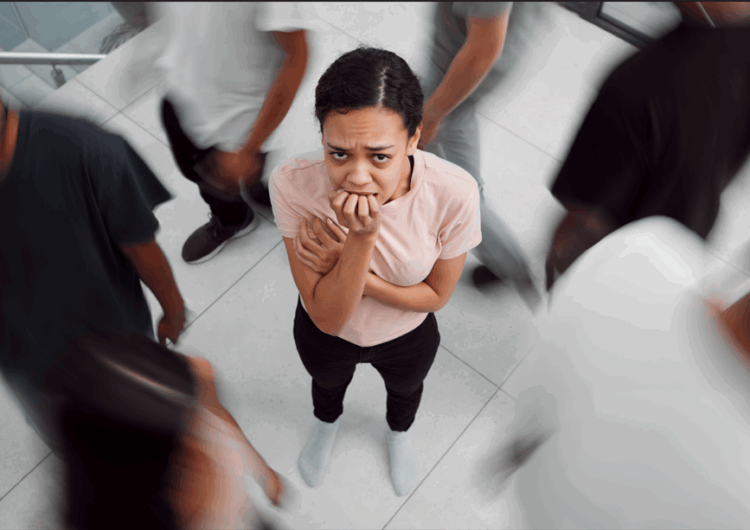
Anxiety is becoming one of the most reported mental health challenges of the mid-2020s, with surveys showing an increase in cases among young adults and working professionals. Experts attribute the rise to a combination of factors: economic uncertainty, the omnipresence of digital technology, and the lingering effects of global crises on mental wellbeing.
While the new year approaches, psychologists, researchers, and health advocates are sharing evidence-based strategies for managing anxiety effectively in 2026, emphasizing both personal habits and systemic support.

AD: Capeesh Restaurant
A recent study conducted by the UK Mental Health Foundation indicates that over 35% of adults report feeling anxious on a daily basis, while younger adults aged 18–29 experience heightened levels due to academic pressures, social media exposure, and job market instability
. Clinicians suggest that the modern pace of life demands new approaches to mental health care, combining traditional therapies with digital innovations and lifestyle adjustments.
Experts highlight a combination of behavioural, cognitive, and environmental techniques as the most effective ways to reduce anxiety. Cognitive Behavioural Therapy (CBT), long regarded as a gold standard for anxiety treatment, remains central.

AD: Oysterian Sea Food Restaurant And Bar
CBT helps individuals identify unhelpful thought patterns and replace them with practical coping strategies, often providing relief within weeks when practiced consistently.
In 2026, online CBT platforms and AI-driven therapy apps are becoming increasingly popular, offering accessibility for people who cannot attend in-person sessions due to geography or schedule constraints.
Mindfulness and meditation continue to be recommended tools. Studies suggest that even short, daily mindfulness practices can significantly lower physiological markers of stress and improve emotional regulation.
Apps that combine guided meditation, breathing exercises, and real-time mood tracking are expected to become mainstream in 2026, making mindfulness practices more structured and interactive than ever before.
Lifestyle factors, including exercise, diet, and sleep, are also pivotal in managing anxiety. Health professionals emphasise that regular aerobic activity, such as brisk walking, cycling, or swimming, helps regulate the body’s stress response.
Nutrition that supports brain health, including foods rich in omega-3 fatty acids, whole grains, and antioxidants, has been shown to reduce symptoms of anxiety. Meanwhile, sleep hygiene maintaining a consistent schedule, limiting screen time before bed, and creating a restful environment is critical to ensuring that anxiety does not spiral overnight.
Social connections remain an underappreciated but powerful tool against anxiety. Support networks, whether friends, family, or peer support groups, provide opportunities to share experiences and reduce the sense of isolation that often accompanies anxious thoughts.
In 2026, hybrid support models combining virtual and in-person interactions are likely to become standard, giving people flexibility while maintaining meaningful connections.
Experts warn that despite technological advancements, personal commitment to self-care remains central. “Tools and therapy can only go so far,” says Dr. Harriet Evans, a clinical psychologist in London. “The key to overcoming anxiety is consistent, intentional practice learning to notice stressors, responding mindfully, and creating habits that support mental resilience.”
In addition to traditional methods, emerging therapies and technologies are gaining attention. Virtual reality (VR) exposure therapy is increasingly used to help individuals confront specific fears in controlled environments, from social anxiety to fear of flying.
AI-driven mental health assistants, capable of detecting mood changes and providing real-time coping strategies, are also showing promise in clinical trials. These tools provide immediate, personalized support, allowing individuals to practice skills and track progress outside a therapist’s office.
Workplace strategies are adapting to the mental health crisis as well. More companies are introducing structured mental health days, flexible hours, and employee assistance programs focused on anxiety management. Experts argue that early intervention in professional settings not only improves productivity but also reduces long-term psychological risks.
Community initiatives are also playing a role. Public libraries, gyms, and community centres are increasingly hosting mental wellness workshops, peer-led meditation sessions, and informational campaigns aimed at destigmatizing anxiety.
These initiatives are particularly important for young people, who often face high levels of stress with limited access to professional care.
Looking ahead, researchers emphasize a holistic approach: combining evidence-based therapy, lifestyle modification, social support, and technological innovation. While no single method works for everyone, a layered strategy tailored to individual needs appears to provide the most sustainable relief.
Mental health experts predict that by 2026, society’s collective understanding of anxiety will shift, recognizing it not as a personal failing but as a condition that can be managed through skill, support, and access to effective tools.
The year ahead offers a chance to adopt these tactics and integrate them into everyday activities and life planning. Personal wellness can be significantly improved by making little, gradual adjustments like using a mental health app, connecting with a supportive friend, or practicing mindfulness for 10 minutes a day. With more self-assurance and emotional stability if they have the right resources, information, and assistance.

AD: Heritage And Restaurant Lounge Bar