
By Aaron Miller-
Rescue crews combed the waters of San Francisco Bay Wednesday as the search continued for three people missing after a boat carrying about 20 passengers sank near Alcatraz Island, leaving one person dead and several families waiting for answers. The disaster unfolded during what was meant to be a meaningful gathering on the water, turning a memorial trip into a desperate rescue operation.
The vessel, identified as the 49-foot cabin cruiser Volare, was traveling through the bay Tuesday afternoon when it encountered trouble and capsized. Authorities said the boat was carrying a group of people who had gathered for a memorial service.

AD: Capeesh Restaurant
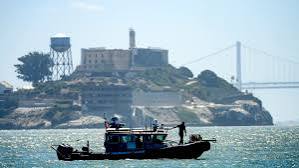
Sixteen passengers were rescued, while one passenger later died after being pulled from the water. Three others remained missing as search teams continued efforts using boats, aircraft, divers, and other specialised equipment. The accident happened near one of San Francisco’s most recognizable landmarks, where the waters surrounding Alcatraz Island created a difficult environment for rescue crews. According to reports the boat sank about 600 yards from Alcatraz after witnesses reported rough seas and the vessel taking on water before overturning.
Emergency responders faced the challenge of searching through cold, moving bay waters as multiple agencies deployed boats and rescue equipment in an effort to locate missing passengers. The busy waters between Alcatraz Island and the Golden Gate Bridge, combined with changing tides and open-bay conditions, added complexity to an already urgent search operation.
Memorial Voyage Becomes A Desperate Search

AD: Oysterian Sea Food Restaurant And Bar
The emergency call came Tuesday afternoon after reports of trouble aboard the vessel near Alcatraz. Initial reports suggested a possible fire, but officials later determined that what witnesses saw was likely steam created when hot parts of the boat met the cold water. Responders arrived to find the vessel largely submerged and passengers in the water.
The first moments after the sinking became a race against time as passengers were left fighting to survive in the cold waters of San Francisco Bay. Emergency crews and Good Samaritans rushed to help after the 49-foot cabin cruiser capsized near Alcatraz Island, with rescuers pulling survivors from the water as the search operation unfolded.
Local fishermen Justin Marceline and Michael Montoya were among those who assisted passengers before and alongside arriving emergency responders. Their quick actions became a critical part of the rescue effort, as crews worked through difficult bay conditions to locate and save those affected by the disaster.
Those who survived, the rescue brought relief mixed with grief. Several passengers were treated after being pulled from the water, and officials said some survivors suffered injuries but were in stable condition. Meanwhile, families of the missing faced the uncertainty of waiting as rescue teams continued searching through the night and into the following day.
The U.S. Coast Guard led the search effort after the boat sank near Alcatraz Island, working alongside local emergency agencies that deployed rescue boats, divers, and other specialised resources. Multiple agencies continued searching the waters after the vessel went down, with crews facing difficult conditions as they worked to locate the missing passengers and investigate the circumstances surrounding the sinking. The depth of the bay and the movement of the water added further challenges for rescuers, as teams had to carefully coordinate search operations in an unpredictable marine environment.
The sunken vessel itself added another complication. Authorities said the boat went down in a deep section of the bay, making recovery and underwater searches more difficult. Divers working in deep, dark waters must contend with limited visibility and changing conditions while attempting to locate possible survivors or provide answers to families.
The cause of the sinking remained under investigation. Officials were examining what happened in the moments before the vessel overturned, including the effects of waves, wind, tides, and the boat’s condition. Investigators had not yet determined whether passengers became trapped inside the vessel or were swept away after entering the water.
San Francisco Bay has long been a place where recreation and risk exist side by side. The same waters that attract tourists, boaters, and families can become dangerous when conditions shift. Strong currents, cold temperatures, and changing weather patterns can quickly transform a routine trip into a life-threatening emergency.
The tragedy near Alcatraz also highlighted the importance of preparation for anyone travelling by boat. Safety equipment, weather awareness, and emergency planning can become critical when accidents happen far from shore. Even experienced boaters can face unexpected situations when conditions change rapidly on open water.
Rescue crews searching the bay, every hour mattered. Their efforts continued as investigators worked to understand how a peaceful memorial journey became a deadly maritime disaster. The mission was not only about finding those still missing but also about bringing closure to families waiting along the shoreline.
Boats moved through the waters near Alcatraz and aircraft scanned the bay from above, the scene served as a reminder of both the dangers of the ocean environment and the determination of those who respond when tragedy strikes.
In the aftermath of the sinking, the search continued not only for three missing passengers, but for answers about what went wrong on a day that began as a gathering of remembrance. Rescue crews continued their efforts, families and loved ones waited for updates while investigators began piecing together the moments that led to the vessel’s collapse beneath the surface.
Each passing hour brought new challenges for search teams navigating the cold waters of San Francisco Bay, where visibility, weather conditions, and underwater terrain can complicate rescue operations. The mission required patience, precision, and coordination among multiple agencies determined to find those still missing.
The tragedy also brought attention to the risks faced by anyone travelling on open water. San Francisco Bay is a place where calm views can quickly give way to dangerous conditions, reminding boaters that preparation and safety measures remain essential. For emergency responders, however, the sinking highlighted the importance of rapid action and cooperation during moments when every second matters.l
Questions remained about the circumstances surrounding the disaster. Investigators worked to understand what caused the boat to sink and whether any mechanical issues, environmental factors, or other conditions contributed to the accident. The answers could provide important lessons for improving safety and preventing similar tragedies in the future.
Near the shoreline and beneath the shadow of Alcatraz Island, the search became more than a recovery mission. It became a reflection of resilience, showing both the vulnerability of those caught in unexpected danger and the commitment of those who risk their own safety to help others.

AD: Heritage And Restaurant Lounge Bar