
By Tony O’Reilly-
An Austrian court has convicted a climber of manslaughter after he left his girlfriend on Grossglockner, Austria’s highest mountain, to seek help during a winter ascent a case that has ignited debate over responsibility, risk and legal liability in one of Europe’s most treacherous outdoor environments.
The ruling, delivered this week in Innsbruck, handed the 37‑year‑old amateur mountaineer a suspended sentence and a substantial fine in a rare criminal prosecution stemming from a climbing tragedy that ended in hypothermia and death.

AD: Capeesh Restaurant
The decision has reverberated through the international climbing community and legal circles alike, as prosecutors, defence lawyers and judges grapple with how far personal responsibility extends in conditions that are inherently perilous. Experts say this case could potentially reshape expectations about the duty of care climbers owe to less‑experienced partners.
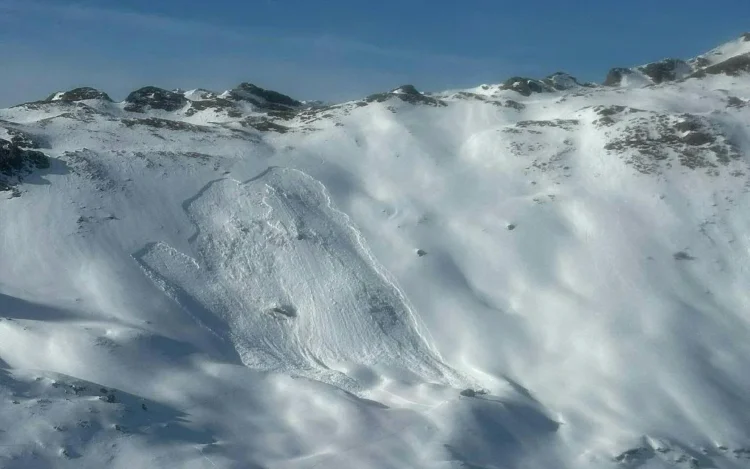
The woman who died, identified in court documents as Kerstin G, 33, was part of a climbing pair attempting a winter ascent of Grossglockner, a 3,798‑metre peak in the Hohe Tauern range that is widely considered one of the most challenging climbs in the Alps.
According to court testimony, the couple fell far behind schedule during their January 2025 attempt, and on a freezing night with wind chill making temperatures dangerously low she became exhausted just 50 metres from the summit.

AD: Oysterian Sea Food Restaurant And Bar
Despite having emergency equipment, prosecutors argued that the man failed to adequately protect his partner in those conditions.
Rather than ensuring she was wrapped in her emergency blanket or bivouac bag, he left her to descend alone in search of help at a nearby shelter. In the days that followed, her body was recovered by rescue teams; she had succumbed to the cold.
Legal scholars observing the case say it is unusual for prosecution to reach this stage in accidents that occur during voluntary recreational activities, highlighting the Austrian court’s assessment of negligence rather than sheer misfortune.
Tragedy On Grosslockner Raises Legal And Ethical Questions
The Grossglockner climb that ended in heartbreak began like many ambitious alpine treks: early in the morning, the pair set out from the Lucknerhaus trailhead, aiming for the summit via the Studlgrat route, known for its beauty and technical challenges in winter. Rough weather and deep snow slowed their progress throughout the day, and the pair were still climbing well after nightfall, according to reports.
Once the woman became too weak and hypothermic to continue, the climber decided to make his way down alone in search of help at a refuge lower on the mountain. Prosecutors argued that this decision and the sequence of prior choices amounted to a significant failure in judgment.
They pointed to a series of alleged missteps, including starting late in the day, continuing into deteriorating conditions, and not deploying emergency gear he was carrying.
In court, surveillance footage was shown that captured the climber’s final ascent and subsequent descent, illustrating the stark conditions and the isolation that surrounded the tragedy.
Prosecutors also noted that a nearby rescue helicopter flew over the area but was not alerted, and that multiple attempts by mountain police to reach the pair by phone went unanswered because the man’s phone had been placed in airplane mode.
The defense argued that the man’s actions were motivated by a genuine attempt to seek help and that he had not intended any harm. He pleaded not guilty at trial and told the court he was “so terribly sorry” for the outcome.
The judge acknowledged the defendant’s remorse and stated that he did not view him as “cold‑hearted,” but nonetheless determined that his actions met the legal threshold for gross negligence.
That threshold hinges on the concept of duty of care essentially whether someone who takes responsibility for another in a hazardous situation must act in a way that protects their well‑being. In this case, the court concluded the man, being more experienced than his partner, bore a higher degree of responsibility for anticipating danger and preventing harm.
The case has sparked vigorous discussion across the climbing community. Many climbers accept the inherent risks of alpine environments and the often mutual responsibility climbers share when tackling challenging routes together.
Some critics of the ruling argue that imposing criminal liability for accidents in such situations could discourage people from engaging in outdoor sports or lead to undue legal scrutiny when tragic outcomes occur despite strenuous efforts.
Conversely, advocates for the conviction say that the judgment underscores the seriousness of making safe decisions in extreme conditions, particularly when itineraries and equipment choices affect another person’s life.
The verdict may prompt climbers to be more mindful of the risks they take on behalf of others, especially in winter mountaineering where exposure, weather and fatigue can quickly turn life‑threatening.
The tragedy has also shone a spotlight on the broader challenge of balancing personal freedom with accountability in adventure sports. In alpine regions across Europe, thousands of climbers each season accept the dangers posed by snow, ice and high winds in order to pursue summits that have drawn athletes for generations. Fatalities occur with some regularity, but prosecutions like this are rare.
Legal analysts point out that what distinguishes this case from typical climbing accidents is not just the outcome but the judge’s interpretation of the climber’s duty toward his partner.
That interpretation could have ripple effects beyond Austria potentially influencing how civil liability, insurance claims and even criminal charges are considered in similar situations elsewhere.
Climbers who knew her, the loss of Kerstin G has been deeply felt. Friends and memorial pages established after the tragedy painted a picture of a dedicated outdoor enthusiast who cherished mountain life and the natural world.
Tributes described her as a “wonderful” and “beloved” companion, sister, daughter and friend. Her death has prompted expressions of sorrow and a desire for greater awareness of safety in alpine pursuits.
While the suspended sentence means the man will not serve time in prison immediately, the case remains under close scrutiny. Appeals could still be lodged, and legal experts say future proceedings may clarify or expand upon this landmark interpretation of duty of care in mountainous environments.
The debate sparked by this verdict reaches into deeper ethical territory: how to weigh personal autonomy against responsibility for another’s safety when the environment itself poses mortal danger.
Some climbers say that alpine sport will always carry risk, and that part of its allure is testing human limits. Others argue that preparedness, clear communication and prudent decision‑making are essential, non‑negotiable aspects of every expedition.
While winter fades from the high Alps and climbers prepare for spring ascents, the memory of this case and of the life lost beneath the summit of Grossglockner will likely remain a talking point in both mountaineering circles and legal forums.
The conviction has stirred questions about the boundaries of adventure, accountability and the human instinct to help even when the mountains demand the highest standards of preparedness and judgment.

AD: Heritage And Restaurant Lounge Bar