By Ben Kerrigan-
Channel 4 has defended its decision to broadcast a controversial documentary featuring disgraced former BBC newsreader Huw Edwards, insisting the programme will hold him accountable for his crimes and leave no difficult questions unanswered. However, the decision has sparked fierce criticism from politicians and campaigners, with concerns mounting over the potential emotional impact on victims of his offences and their families.
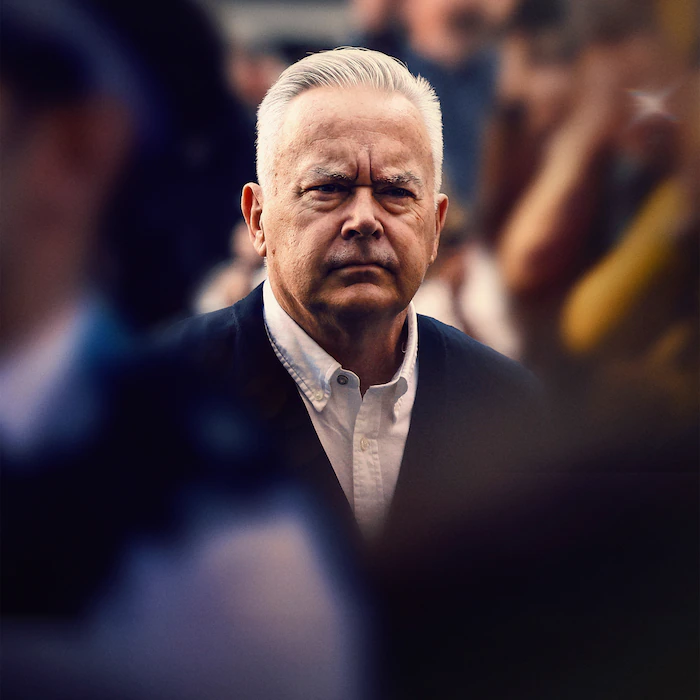
Titled Huw Edwards – Guilty, the documentary follows the former BBC News at Ten presenter as he attempts to rebuild his life following his conviction for making indecent images of children. Its planned release has triggered a heated debate over whether giving Edwards a public platform serves the public interest or risks reopening painful wounds for those affected by his crimes.
AD: Capeesh Restaurant
Shadow culture secretary Rebecca Paul was among the politicians to condemn the broadcaster’s decision, questioning why a publicly owned broadcaster would give airtime to a convicted sex offender. Writing on X, she said: “Why on earth is a state-owned broadcaster platforming this depraved sex offender? This man shouldn’t get a minute of airtime.” Independent MP Rosie Duffield, a member of the Women and Equalities Select Committee and a campaigner for victims of abuse, also described the decision as “bizarre”, arguing that the documentary risks prioritising Edwards’ perspective over the suffering of his victims.
Speaking to BBC Newsnight, Duffield questioned what audiences stood to gain from watching the former presenter discuss his downfall, particularly given the devastating experiences of the children depicted in the illegal images. She said: “I think this is a really bizarre decision by the commissioners at Channel 4.” She went on to challenge the broadcaster’s suggestion that Edwards was struggling to come to terms with his abuse of power, asking why viewers, and particularly his victims and their families, should be expected to watch him navigate those feelings. Duffield also highlighted the severity of the crimes, pointing out that some of the children involved were between seven and nine years old. She warned that seeing the documentary promoted and discussed as television entertainment could be deeply distressing for those whose lives had been affected by the offences.
“I don’t think we need to see or hear from Huw Edwards at the moment,” she said, adding that victims deserved greater consideration and protection from further distress. The criticism has also come from within government. Minister Anna Turley told LBC she was “deeply uncomfortable” with the interviews, suggesting Edwards was among a number of prominent figures who appeared to have been given a “free pass” despite their actions. Environment minister Emma Hardy was equally critical, telling LBC’s Nick Ferrari At Breakfast that she could not understand why Channel 4 had decided to broadcast the programme.

AD: Oysterian Sea Food Restaurant And Bar
“I don’t get why Channel 4 are putting this on,” she said, adding that the subject made her feel “a bit sick” and that it was not something she could support or would watch.
In response to the growing backlash, Channel 4 has stood firmly by its decision, arguing that the documentary is an exercise in investigative journalism rather than an attempt to rehabilitate Edwards’ public image. A spokesperson for the broadcaster said Channel 4 had an established reputation for producing high-quality, forensic documentaries and tackling challenging issues of public interest. The spokesperson added that Edwards had been a prominent public figure who had never publicly answered questions about his criminal behaviour and abuse of power. “In this film a highly experienced director holds him to account, with no questions off limits, revealing his account of what led to his offending and very public downfall,” the statement said.
The broadcaster’s senior commissioning editor, Sacha Mirzoeff, echoed that position, saying the documentary was part of Channel 4’s commitment to examining controversial subjects through rigorous filmmaking. Director Patrick Forbes also defended the project, describing it as an important film that touches on several major contemporary issues, including celebrity culture, media influence, crime and punishment. A trailer released ahead of the broadcast offers a glimpse into Edwards’ life at home in rural Wales, where he is questioned by an off-camera interviewer about his actions. In one exchange, when asked what he was doing, Edwards appears frustrated and responds: “You want me to analyse what I was doing? I mean, seriously?”
Asked later what he believed he was doing at the time, he replies: “I’d lost the plot.”
The interviewer challenges his response, prompting Edwards to retort: “No, not come on!”
In another clip released ahead of the documentary, Edwards appears to reflect on the advice he received following his downfall, saying: “Silence is toxic, I think. Lots of the advice I’ve had is just be quiet, don’t say anything.” The documentary is not the only production examining the former broadcaster’s dramatic fall from public prominence. An Observer podcast, titled What Happened To Huw Edwards, is also due to explore the circumstances surrounding what it describes as one of the most sensational public downfalls in recent memory.
Edwards pleaded guilty to three counts of making indecent images of children and possessing 41 photographs on WhatsApp, including seven images classified as the most serious category. He received a six-month prison sentence, suspended for two years. Before his conviction, Edwards was one of Britain’s most recognisable television journalists, having presented BBC News at Ten for decades. He was entrusted with delivering some of the country’s most significant news events, including the announcement of Queen Elizabeth II’s death.
His public downfall began in July 2023, when The Sun published allegations that a senior BBC presenter had paid a teenager for sexual images. Days later, his wife publicly identified him as the presenter at the centre of the controversy. The forthcoming documentary now places Channel 4 at the centre of a wider debate about accountability, public interest and the responsibilities of broadcasters when covering convicted offenders. While the broadcaster insists that Edwards must answer difficult questions about his actions, critics argue that the interests and wellbeing of victims should come first.
Huw Edwards – Guilty is scheduled to air on Channel 4 on Tuesday, December 1, at 9pm.
AD: Heritage And Restaurant Lounge Bar