
By Tony O’Reilly-
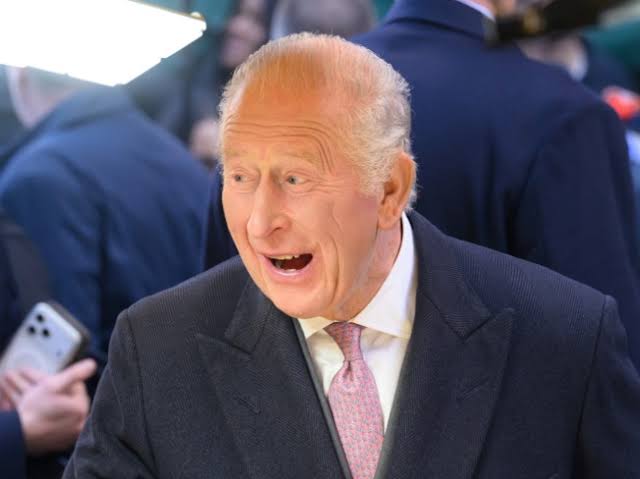
King Charles III visited Surrey Street Market this lunchtime to join celebrations marking the historic market’s 750th anniversary, bringing a rare royal presence to Croydon and attracting crowds of residents eager to catch a glimpse of the monarch.
The visit marked an important moment for a market whose history stretches back to medieval England and whose identity has been closely associated with Croydon’s commercial and community life for centuries.

AD: Capeesh Restaurant
Traders, shoppers and visitors gathered along the historic street as the King took part in the anniversary celebrations, meeting people and experiencing the atmosphere of a market that has witnessed generations of change.
The market’s royal connections date back to 1276, when King Edward I granted the first royal charter for a market in Croydon to Robert Kilwardby, the Archbishop of Canterbury.
The historic connection was particularly fitting for the occasion, given that King Charles III is the 20th great-grandson of Edward I, linking the modern monarchy directly to the origins of the market more than seven centuries ago.

AD: Oysterian Sea Food Restaurant And Bar
Charles’s appearance was also significant because it represented the first visit to Croydon by a reigning British monarch since his mother, Queen Elizabeth II, visited the borough on July 4, 2002, during her Golden Jubilee tour.
Her visit remains an important moment in the borough’s royal history, making today’s celebrations an occasion of considerable local interest.
The King was no stranger to Surrey Street, having previously visited the market in August 2011, shortly after the Croydon riots, and again in September 2012. His return therefore offered another opportunity to see how the area has changed over the years, although the condition of the market raises questions about the challenges facing its future.
Compared with its appearance around 15 years ago, Surrey Street now has more visibly empty pitches, highlighting the difficulties confronting traditional street markets as shopping habits and town-centre economies continue to evolve.
Nevertheless, the council continues to describe Surrey Street as a valued destination for shoppers, visitors and local businesses, underlining its importance to Croydon’s commercial and cultural identity.
The anniversary celebrations provided an opportunity to recognise the contribution of generations of market traders while drawing attention to the need to sustain the market as a viable destination for future generations.
The King proved to be a considerable attraction, drawing larger crowds than the street performers, dancers and musicians who had been entertaining visitors between the market stalls.
Residents turned out in anticipation of the celebrations, creating a lively atmosphere as people waited for an opportunity to see the monarch and witness a historic occasion in the heart of Croydon.
Charles also embraced the everyday character of the market, stopping to enjoy one of its bargain offerings with a purchase from the popular “Pound a Bowl!” stall. The moment provided a light-hearted reminder that, despite the grandeur of a royal visit, Surrey Street remains a place where ordinary shoppers come looking for affordable bargains.
Queen Camilla was not seen during the visit, with the King undertaking the Croydon engagement alone. Beyond the ceremonial significance, the 750th anniversary is an opportunity to reflect on the remarkable survival of a market that has operated through centuries of political, economic and social change.
From its medieval beginnings under Edward I to the present day, Surrey Street has remained part of Croydon’s identity, providing a meeting place for traders, residents and visitors.
Yet the celebrations also bring into focus how can Croydon preserve and revitalise one of its oldest historic institutions at a time when traditional markets face growing pressures?
The King’s visit may have brought renewed attention and temporary excitement to Surrey Street, but the longer-term challenge will be ensuring that the market’s next chapter is as meaningful as the 750 years that preceded it.
The royal visit was therefore more than an anniversary celebration. It was a moment to recognise an extraordinary piece of local history, celebrate the people who keep the market alive and consider what must be done to secure its future.

AD: Heritage And Restaurant Lounge Bar