
By Samantha Jones-
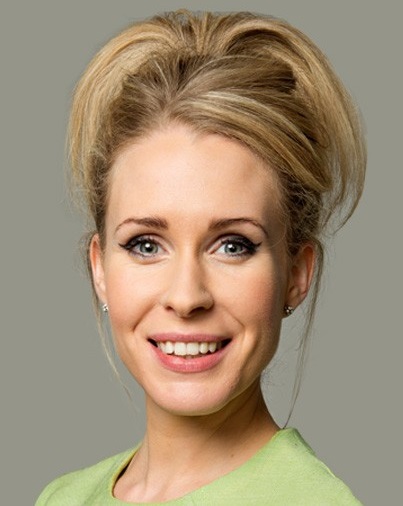
Comedian and television personality Lucy Beaumont has thrown her support behind the Close The Consent Gap Campaign, calling for changes to UK consent laws that currently allow adults to legally have sex with 16- and 17-year-olds. Her intervention has reignited debate about the protection of teenagers from sexual exploitation and the legal safeguards needed to prevent adults from abusing positions of power.

AD: Capeesh Restaurant
Ms Beaumont, 43, has described the existing legislation as an issue of serious concern, highlighting what she considers a contradiction in the law: while 16- and 17-year-olds are legally permitted to consent to sexual activity, other legal restrictions continue to recognise their vulnerability as children. Through her social media platform, she urged her followers to support the campaign and help bring about legislative change.
In an emotional Instagram post, Ms Beaumont warned that a 12-year-old girl could, within four years, legally have sex with a man in his 60s under current UK law. She questioned the reasoning behind legislation that prohibits adults from purchasing alcohol for under-18s or possessing indecent images of them, while permitting consensual sexual relationships between adults and 16- or 17-year-olds.

AD: Oysterian Sea Food Restaurant And Bar
Describing the situation as an unacceptable contradiction, she wrote: “But he can sleep with her. And f*** her life up.” Her comments reflect growing concerns among campaigners about the potential for significant age differences, unequal power dynamics and emotional vulnerability to be exploited within relationships that remain lawful under the current age-of-consent framework.
Ms Beaumont’s intervention comes amid mounting scrutiny of allegations involving bestselling author and former Britain’s Got Talent judge David Walliams, 55, who was named in an investigation by The Guardian and ITV News. The investigation, reported on Tuesday, followed attempts by Mr Walliams to obtain an injunction preventing publication of allegations concerning his conduct.
Multiple women have accused the television personality of grooming them when they were teenagers and of abusing his position of influence. One woman described an alleged encounter with him when she was 15 as a sexual assault. Mr Walliams denies any wrongdoing.
The controversy has also brought renewed attention to Ms Beaumont’s account of concerns raised with her approximately three years ago. Appearing on The Cathy Newman Show on Sky News, she explained that she had been approached by a young person whose first television job had been on a programme involving Mr Walliams.
According to Ms Beaumont, the individual confided in her about conduct that had caused concern while working on the production. She said the person described having to take young girls, who were reportedly over the age of 16, to Mr Walliams’s dressing room and expressed concern about their vulnerability.
Ms Beaumont stressed that she had never worked directly with Mr Walliams and had not personally witnessed any inappropriate behaviour. However, she said the account had left her deeply worried and prompted her to take whatever action she could to raise the concerns through appropriate channels.
“I’m not the police. Nothing seems to be illegal. But I was really worried, and I was one of the whistleblowers. I was one of the people to let The Guardian know,” she said.
She explained that the individual who approached her had initially felt there was no clear process within the television company for reporting concerns about what was happening. Ms Beaumont said she had attempted to address the matter privately but acknowledged that there were limits to what she could do independently.
Her decision to speak publicly, she explained, was motivated by a desire to protect young women working in the television industry and ensure that concerns about potentially inappropriate conduct are taken seriously. She also made clear that she could not independently establish whether the allegations against Mr Walliams were true.
Her campaign message has received support from fellow television personalities and entertainers. Comedian and presenter Alan Carr responded to her Instagram post with a series of clapping emojis, while television personality Vicky Pattison praised her intervention, writing: “Lucy, from the bottom of my heart… thank you. You’re a hero.”
In a letter understood to have been sent several months ago to journalists investigating the allegations, Mr Walliams reportedly reflected on aspects of his past relationships, writing: “Looking back, I realise that at times I behaved thoughtlessly towards other people I had casual sexual relationships with.”
The wider controversy has placed the issue of consent, safeguarding and accountability firmly back in the public conversation, particularly within industries where young and inexperienced workers may find themselves in close professional proximity to influential figures.
The issue for Ms Beaumont extends beyond the allegations surrounding one individual. Her support for the Close The Consent Gap Campaign represents a broader call for stronger protections for teenagers and a reassessment of whether existing consent laws adequately address the risks associated with adult-minor relationships.

AD: Heritage And Restaurant Lounge Bar
The campaign is seeking to challenge the gap between what the law permits and what campaigners believe is necessary to protect young people from exploitation. Ms Beaumont’s intervention has added a prominent voice to that debate, raising difficult questions about the responsibilities of adults, the vulnerability of teenagers and whether the current legal framework provides sufficient protection.