
By Charlotte Webster-
A major energy debt intervention could offer struggling households a fresh financial start, as the Government and Ofgem turn their attention to millions of consumers still affected by the cost-of-living crisis.
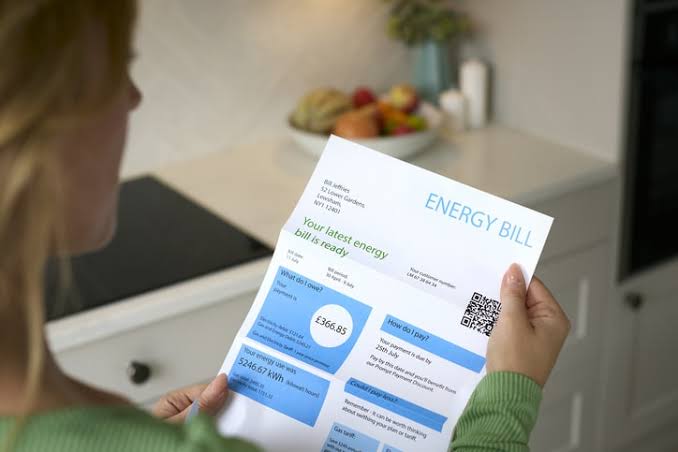
Millions of households across Britain could benefit from a new intervention designed to tackle energy debt, following the announcement of a Government-backed strategy aimed at helping struggling consumers regain control of their finances. The plan, unveiled by Ofgem on 29 October 2026, comes as concerns continue over the financial pressure facing households that accumulated unpaid gas and electricity bills during the energy crisis of 2022–24.

AD: Capeesh Restaurant
The initiative is particularly significant because it recognises that the energy crisis did not end when wholesale prices began to stabilise. For many families, the financial consequences continued long after the original price shocks, leaving them with debts that have proved difficult to clear while also meeting everyday living expenses.
Under the new strategy, the Government and energy regulator are proposing a series of measures intended to address existing debt, make repayment more manageable and prevent further arrears from accumulating. Ofgem estimates that up to 2.4 million customers could have eligible debts considered for support through the proposed Debt Relief Scheme.
The scale of the problem is considerable. Ofgem’s figures show that total household electricity and gas debt and arrears across Great Britain reached £5 billion in the second quarter of 2026. Of that amount, £2.47 billion relates to debt accumulated during the 2022–24 energy crisis, which is the period targete

AD: Oysterian Sea Food Restaurant And Bar
The Debt Relief Scheme is expected to launch in spring 2027 and will focus on customers experiencing genuine financial hardship who have little realistic prospect of repaying their historical debt. Pensioners, people receiving disability benefits and households claiming means-tested benefits are among those identified for support.
The final amount of debt that may be written off will depend on individual circumstances and customers engaging with their energy suppliers or debt advisers to establish affordable repayment arrangements.
This is an important distinction for consumers who may interpret the announcement as an automatic cancellation of outstanding bills. The Government and Ofgem have made clear that the scheme is intended to provide targeted assistance rather than a blanket write-off of energy debt. A consultation on the revised proposals is expected before implementation.
Beyond clearing historical arrears, the strategy also seeks to address some of the administrative problems that can leave households unexpectedly in debt. One area under examination is the process of moving home, when consumers can experience difficulties setting up energy accounts, receiving accurate bills or identifying responsibility for previous usage. Ofgem wants to make this process more straightforward to reduce the risk of unexpected charges and avoidable arrears.
Payment methods are another focus. The regulator is considering whether standard credit, which it describes as the most expensive payment method, should remain the default option for consumers. It is also looking at expanding Smart Pay As You Go arrangements, which allow customers to monitor their energy consumption and spending more closely.
Government analysis suggests that changes to payment methods and the home-moving process could save a typical household almost £30 by 2030, with potential annual savings increasing thereafter.
Under the Government’s proposals, around 23 million households would gain greater control over their gas costs, with approximately 60% of gas account holders expected to save an average of £45 annually through the removal of standing charges. The Government has also announced a £100 energy payment for up to 20 million households in England, with funding for similar assistance elsewhere in the UK.
For households already struggling to balance food, housing, transport and heating costs, the significance of these measures will ultimately depend on how quickly they are implemented and how accessible the support proves to be.
The proposed debt relief scheme could provide meaningful assistance to people who have spent years trying to recover from previous energy price increases, but questions remain about eligibility, the amount of debt that will actually be removed and the practical process of applying.
The £5 billion debt figure is a reminder that the financial consequences of the energy crisis remain firmly embedded in household finances. While the new strategy offers a potential route out for some of those affected, its real test will be whether it reaches the people who need it most and prevents another generation of consumers from becoming trapped in energy arrears.

AD: Heritage And Restaurant Lounge Bar