
By Samantha Jones-
Comedian Lucy Beaumont deserves considerable credit for speaking out about allegations surrounding David Walliams, particularly at a time when she fears her decision to expose information could effectively end her television career.

AD: Heritage And Restaurant Lounge Bar
Her intervention raises uncomfortable questions about the culture of silence within the entertainment industry and why those who raise concerns about powerful figures can feel more vulnerable than the people they are challenging.
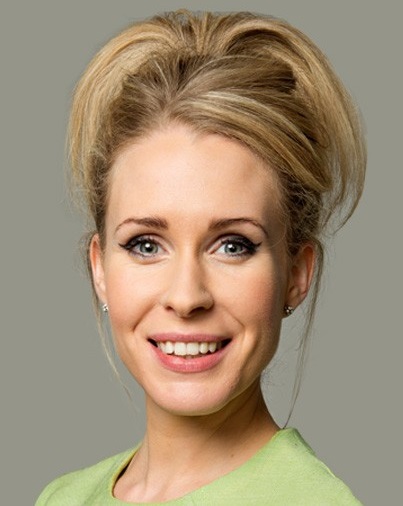
Lucy Beaumont has taken a courageous step by identifying herself as one of the whistleblowers who provided information to The Guardian and ITV News about allegations involving comedian and television personality David Walliams. Her decision deserves recognition not simply because of the seriousness of the allegations, but because she has openly acknowledged the professional consequences she fears may follow.
Appearing on Sky News, the 43-year-old comedian explained that she had been approached by a male television worker who claimed that part of his job involved taking young girls, described as being over 16, to Walliams’ dressing room. Beaumont said the information troubled her sufficiently to take action, despite not having worked with Walliams herself or personally witnessed any of the alleged behaviour.
Her account is particularly significant because it illustrates the role whistleblowers can play in bringing potentially serious concerns into the public domain. Beaumont was not claiming to have witnessed misconduct. Rather, she was explaining how information had reached her, why it caused concern and why she felt compelled to pass it to journalists capable of investigating it further.
Explaining her decision, she said: “The reason I’m speaking out about this when I know everyone I know knows this, and I don’t hear anybody talking about it.” She added that she had attempted to do as much as possible privately, including trying to contact some of the young women to establish whether they were all right. Her words suggest that her decision was not driven by a desire for publicity but by concern about the welfare of potentially vulnerable individuals.
Perhaps the most revealing part of Beaumont’s interview was her admission that she believes she may never work in television again. She said she feared that people who challenge the behaviour of influential industry figures risk being labelled troublemakers and losing professional opportunities. Her assessment deserves serious attention because it exposes a potentially damaging culture in which speaking up can carry consequences for the person raising concerns.
Beaumont said: “And honestly, I don’t think I’ll work in telly again. I honestly don’t.” She also suggested that there were plenty of other people who could do her job, joking that she might instead pursue a career as a Pilates teacher.
It is precisely this apparent imbalance of power that makes whistleblowing so important. If individuals within television believe that challenging inappropriate conduct could jeopardise their livelihoods, the consequences extend beyond individual careers. Concerns may remain unreported, vulnerable people may be left without support, and powerful personalities may continue operating without sufficient scrutiny.
A three-year joint investigation by The Guardian and ITV News brought forward allegations dating back to 2003, including claims involving women who said they were as young as 15 when they were approached by Walliams. Some women have alleged grooming and sexually inappropriate behaviour. Walliams, 55, denies wrongdoing.
Walliams has said that, looking back, he recognises that he sometimes behaved thoughtlessly towards people with whom he had casual sexual relationships and regrets not always considering their feelings properly. These remarks should not be confused with an admission to the specific allegations.
The legal battle surrounding publication also attracted considerable attention. Walliams sought an injunction to prevent the allegations from being published. The High Court rejected his attempt to prevent publication, although he was granted permission to appeal and his identity was temporarily protected. After he missed the deadline to pursue the appeal, his identity could be publicly reported.
Researcher, former teacher,a nd educator, Nadia Naz, told The Eye Of media: ”The entire saga demonstrates why investigative journalism and whistleblowing are essential components of accountability.
”Journalists cannot investigate every allegation without sources willing to provide information, explain what they know and help establish whether concerns merit further examination. Without people prepared to speak, important stories may never emerge.
”Beaumont’s intervention should definitely encourage others within the entertainment industry to consider whether they have information that could help protect vulnerable individuals. There need to be more people like her: individuals prepared to raise concerns, challenge professional cultures of silence and put the public interest ahead of their own immediate professional comfort.
However, responsibility cannot rest solely on whistleblowers. Broadcasters, production companies, talent agencies and senior executives really ought to establish environments in which people can report concerns without fearing professional retaliation.
Confidential reporting channels, independent investigations and meaningful protection for those who come forward should be fundamental expectations, not optional gestures of corporate responsibility.
It would also be wrong to assume that every allegation is automatically established simply because somebody has spoken out. Walliams is entitled to deny the claims, and the allegations then needs to be assessed fairly and responsibl, as did the media in the case of Walliams. But fairness to the accused should never become an excuse for discouraging people from reporting information that could be relevant to the protection of others.
Lucy Beaumont has acknowledged that she may pay a professional price for speaking publicly. Whether that fear materialises remains to be seen. What is already clear, however, is that her decision has brought attention to an important issue that the television industry cannot afford to ignore.
The entertainment industry should not be a place where silence is rewarded and speaking out is punished. If those with information believe that protecting their careers requires them to look the other way, the real losers may be the vulnerable people who depend on adults in positions of influence to act responsibly.
Beaumont deserves praise for recognising that remaining silent was not an option she was comfortable with. The industry needs more people willing to demonstrate that same courage, and, more importantly, institutions prepared to ensure that doing the right thing does not come at the cost of someone’s career.