
By Lucy Caulkett-
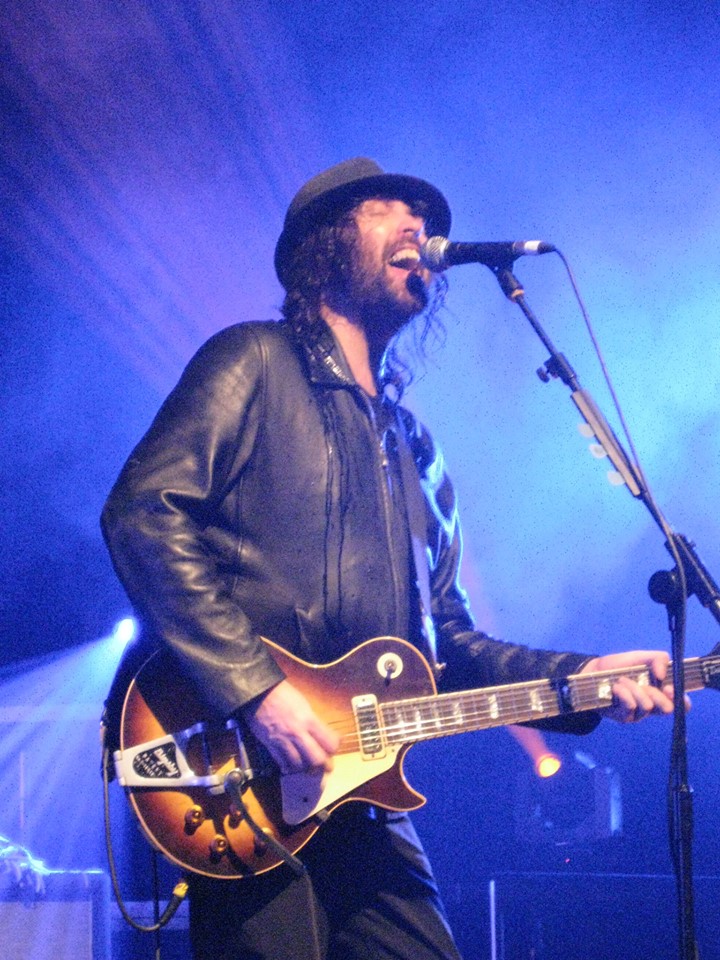
Former Icicle Works frontman Ian McNabb (pictured)has seen his planned UK concert dates cancelled after publicly defending Russell Brand following the comedian’s conviction for rape and sexual assault.
The musician’s remarks, which suggested that women who attended Brand’s social gatherings knew what they were getting into, prompted a backlash from promoters and venues, with one promoter declaring that he could no longer work with him.

AD: Capeesh Restaurant
Singer Ian McNabb, the former frontman of 1980s rock band The Icicle Works, has suffered the cancellation of his planned UK tour after expressing support for Russell Brand, who was sentenced to ten years and six months in prison following his conviction for rape and three sexual assaults.
The 66-year-old musician had been preparing to embark on a series of solo performances across the country when his comments about Brand triggered widespread criticism and prompted promoters to withdraw their support.
Several venues subsequently cancelled scheduled appearances, while promoter Ewan McNaught confirmed that shows arranged through his company, Renegade Communions, would no longer proceed. The controversy began after McNabb published comments on social media describing Brand as being “stitched up” because of his outspoken political views.

AD: Oysterian Sea Food Restaurant And Bar
He suggested that Brand’s celebrity status and public profile had made him a target, while making remarks about women who had previously spent time in the comedian’s company.
In one particularly contentious passage, McNabb claimed that women had been “throwing themselves at him every night”, before suggesting that those who later complained about their experiences had known what they were getting into. He also wrote that women who subsequently alleged they had been mistreated were among the worst offenders.
The remarks provoked anger because they appeared to place responsibility on women who had reported sexual abuse, rather than recognising the importance of consent and the circumstances in which alleged offences occur.
Critics argued that his comments reinforced damaging assumptions about sexual violence, particularly the suggestion that a woman’s decision to socialise with a celebrity could somehow diminish her right to refuse sexual activity.
The timing of the intervention also proved significant. Brand had been convicted by a jury at Southwark Crown Court on 5 November of one count of rape and three counts of sexual assault involving four women.
On 9 November, Judge Joel Bennathan sentenced the ow convicted rapist to ten years and six months’ imprisonment. The judge described Brand as a sexual predator, criticising what he characterised as his ‘arrogance’ and ‘disregard’ for the rights of the women involved.
Brand was acquitted of two other rape charges and attempted indecent assault. He had denied the charges against him. The convictions, however, meant that McNabb’s public defence of the comedian came against the background of a completed criminal trial rather than allegations alone. The court had heard evidence from the women, whose victim impact statements described the lasting consequences of the offences.
Promoter McNaught responded by announcing that he would no longer work with McNabb. In a statement explaining the decision, he said he hated cancelling performances but could not defend what he described as the singer’s disgraceful comments. Referring to his position as a husband and father of a young daughter, he said: “I simply can’t work with him moving forward.”
McNaught confirmed that McNabb’s scheduled performances at The Cluny 2 in Newcastle on 25 November, Cottiers in Glasgow on 26 November and The Voodoo Rooms in Edinburgh on 27 November had been cancelled. He also indicated that the cancellations would extend beyond those three venues, saying he had been informed that another five shows had been called off.
Importantly, the promoter said the decision had not been taken unilaterally. He had consulted McNabb’s agent and the venues, adding that there was broad agreement that the performances should not go ahead under the circumstances. Ticket holders were advised to seek refunds from their original points of purchase.
The repercussions extended beyond the Scottish dates. The Green Hotel in Kinross also cancelled McNabb’s scheduled performance, with organiser David Mundell explaining to The Courier: “I don’t agree with Ian McNabb’s views on Russell Brand therefore I have cancelled the show.” The Grand theatre in Clitheroe subsequently confirmed the cancellation of McNabb’s planned performances there in May 2027.
Faced with the growing backlash, McNabb removed his original comments and issued a follow-up statement attempting to explain his position. He said he had not intended to offend people who had experienced sexual abuse and acknowledged the upset caused by his remarks.
He also maintained that he believed Brand had been treated unfairly, while insisting that he condemned non-consensual sexual activity and predatory behaviour towards women.
In a further expression of frustration, McNabb described himself as having been cancelled and apologised to ticket holders who had been left disappointed. He said he would enter a period of self-reflection and contemplation, while thanking supporters who had remained loyal to him throughout his musical career.
His explanation did little to reverse the decisions already taken by promoters and venues. The cancellation of the performances illustrates the extent to which public statements made by musicians can have consequences beyond online criticism, particularly when commercial partners believe those statements conflict with their own values or the expectations of their audiences.
McNabb’s case also brings to the fore, the boundaries of freedom of expression and the rights of promoters to determine which performers appear at their venues. There is no suggestion that expressing support for Brand constitutes a criminal offence. Equally, freedom of expression does not oblige concert organisers, ticketing companies or venue owners to provide commercial platforms to individuals whose public statements they find unacceptable.
For the music industry, the controversy presents a difficult but increasingly familiar question: should an artist’s professional opportunities be separated entirely from their publicly expressed views, or should promoters be entitled to consider the potential impact of those views on audiences, particularly survivors of sexual violence?
The dispute is especially sensitive given the seriousness of the criminal proceedings against Brand and the experiences described by the women who gave evidence at his trial. The issue is not simply whether McNabb was entitled to express an opinion about the comedian, but whether his characterisation of the women who reported offences demonstrated an understanding of consent and the realities of sexual abuse.
For the former Icicle Works frontman, the immediate consequence has been the loss of multiple performance opportunities and the disappointment of fans who had already purchased tickets. For promoters, the decision has been presented as a matter of personal and professional principle.
What began as a social media intervention has therefore developed into a substantial commercial setback for a musician whose career dates back to the 1980s. McNabb has apologised for the upset caused, but the cancellations demonstrate that public support for a controversial figure can carry consequences well beyond the original post.

AD: Heritage And Restaurant Lounge Bar