
By Kenneth Williams-
The widening conflict between the United States and Iran reached another dangerous moment as Washington announced the death of another American service member, while Israel warned that Iranian attacks were moving closer to its territory. The latest casualty added pressure on U.S. leaders as military operations intensified and fears grew that the confrontation could spread further across the region.
The death came as U.S. forces continued strikes against Iranian targets following attacks that killed American personnel. The Pentagon said the latest escalation was part of a broader effort to respond to threats against U.S. troops and reduce Iran’s ability to launch further attacks.

AD: Capeesh Restaurant
Families of American service members deployed in the region, the announcement represented another painful reminder of the risks facing troops caught in a rapidly changing battlefield. The conflict, which has already involved missile exchanges, drone attacks and strikes on military infrastructure, has created uncertainty for thousands of personnel stationed across the Middle East.
The situation became increasingly tense as Iran expanded its retaliation beyond direct confrontation with U.S. forces. Iranian missiles and drones targeted locations connected to American allies, raising concerns that countries across the region could become drawn deeper into the conflict. Jordan and other U.S. partners have faced growing security concerns as Iranian attacks moved closer to their borders.
Israel, meanwhile, warned that Tehran’s attacks were approaching closer to Israeli territory, increasing fears of a broader regional confrontation. Israeli officials have continued monitoring Iranian missile and drone activity while preparing for possible escalation. The developments have placed additional strain on diplomatic efforts aimed at preventing the conflict from expanding.

AD: Oysterian Sea Food Restaurant And Bar
The United States has responded with additional military action, targeting Iranian military capabilities including missile-related facilities, air defenses and Revolutionary Guard infrastructure. American officials have described the strikes as necessary measures to protect the U.S.
Within the battlefield, the conflict has created uncertainty far beyond the Middle East. The Strait of Hormuz, one of the world’s most important energy shipping routes, has become a central concern as tensions between Washington and Tehran continue. Any prolonged disruption in the waterway could affect global oil markets and increase economic pressure on countries dependent on energy imports.
The strategic importance of the strait has made it one of the most closely watched locations during the crisis. The narrow passage connects the Persian Gulf with international waters and carries a significant portion of global energy shipments. Military activity in the area has raised concerns among shipping companies and governments about the safety of commercial vessels. Iran has argued that its actions are a response to U.S. military operations, while Washington has accused Tehran of threatening regional stability and targeting American forces. The competing claims have deepened an already complex conflict involving military, political and economic interests.
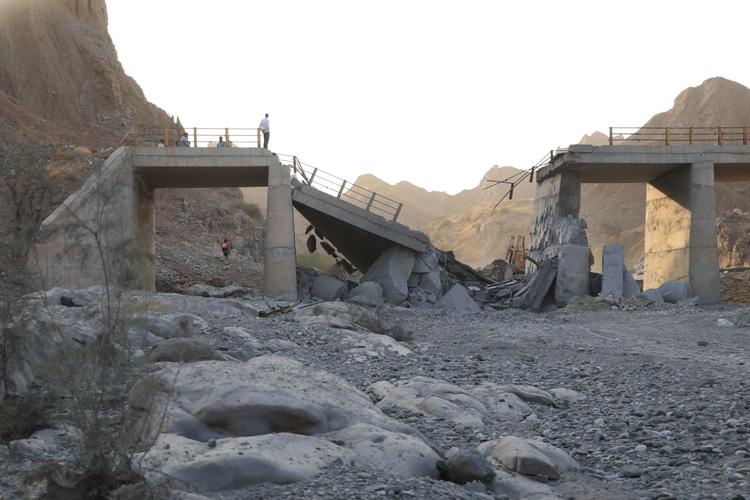
The human cost of the conflict has continued to rise. American troops, Iranian personnel and civilians across the region have faced the consequences of escalating attacks. Infrastructure damage has affected communities, with reports of strikes impacting military sites as well as facilities important to daily life. The latest developments have revived concerns about fighting on multiple fronts with Israel. Officials have warned that Iran’s ability to launch long-range attacks remains a serious threat, while neighbouring countries have attempted to protect their own populations from being pulled into the conflict.
The United States now faces difficult choices about how far to expand its military response. While officials have emphasised that the goal is to protect American forces and prevent further attacks, every additional operation carries the risk of creating new consequences.
The death of another service member has increased political pressure on Washington to respond while also raising questions about the long-term strategy behind the campaign. Diplomatic options remained uncertain as tensions continued to rise and international efforts focused on preventing the conflict from expanding further.
Officials urged all parties to exercise maximum restraint, warning that continued escalation could create serious consequences for civilians, regional security and the wider global community. The UN called for renewed efforts toward dialogue and diplomacy, emphasising that a broader conflict would carry devastating humanitarian and political costs.
The conflict enters another critical phase, the announcement of another American troop death has become more than a military statistic. It represents the growing human cost of a confrontation that shows few signs of slowing. Communities across the Middle East, the fear is that each new attack could bring the region closer to a wider conflict. With governments in Washington, Tehran and Jerusalem, the challenge is balancing military objectives with the urgent need to prevent further escalation.
The coming days may determine whether the crisis moves toward negotiations or deeper confrontation. Another fallen service member stands as a reminder of the risks facing those on the front lines and the fragile security situation facing an entire region. The death of another American troop has added a deeply personal dimension to a conflict often described through military operations, political statements and strategic calculations.
Behind every announcement of a casualty is a family, a community and a network of fellow service members facing the consequences of decisions made far beyond the battlefield. The human cost of the confrontation continues to grow as military personnel remain exposed to the dangers of missile attacks, drone strikes and escalating hostilities.
Uncertainty has become a daily reality. Communities near military targets and strategic locations are living with the fear that further retaliation could bring additional destruction. The possibility of a wider conflict has raised concerns among governments and humanitarian organisations, which continue to call for protection of civilian populations and renewed diplomatic efforts.
The choices made by leaders in Washington, Tehran and Jerusalem in the coming days could shape the direction of the crisis for months or even years. A return to negotiations could create an opportunity to reduce tensions and prevent further loss of life, while continued military escalation risks drawing more countries into a conflict with consequences beyond the region.
International officials push for restraint, the situation remains balanced between diplomacy and confrontation. The latest troop death serves as a stark reminder that every military decision carries human consequences.

AD: Heritage And Restaurant Lounge Bar