
By Kenneth Williams-
A fragile pause between the United States and Iran is facing its most serious challenge yet after both sides exchanged a new wave of attacks across the Middle East, raising fears that a deal designed to halt the conflict could collapse completely.
What had been presented as a possible turning point toward diplomacy has instead become another moment of uncertainty, with military strikes, retaliatory attacks and renewed accusations threatening to push the region back toward a wider confrontation.

AD: Capeesh Restaurant
The latest escalation has shattered hopes that the ceasefire could provide a pathway toward longer-term negotiations. The United States launched fresh strikes against Iranian targets, while Iran and allied forces responded with attacks on American-linked positions and regional partners, creating a new cycle of retaliation that has placed the agreement under intense pressure.
The renewed violence has raised concerns among diplomats and international observers who hoped the temporary ceasefire would create enough stability for political discussions to begin, but the latest exchange of attacks has made the possibility of sustained negotiations increasingly uncertain. The violence comes after weeks of growing pressure surrounding the ceasefire arrangement, with Washington and Tehran repeatedly accusing each other of breaching the agreement.
According to reports, both sides have defended their actions as responses to attacks from the opposing side, with the United States arguing that its strikes were carried out to protect its interests and Iran claiming it was responding to American aggression.

AD: Oysterian Sea Food Restaurant And Bar
The continued exchange of accusations and retaliatory strikes has weakened confidence in the ceasefire, raising fears that the temporary pause could collapse and that diplomatic efforts to prevent a wider regional conflict may become increasingly difficult.
Civilians across the region, the renewed fighting has brought fresh uncertainty. Communities that had hoped the ceasefire would reduce the threat of missile attacks and military operations are once again facing fears of escalation. The possibility of a broader conflict involving neighbouring countries has become one of the central concerns as attacks spread beyond the immediate U.S.-Iran confrontation.
The ceasefire was intended to create breathing space after a prolonged period of military confrontation between Washington and Tehran, providing an opportunity for negotiations while reducing the immediate risk of further escalation.
However, the agreement remained a temporary pause rather than a complete resolution, with major disputes over security, Iran’s nuclear programme and regional influence still unresolved. Tensions continued, maintaining the ceasefire became increasingly difficult, with both sides facing pressure from military forces and regional partners whose actions threatened to undermine diplomatic efforts.
According to reports, the latest U.S. strikes targeted Iranian military infrastructure, while Tehran responded with missile and drone attacks against locations linked to American forces and allies.
The exchange represented one of the largest flare-ups since the ceasefire was announced, increasing pressure on diplomatic efforts to prevent a return to full-scale conflict. American officials have argued that the strikes were necessary to respond to Iranian actions and protect U.S. interests in the region.
Iran, however, has accused Washington of undermining the agreement and escalating tensions through continued military operations. The competing narratives have created a deep divide over who is responsible for the collapse in trust. The situation has also raised concerns about regional security. Attacks involving countries such as Bahrain, Kuwait, Qatar and Jordan have demonstrated how quickly a direct confrontation between the United States and Iran can affect neighbouring states.
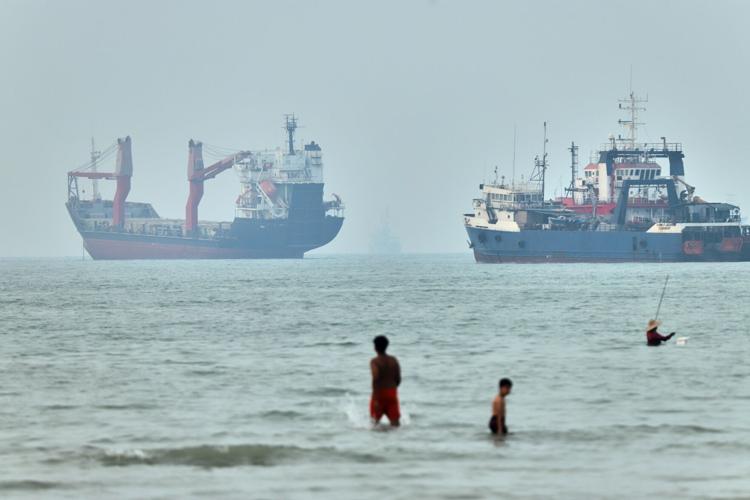
Governments across the Middle East have urged restraint, fearing that further escalation could destabilise an already tense region. The Strait of Hormuz has become another major concern as the latest U.S.-Iran escalation threatens one of the world’s most important energy routes. The narrow waterway has been at the centre of the crisis after attacks on commercial vessels and renewed military strikes raised fears over the safety of shipping through the Gulf.
That tanker movements through the strait had been severely disrupted as tensions increased, with the breakdown of the ceasefire creating fresh uncertainty for global energy markets. Any prolonged disruption to traffic through Hormuz could have consequences far beyond the Middle East, putting pressure on oil prices, international trade routes and economies that rely on stable energy supplies.
Diplomats attempting to preserve the ceasefire, the challenge is becoming increasingly difficult. Every new attack creates political pressure for retaliation, while every retaliatory strike makes future negotiations harder to achieve.
Despite the growing military confrontation, officials on both sides have continued to signal that diplomacy remains possible. International mediators have attempted to prevent the collapse of talks, warning that the alternative could be a prolonged conflict with unpredictable consequences.
The United States has maintained that it does not want an unlimited war but has also warned Iran against further attacks. Iran, meanwhile, has shown little willingness to accept pressure without guarantees that its security concerns and political demands will be addressed.
The challenge for negotiators is that ceasefires depend not only on official agreements but also on trust. After each new strike, confidence between the two sides weakens further. The political space required for compromise becomes smaller as leaders face pressure from domestic audiences demanding stronger responses.
Regional allies are also watching closely. Countries that host American military facilities or maintain relationships with Washington and Tehran face difficult decisions about how to respond. Many governments fear being drawn into a conflict that could quickly expand beyond the original confrontation. The economic consequences are already being closely monitored. Energy markets remain sensitive to developments around the Gulf, while businesses and governments are assessing the potential impact of further instability. A prolonged crisis could affect shipping costs, oil supplies and international investment.
The U.S.-Iran confrontation has entered another critical phase, where decisions made in government offices and military command centres could shape the future stability of the Middle East. The ceasefire has not yet disappeared, but it is under its greatest pressure since it began.

AD: Heritage And Restaurant Lounge Bar