
By Tim Parsons-
Manchester United have taken another decisive step toward one of the most ambitious infrastructure projects in football history, unveiling fresh details about the club’s proposed new stadium that is set to replace the iconic Old Trafford.
The latest plans provide supporters with a clearer picture of where the 100,000-seat venue will stand, how it will fit into a wider regeneration project, and why club executives believe the move is essential to restoring Manchester United’s position among football’s elite.

AD: Capeesh Restaurant
The announcement represents far more than a change of address. A club whose identity has been intertwined with Old Trafford for more than a century, the proposed development signals the beginning of a new era one that aims to combine modern engineering with the traditions that have defined generations of supporters.
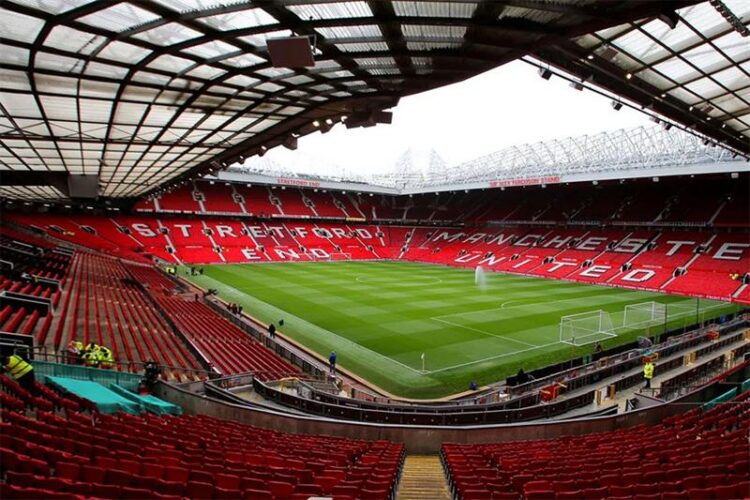
According to the latest proposal, the new stadium will be built approximately 350 metres northwest of the existing Old Trafford, allowing Manchester United to continue playing at their historic home while construction takes place. Once completed, the venue is expected to become the largest football stadium in the United Kingdom with a capacity of around 100,000 spectators, surpassing Wembley as the country’s biggest football arena.
The club’s latest update follows the successful acquisition of most of the land required for construction after reaching agreements with property owners surrounding the proposed site. Club officials described the land purchase as one of the most significant milestones since plans for the new stadium were first introduced, bringing the project closer to becoming reality.

AD: Oysterian Sea Food Restaurant And Bar
Manchester United executives insist the project is not simply about replacing an ageing stadium but about creating an entirely new sporting district capable of transforming the surrounding Trafford area. The wider regeneration proposal includes around 15,000 new homes, improved transport links, commercial developments, public spaces and approximately 48,000 new jobs, with officials estimating the project could contribute £7.3 billion annually to the UK economy while driving long-term growth across Greater Manchester.
The project has been championed by Manchester United minority owner Sir Jim Ratcliffe, who believes the proposed new stadium can become the centrepiece of a wider transformation of the Old Trafford area. Recent reports highlight that the £2bn stadium development is being positioned as the anchor for a major regeneration programme across Trafford Wharfside, with the new ground expected to drive investment, create new neighbourhoods and unlock wider economic opportunities.
The scheme, which includes a 100,000-capacity stadium designed by Foster + Partners, forms part of a broader vision to transform more than 300 acres around Old Trafford into a sports-led destination featuring housing, commercial space, public areas and improved connectivity.
It reported that the regeneration could deliver thousands of homes and generate significant economic benefits, while Manchester United has described the stadium as a catalyst for long-term social and economic renewal in the area The decision to pursue a completely new stadium instead of renovating Old Trafford followed months of consultation involving supporters, architects, engineers and local authorities.
Although redevelopment of the existing ground remained an option, structural limitations including the railway line behind the Sir Bobby Charlton Stand and long-standing maintenance concerns made a complete rebuild the preferred solution. The ageing stadium has attracted criticism in recent years after repeated roof leaks and drainage issues highlighted the need for substantial investment.
Despite the excitement surrounding the ambitious proposal, financing remains one of the project’s biggest talking points. Manchester United’s planned 100,000-seat stadium is expected to cost around £2 billion, although the final figure could shift as the design process develops and construction plans become more detailed.
Recent reports highlighted that club executives are assessing different funding strategies, including potential borrowing and investment options, while insisting the project is a long-term commitment rather than a short-term luxury expense.United are prepared to consider taking on additional debt to help fund the development, with commercial opportunities such as naming rights also forming part of the wider financial discussion.
The club has secured the majority of the land required for the stadium project but that detailed financing arrangements are still being finalised as United moves closer to the construction phase.Manchester United’s leadership has sought to reassure supporters that the project is being approached with financial discipline despite concerns surrounding the club’s existing debt and the wider costs associated with delivering one of the largest stadium developments in world football.
The proposed new ground represents a major financial commitment, but club officials have repeatedly argued that the investment is designed to secure Manchester United’s long-term future rather than create additional pressure on the organisation. Stadium project chief executive Collette Roche recently stressed that the development is “not a vanity project,” insisting that the new venue is intended to provide practical benefits for the club, its supporters and the surrounding community.
The importance of creating a modern stadium capable of generating increased commercial revenue, improving facilities for fans and ensuring Manchester United can compete financially with Europe’s biggest clubs in the decades ahead. The club believes a new stadium could significantly improve matchday income through increased capacity, premium hospitality areas, upgraded fan experiences and expanded commercial opportunities.
While Old Trafford remains one of football’s most recognisable stadiums, United executives have acknowledged that parts of the historic ground no longer meet the standards expected of a global sporting venue. A new stadium would allow the club to introduce modern facilities while creating additional revenue streams that are difficult to achieve through renovation alone.
However, the financial challenge remains one of the biggest issues surrounding the project. Manchester United’s ownership has faced scrutiny over the club’s existing debt levels, with some supporters questioning whether billions of pounds should be committed to infrastructure while investment is also required in the playing squad and football operations.
Club officials have attempted to address those concerns by arguing that the stadium should be viewed as a revenue-generating asset rather than simply an expense. Several funding routes are reportedly being explored as United prepares for the next stage of development. These could include traditional debt financing, private investment, equity contributions and commercial agreements with major partners. Naming rights for the stadium have also been discussed as a potential source of income, although no final decisions have been confirmed.
The club’s financial strategy will likely remain under close examination as plans progress. Supporters are eager to see a world-class stadium become reality, but many will also expect transparency over how the project is funded and how costs are managed. With Manchester United, the challenge is balancing ambition with responsibility creating a landmark venue that strengthens the club’s global position without compromising its financial stability.

AD: Heritage And Restaurant Lounge Bar